Now Reading: Best Data Analytics Tools and Software (for Modern Businesses)
-
01
Best Data Analytics Tools and Software (for Modern Businesses)

Overview: The Modern Analytics Landscape
In today’s data-driven economy, modern businesses rely on an integrated toolkit that spans data capture, transformation, analysis, and storytelling. The best analytics software blends user-friendly dashboards with robust data engineering capabilities, enabling both business users and data scientists to collaborate on actionable insights. This evolving landscape emphasizes not only the raw power of computation but also governance, security, and scalability—features that are essential as organizations grow in size and complexity.
Choosing the right mix of tools involves balancing three core considerations: how quickly you can derive insights, how well your data stays governed and trusted, and how your technology stack aligns with existing cloud or on-premises infrastructure. A well-constructed stack reduces data silos, accelerates decision cycles, and supports cross-functional teams—from executives monitoring KPIs to data engineers building reliable data pipelines and analysts exploring ad hoc questions.
Business Intelligence and Dashboards
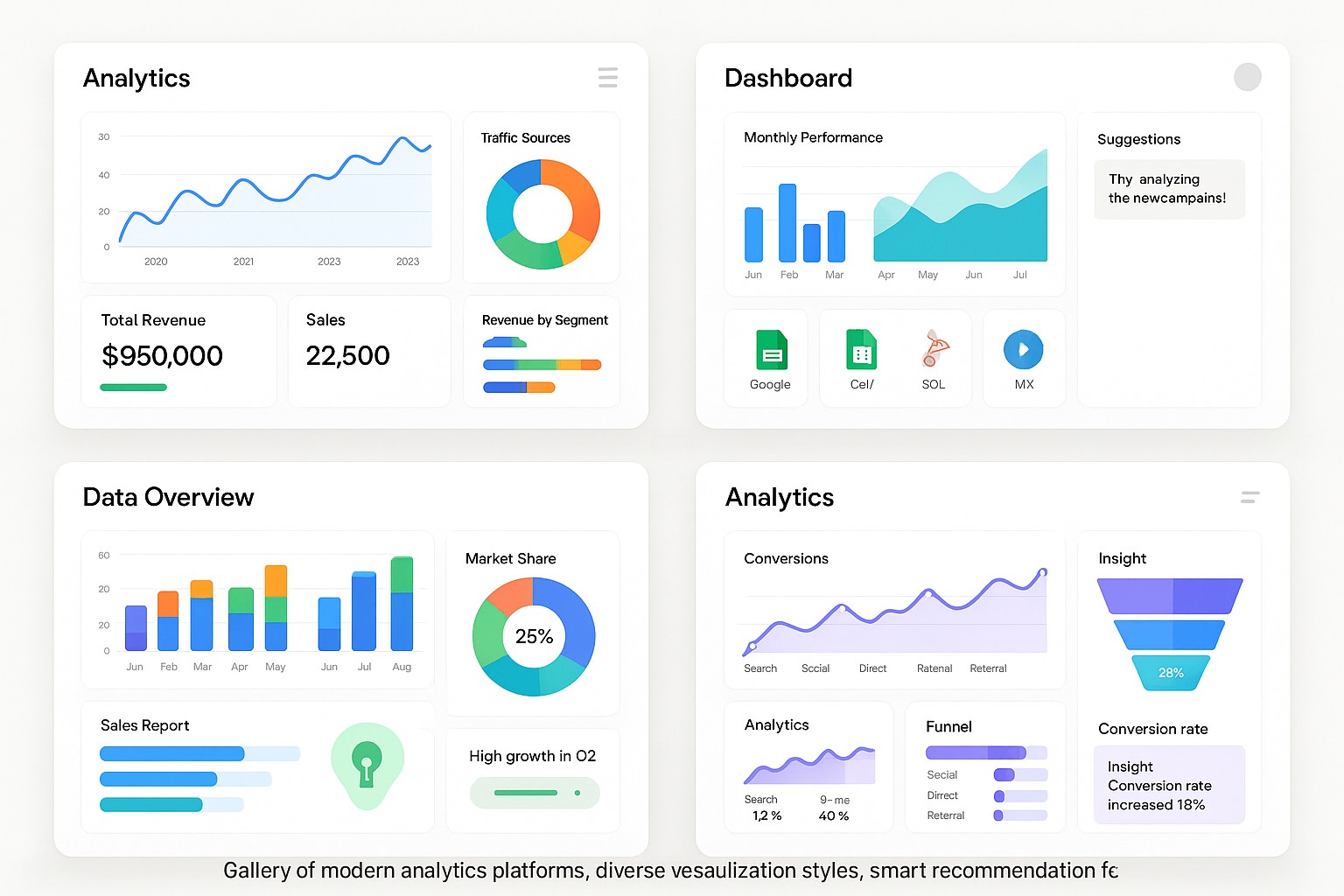
Business intelligence (BI) and dashboard platforms are the frontline of data-driven decision making. They translate complex data into intuitive visuals and interactive reports, allowing stakeholders to monitor performance, spot anomalies, and explore what-if scenarios. An effective BI stack integrates seamlessly with data warehouses and cloud storage, while offering governance controls that protect data accuracy and security across departments.
When evaluating BI tools, consider capabilities such as data connectivity, drag-and-drop analytics, collaboration features, and scalability for enterprise-wide adoption. The tools listed below represent a mix of market leadership and innovation, chosen for their balance of ease of use and depth of analytics.
- Tableau — renowned for rich visual design, strong ecosystem of connectors, and enterprise-grade governance.
- Microsoft Power BI — cost-effective, deeply integrated with Microsoft 365 and Azure, with strong data modeling features.
- Qlik Sense — associative data model that supports flexible exploration and scalable deployment.
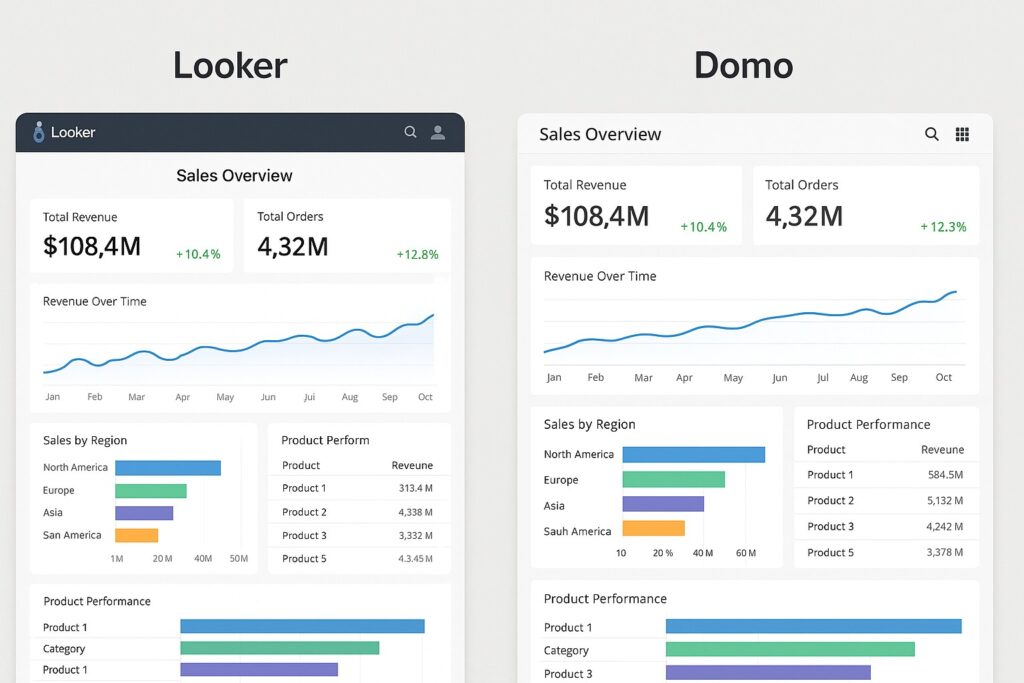
- Looker (Looker Studio) — model-driven analytics with centralized governance and strong embedding capabilities.
- Domo — combines BI with collaborative features and a broad library of connectors for rapid deployment.
- Sisense — software that emphasizes scalable analytics with a strong emphasis on data preparation and modeling.
Data Integration, ETL, and Data Preparation
Reliable analytics starts with clean, well-governed data deliveries. Data integration and ETL (or ELT) platforms automate the extraction, cleansing, transformation, and movement of data across systems, reducing manual handoffs and latency. A modern data pipeline should be reliable, observability-supported, and capable of handling cloud-scale workloads while offering governance and lineage to track data from source to dashboard.
The following table outlines representative tools that cover a range of deployment models, connector breadth, and maintenance requirements. Use this as a starting point to map your data flows and ensure alignment with your data governance standards.
| Tool | Focus | Typical Use | Strength |
|---|---|---|---|
| Fivetran | Automated data integration | Cloud data warehouses; zero-maintenance pipelines | Broad connector coverage; secure, managed pipelines |
| Talend | ETL/ELT and data quality | Hybrid environments; on-prem and cloud | Open-source options; strong data quality governance |
| Stitch | ELT data movement | Lightweight data integration; quick starts | Affordability and simplicity; easy to deploy |
| Informatica | Enterprise data integration | Large-scale data migrations and governance | Breadth of connectors; robust metadata and lineage |
Data Science, Machine Learning, and AI Platforms
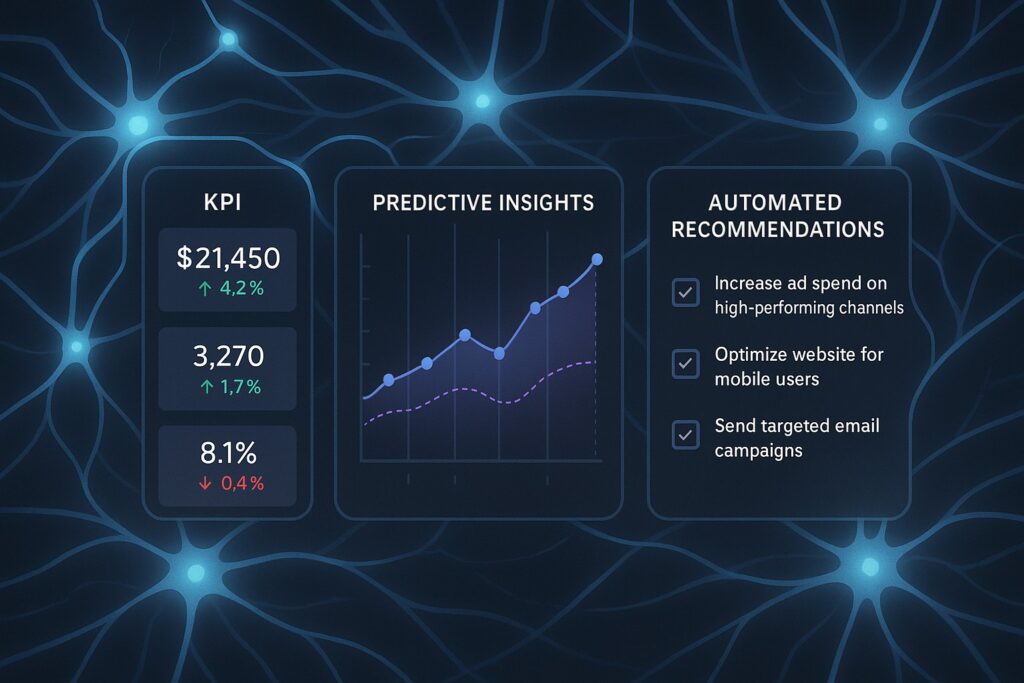
Advanced analytics and predictive modeling require platforms that blend collaborative workspaces with scalable compute. A well-chosen data science stack accelerates experimentation while enforcing governance, reproducibility, and security. The landscape includes managed notebooks, automated ML, and scalable distributed processing, enabling both data scientists and citizen analysts to contribute meaningfully to outcomes.
In practice, organizations often pair data science platforms with their data warehouse and BI layer to enable end-to-end analytics—from data exploration to production models. The items below represent a spectrum of capabilities, from hosted experimentation environments to fully managed, end-to-end platforms that support large teams and complex workflows.
- Databricks — unified analytics platform combining data engineering, collaborative notebooks, and ML workflows on a lakehouse.
- Dataiku — collaborative data science and ML platform that emphasizes cross-functional workflows and governance.
- SAS Viya — scalable analytics suite with broad algorithm coverage, integrated deployment options, and governance features.
- Google Vertex AI — managed ML platform that integrates with data infrastructure for training, evaluation, and deployment.
- H2O.ai — open-source and commercial AI platforms focused on scalable ML and automated modeling.
Cloud Data Storage, Warehousing, and Lakehouse Architecture
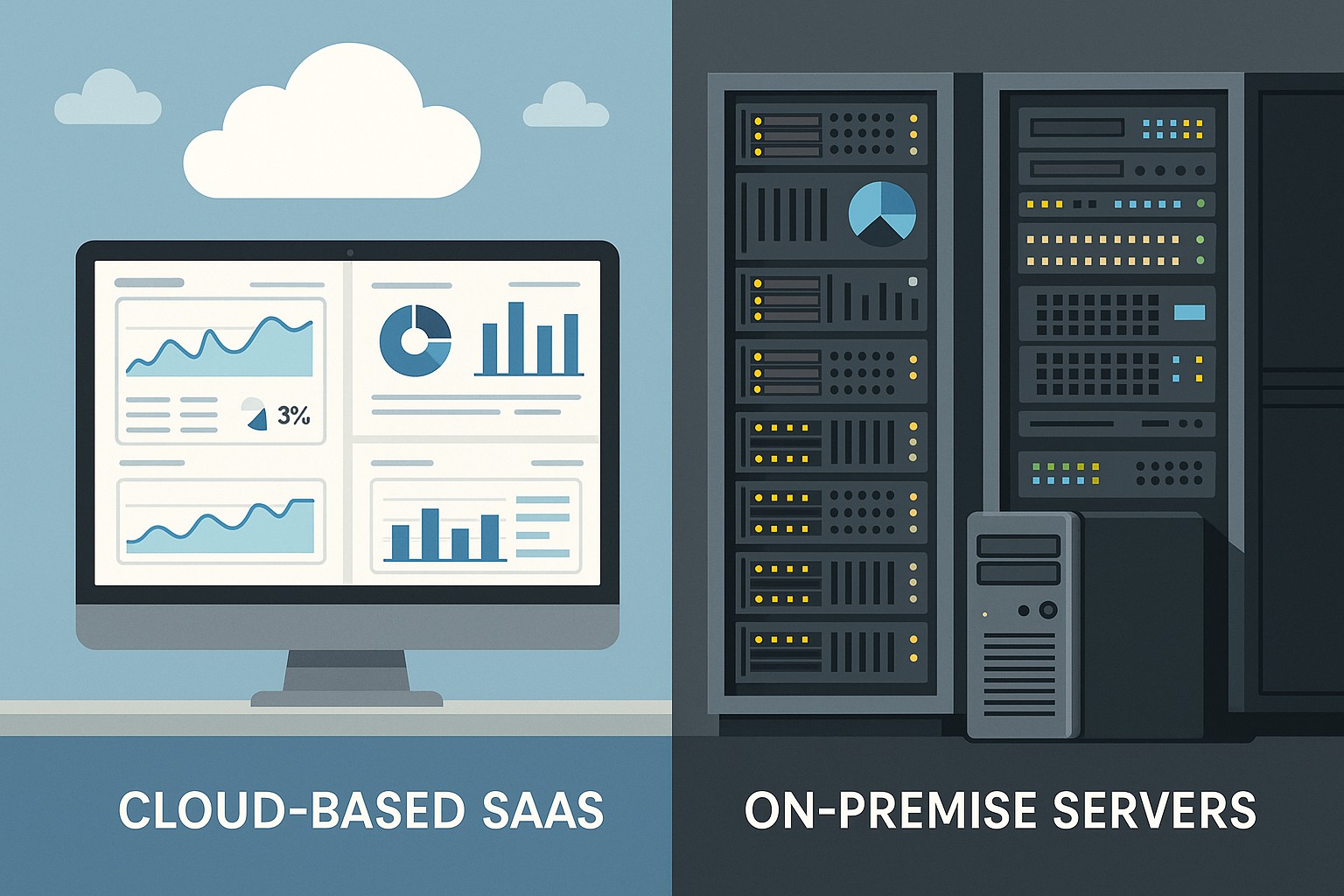
Modern analytics relies on cloud-native storage that scales with demand while offering fast query performance, robust security, and global availability. Data warehouses and lakehouse architectures unify storage and compute to support interactive dashboards, machine learning, and real-time analytics. As organizations consolidate disparate data sources, choosing the right storage strategy becomes a strategic decision that affects cost, latency, and governance.
Leading cloud offerings provide strong performance, integration, and ecosystem compatibility. When selecting a data storage solution, evaluate factors such as data freshness, SQL compatibility, elasticity, security controls, and cost models. The major options in the market today enable organizations to build resilient data platforms that support both operational reporting and advanced analytics.
Data Visualization, Exploration, and Storytelling
Beyond raw data, storytelling with visual analytics is how insights translate into action. Visualization tools empower users to explore hypotheses quickly, discover trends, and communicate findings to stakeholders with clarity. A successful visualization strategy balances flexibility for analysts with standardized visuals and governance to preserve consistency across the organization.
Open-ended exploration should be complemented by disciplined dashboards and dashboards-driven governance to ensure that insights remain accurate and reproducible. As teams mature, they often adopt a dual approach: interactive dashboards for routine monitoring and ad hoc exploration environments for deeper discovery. The following open-source and lightweight visualization options provide a rich set of capabilities without heavy licensing burdens.
- Apache Superset — flexible, open-source BI platform with SQL-based exploration and rich visualization options.
- Metabase — user-friendly, open-source BI tool designed for rapid deployment and simple queries.
- Redash — lightweight data visualization and query editor for collaboration across data teams.
- Grafana — specializes in time-series dashboards with extensive plug-ins for monitoring and observability.
Strategy, Governance, and Platform Selection
Successful analytics requires more than technology alone. Strategy and governance programs ensure data quality, lineage, access controls, and compliance across the organization. A well-defined governance model reduces risk while enabling experimentation and speed. Aligning your analytics stack with business objectives helps ensure that data initiatives support measurable outcomes rather than isolated experiments.
Consider your organization’s maturity, regulatory constraints, and the needs of various stakeholders—from executives tracking strategic metrics to analysts performing deep-dive investigations. A phased approach—starting with essential dashboards, adding automated data pipelines, and finally expanding into advanced analytics—often yields the best long-term impact. Investment should also reflect a plan for skills development, change management, and ongoing measurement of analytics ROI.
FAQ
What is the difference between BI tools and data analytics platforms?
BI tools primarily focus on translating data into dashboards, reports, and visual insights for business users, with emphasis on accessibility, collaboration, and governance. Data analytics platforms encompass a broader set of capabilities, including data engineering, data science workflows, machine learning, and advanced modeling. In practice, many modern stacks blend both worlds, enabling governance and scale while supporting exploratory analytics and predictive insights.
How do I choose the right data analytics tool stack for a small business?
Start with a use-case-driven approach: identify the top three decisions you want to improve, the data sources involved, and the required speed of insight. Prioritize tools that integrate easily with your current systems, offer affordable onboarding, and provide scalable options as you grow. Consider a phased rollout: establish essential BI dashboards, implement automated data pipelines for key data sources, and gradually introduce advanced analytics as your team gains proficiency.
Are open-source analytics tools suitable for enterprise deployments?
Open-source analytics tools can be highly scalable and cost-effective, with strong community support and flexibility. For enterprises, the key considerations are governance, security, support, and the ability to integrate with existing data pipelines. Many organizations adopt a hybrid approach, using open-source options for experimentation and internal governance layers, while leveraging commercial offerings for enterprise support and advanced features.
How can I ensure data governance while using multiple analytics tools?
Establish a centralized data governance framework that defines data ownership, lineage, access controls, and quality metrics. Implement cataloging and metadata management to track data sources and transformations across tools. Enforce role-based access, auditing, and data retention policies, and standardize definitions for key metrics to ensure consistency across BI, analytics, and reporting.
What is the typical ROI when adopting analytics tools?
ROI varies by industry, scope, and adoption rate, but common indicators include faster decision cycles, reduced time to insight, improved data accuracy, and the ability to identify opportunities or risks earlier. A well-executed analytics program can lead to measurable gains in revenue, cost savings, and customer satisfaction, particularly when analytics insights are embedded into daily workflows and business processes.