Now Reading: Building a Fantasy Sports Application: Key Steps and Features
-
01
Building a Fantasy Sports Application: Key Steps and Features

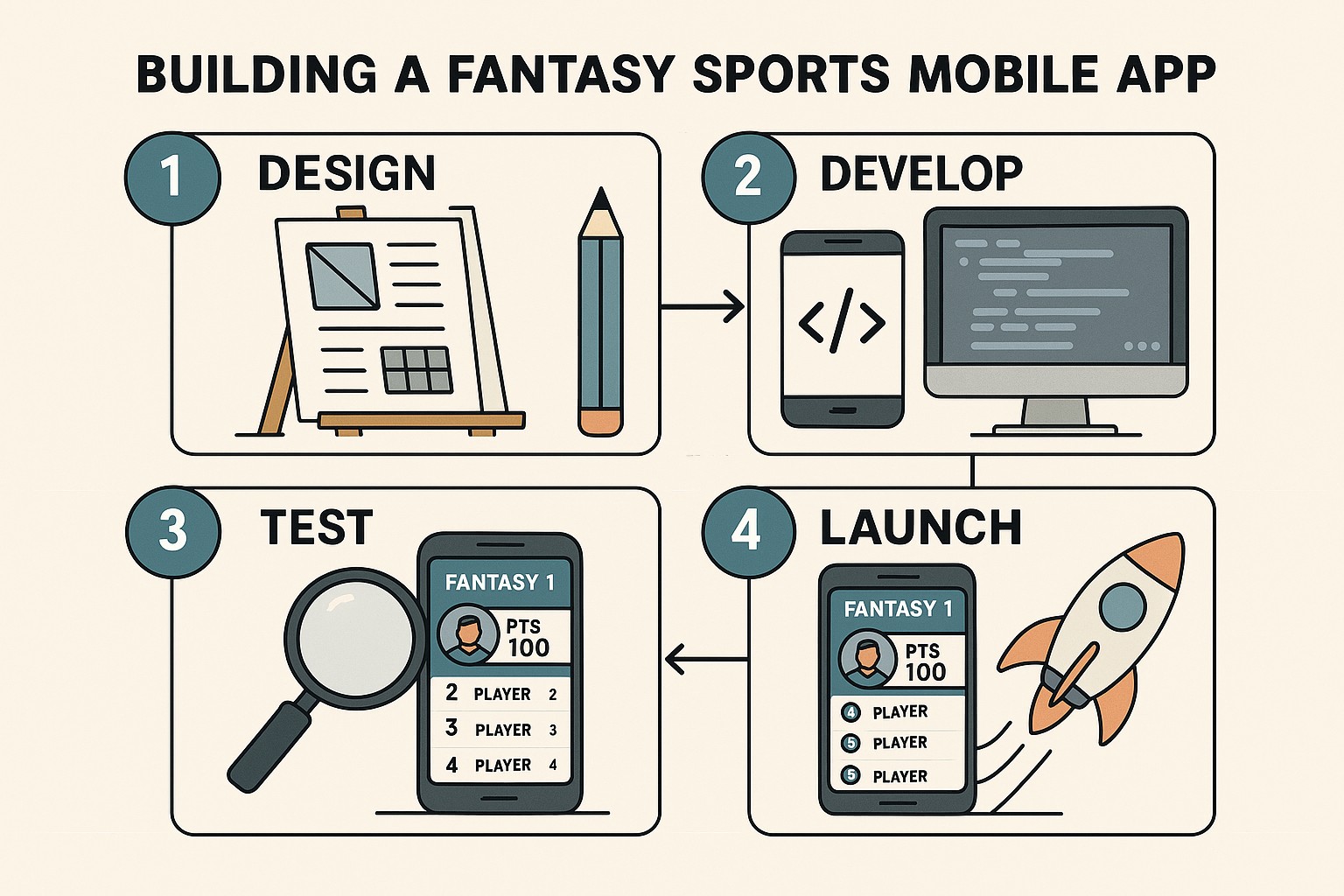
Market and Opportunity
The fantasy sports sector continues to surge as fans demand richer, more personalized ways to translate their sports knowledge into competitive experiences. Mobile adoption, faster data feeds, and immersive UX have unlocked higher engagement, particularly during peak seasons and major tournaments. Consumers are not only looking for simple lineups; they want dynamic scoring, real-time updates, social competition, and transparent rules that mirror the ethos of their favorite leagues. For operators, this translates into a sizable addressable market across regions with rising internet penetration and a growing appetite for gamified sports experiences. A well-executed platform can capture both casual players seeking entertainment and serious enthusiasts who crave depth in drafting, analytics, and team management.
Regulatory and privacy considerations are increasingly central to product strategy. Fantasy sports platforms must navigate jurisdictional distinctions around skill versus chance classifications, data usage policies, and player protection rules. Compliance is not a checkbox but a core design principle that affects architecture, data retention, access controls, and user consent flows. As markets differ in legal treatment, a global-ready strategy should emphasize modular feature flags, regional data stores, and auditable event logs. Additionally, success hinges on trust: transparent scoring rules, unbiased matchmaking, robust fraud detection, and clear communications around terms of service and privacy practices. These factors shape the go-to-market plan and long-term viability of a fantasy sports application.
Product Strategy and Planning
A disciplined product strategy anchors a complex fantasy sports product in measurable outcomes. Start with a clearly defined MVP that prioritizes core drafting mechanics, league creation, live scoring, and user onboarding. Establish success metrics such as daily active users, retention by cohort, average revenue per user, and the frequency of in-app transactions. Align stakeholders across product, engineering, data, and marketing to ensure that the initial scope supports a scalable path to feature expansion. A phased roadmap helps balance speed to market with architectural integrity, reducing the risk of brittle functionality that can’t adapt to evolving user expectations.
To create a resilient product, map representative user journeys from signup to weekly engagement. Identify chokepoints, such as onboarding friction, latency during live scoring, or confusing scoring rules, and design mitigations before they become critical issues. Establish a data-informed backlog with clear acceptance criteria, success criteria for each feature, and explicit ownership. From a monetization perspective, outline early experiments around premium features, sponsorships, and tiered leagues that reward different levels of participation. Finally, incorporate risk management into planning—anticipate anti-cheat measures, data integrity checks, and privacy safeguards that will scale as the platform grows.
– Define MVP scope and success metrics
– Prioritize user journeys and core interactions
– Establish a phased, risk-aware roadmap
– Clarify monetization experiments and pricing models
– Align legal, privacy, and compliance requirements from the outset
– Assign owners and governance for rapid decision-making
The strategic planning process should culminate in a living document that evolves with market feedback and platform learnings. Regular review cycles keep the team aligned on objectives, while a configurable feature flag system allows for regional customization, A/B testing, and safe rollout of new capabilities without destabilizing existing users.
Architecture and Technology Stack
A scalable, resilient architecture is essential to support real-time scoring, live updates, and large user communities across leagues and regions. A modular approach—whether a well-structured monolith or microservice-oriented design—helps separate concerns such as authentication, game rules, data ingestion, and billing. Event-driven patterns with message queues or streaming platforms enable low-latency updates that fans expect during drafts and live contests. Data architecture should balance speed and durability: fast in-memory caches for hot leaderboards and persistent stores for historical analytics and regulatory compliance. Observability, tracing, and robust security controls must be baked in from day one to reduce mean time to detect and recover from incidents.
A pragmatic technology stack pairs modern web development with scalable data processing. For the frontend, modern single-page frameworks deliver responsive, real-time experiences; the backend benefits from a language and framework that supports high throughput and maintainable code. API design choices—GraphQL for client-driven data fetching or REST for simpler interactions—should be guided by the needs of mobile and web clients. Consider cloud-native deployment, with automated scaling, managed databases, and secure identity providers. In addition, invest in reliable real-time communication (WebSocket, server-sent events, or publish/subscribe services) to power live scoring and dynamic league updates.
– Frontend: React or Next.js for fast, interactive UI
– Backend: Node.js or Go with a modular service approach
– APIs: GraphQL for rich client queries or REST where appropriate
– Data storage: PostgreSQL for transactional data; Redis for caching
– Real-time: WebSocket-based updates or a managed Pub/Sub system
– Infra: cloud provider with managed databases, load balancing, and robust IAM
– Security: OIDC or SAML-based SSO, MFA, and per-user access controls
– Observability: centralized logging, metrics, and tracing
Performance, cost, and maintainability should guide architectural decisions, with a bias toward incremental delivery and clear interfaces between components. The result is a platform that can scale to millions of users without compromising data integrity or user experience, while remaining adaptable to regional regulatory needs and evolving sport-specific requirements.
Core Features and Scoring Systems
A successful fantasy sports product centers on features that empower effortless participation, fair competition, and social engagement. Core functionality includes user authentication and profile management, secure team creation and roster management, draft modes (snake, auction, or hybrid formats), and league administration with flexible scoring rules. A robust scoring engine translates real-world performance into fantasy points with deterministic rules, ensuring transparency and trust. Live updates, real-time leaderboards, and automated notifications keep players informed and engaged during a season.
Beyond the basics, the platform should support leagues of varying sizes, season-long and weekly formats, and cross-league tournaments. Analytics dashboards for users—showing projections, form trends, and matchup insights—add depth and drive strategic decisions. Community and social features, such as public leagues, invitations, messaging, and performance highlights, help sustain long-term participation. A scoring system that accommodates multiple sports (for example, football and cricket) and supports regional variations increases global appeal. Security and anti-cheat measures—such as anomaly detection and integrity checks—preserve the competitive balance that keeps players returning season after season.
– User authentication and profile management
– Team creation, drafting, and roster management
– Flexible scoring engine and live score updates
– Leagues, tournaments, and season-long competition
– Real-time leaderboards and performance analytics
– Social features and community engagement
A well-defined feature set with clear ownership, release criteria, and testing plans ensures that each capability delivers measurable value while maintaining platform stability. The scoring rules should be fully auditable and publicly available within the app to promote transparency and user trust. Also, consider modular feature toggles to experiment with new formats or sports without impacting the core experience.
// Pseudo-score calculation hook
function calculateWeeklyScore(playerStats, scoringRules) {
  return playerStats.goals * scoringRules.goalPoint +
         playerStats.assists * scoringRules.assistPoint +
         (playerStats.cleanSheets || 0) * scoringRules.cleanSheetPoint;
}
This lightweight example illustrates how the scoring logic remains isolated from presentation, enabling easier updates and audits as rules evolve or regional variants are introduced.
Data Strategy and Integrations
A data-centric foundation supports accurate scoring, fair competition, and personalized user experiences. Establish robust data ingestion pipelines that capture official player statistics, match results, and event metadata with low latency. Data quality checks—such as validation schemas, anomaly detection, and drift monitoring—help ensure the integrity of scoring calculations and league standings. A tiered data architecture separates hot, frequently accessed data from historical archives and long-term analytics workloads, delivering fast user experiences while enabling deep insights for product teams.
Integrations with official data providers, leagues, and third-party services expand the capabilities of the platform. Rate limits and contract terms should be managed through a centralized adapter layer that handles retries, fallbacks, and error mitigation. Data governance policies determine retention periods, deletion workflows, and access controls, ensuring compliance with privacy regulations. ETL pipelines support data enrichment, normalization, and derived metrics, empowering advanced features like predictive projections and matchup simulations. Regular security reviews and vendor risk assessments reinforce the reliability and safety of external connections.
– Establish data contracts with providers and clear SLAs
– Implement real-time data feeds for live scoring
– Build data validation, cleansing, and reconciliation processes
– Centralize data governance, retention, and access controls
A disciplined data approach reduces the risk of incorrect scoring, improves user trust, and enables sophisticated analytics that differentiate the platform in a competitive market. It also supports expansion to additional sports and regional markets by providing a scalable, reusable data foundation.
Player Experience and Engagement
User experience is the primary driver of retention in fantasy sports. A clean onboarding flow lowers the barrier to entry for new players, while intuitive drafting interfaces, clear scoring explanations, and accessible help resources reduce drop-offs. Performance optimizations—such as lazy loading, parallel data requests, and efficient state management—ensure snappy interactions during critical moments like drafts and live scoring windows. A well-crafted experience across web and mobile devices keeps players engaged, enabling them to manage teams, monitor matchups, and participate in social activities without friction.
Onboarding should introduce players to core concepts with guided tours and contextual tips. Daily and weekly engagement loops—reminding users of upcoming drafts, matchups, and leaderboards—create habitual participation. Visual dashboards present key metrics such as player form, projected points, and standings without overwhelming the user. Personalization, such as customizable alerts and preferred sports, helps players focus on the content that matters most to them. Accessibility and inclusive design ensure that players of diverse backgrounds can enjoy the platform.
// Lightweight example: fetch upcoming drafts and user alerts
async function loadUserDashboard(userId) {
  const drafts = await api.getUpcomingDrafts(userId);
  const alerts = await api.getUserAlerts(userId);
  return { drafts, alerts };
}
The code demonstrates a simple pattern for fetching user-relevant information in a way that can be extended with caching and optimistic UI updates. Building a resilient and delightful experience requires attention to micro-interactions, responsive design, and thoughtful copy that clarifies rules and expectations.
Operational Excellence: DevOps, Security and Privacy
Delivering a production-grade fantasy platform demands disciplined engineering practices. Implement CI/CD pipelines that automate builds, tests, security scans, and deployment to staging and production environments. Comprehensive test suites—unit, integration, and end-to-end—help catch regressions early and reduce risky changes in live seasons. Security fundamentals, including secure authentication, role-based access control, and encrypted data at rest and in transit, protect player information and financial interactions. Regular security audits, vulnerability assessments, and incident response drills prepare the team to respond quickly to potential threats.
Privacy and compliance are ongoing commitments. Data minimization, consent management, and robust user control over data can simplify regulatory compliance across jurisdictions. Maintain clear data retention policies and provide transparent options for users to delete or export their data. Audit trails and immutable logs support accountability, while dev/test environments should mirror production safeguards to prevent data leaks. Operational metrics—uptime, error rates, and incident response times—should be tracked to ensure reliability during peak usage periods such as major sports events.
Launch Planning and Growth Strategy
A successful launch blends technical readiness with market activation. Before go-live, conduct load testing to validate performance under peak drafts and high user concurrency. Prepare a phased rollout with regional pilots to validate the experience in different regulatory contexts and languages. A robust marketing plan should combine content, partnerships with leagues, influencer campaigns, and referral programs to accelerate initial user acquisition. Early feedback loops from beta users and community moderators provide valuable insights that guide refinements before a wide-scale release.
Post-launch, focus on retention and monetization while maintaining platform stability. Instrument key metrics such as activation rate, weekly retention, churn by segment, and the impact of feature releases on engagement. Optimize onboarding funnels and in-app help resources to minimize friction. Explore monetization avenues with careful pacing: free-to-enter leagues to attract users, followed by premium features or sponsored leagues for revenue. Continual experimentation—A/B testing, feature flags, and regional adaptations—helps refine the product and sustain growth over multiple sports seasons.
Monetization and Business Model
A diversified monetization strategy supports long-term viability without compromising user trust. Core revenue often comes from premium features, such as advanced analytics, enhanced draft tools, or ad-free experiences. In-app purchases tied to virtual goods or enhanced league experiences can diversify revenue streams while remaining aligned with user expectations. Partnerships with sports brands, media networks, and data providers offer sponsorship opportunities, co-branded leagues, and performance-based advertising.
A balanced approach combines free access with paid enhancements, ensuring newcomers can participate while providing value for power users. Transparent pricing, clear feature differentiation, and generous trial periods help users convert to paid plans. Compliance considerations, including transparent terms of service for monetized features and robust fraud prevention around paid activities, are essential to maintain trust and regulatory alignment across markets.
Risk Management, Legal and Compliance
Operating a fantasy sports platform requires proactive risk management and legal diligence. Identify regulatory constraints by jurisdiction, including licensing, betting-like regulations, and consumer protection rules. Implement clear terms of service, privacy notices, and consent mechanisms that withstand regulatory scrutiny. Intellectual property considerations—such as naming, branding, and the use of official league data—should be addressed with appropriate licenses and clear licensing terms.
Data privacy programs must align with applicable laws (for example, GDPR, CCPA) and industry standards. Data retention policies, user rights management, and breach notification procedures should be documented and tested regularly. Fraud prevention and security controls—such as anomaly detection, identity verification, and transaction monitoring—reduce risk while maintaining a fair playing field. Regular legal reviews and compliance audits help the platform adapt to evolving regulations and market expectations.
Roadmap and Future Enhancements
A forward-looking roadmap prioritizes features that deepen engagement, broaden sport coverage, and improve operational efficiency. In the near term, focus on expanding league formats, refining scoring rules for multi-sport support, and strengthening real-time update performance. Mid-term plans might include advanced analytics, cohort-based personalization, and integration with streaming services to enrich the live viewing experience. Long-term initiatives could explore global expansion through localization, machine learning-driven projections, and cross-platform social experiences that boost retention and word-of-mouth growth.
To maintain momentum, synchronize product, engineering, and data science roadmaps with market feedback and regulatory changes. Establish a cadence for quarterly releases, annual strategic reviews, and continuous improvement initiatives. A well-prioritized backlog, coupled with a robust governance process, ensures the platform stays competitive while adapting to changing fan expectations and technology trends.
FAQ
What is the recommended tech stack for a fantasy sports application?
A practical stack combines a responsive frontend with a scalable backend, using a modern JavaScript framework (such as React or Next.js) for the user interface, a performant backend language (like Node.js or Go), and a relational database (PostgreSQL) for transactional data. Real-time features are supported by WebSocket or a managed Pub/Sub service, while Redis accelerates the user experience through caching. Cloud deployment, IAM, and security practices—OTP/MFA, OAuth, and encrypted data—round out a production-grade infrastructure that can scale with user demand.
How should scoring rules be managed to ensure fairness and transparency?
Scoring rules should be defined centrally, stored in a rule engine, and auditable by design. The system should expose rules to users in a readable format, support regional variations, and log all score calculations for traceability. A separate scoring service can handle rule changes without affecting the rest of the platform, and a robust test suite should validate all edge cases before deployment. Transparent communication of scoring methodologies helps build trust among players and reduces disputes during seasons.
What measures help prevent cheating and preserve competition integrity?
Integrity is protected through a combination of technical controls and governance. Real-time anomaly detection flags unusual patterns in player performance or drafting behavior, while identity verification and access controls limit account misuse. Audit trails, tamper-evident logs, and immutable records of scoring events support post-event investigations. Regular security assessments, code reviews, and incident response drills ensure the team can quickly identify, contain, and remediate threats while maintaining a fair playing field for all participants.
How can a new platform reach and retain users in competitive markets?
Growth depends on a blend of compelling onboarding, engaging core features, and smart marketing. An attractive value proposition for both casual players and enthusiasts is essential, complemented by tutorials, social features, and consistent content updates. Early partnerships with leagues or media brands can boost credibility, while referral programs and seasonal promotions reinforce retention. Data-driven experimentation—A/B testing, feature flags, and regional customization—helps optimize the user journey, maximize activation, and sustain long-term engagement as the platform scales.