Now Reading: Embedded Analytics: What It Is and Key Benefits
-
01
Embedded Analytics: What It Is and Key Benefits

What is embedded analytics?
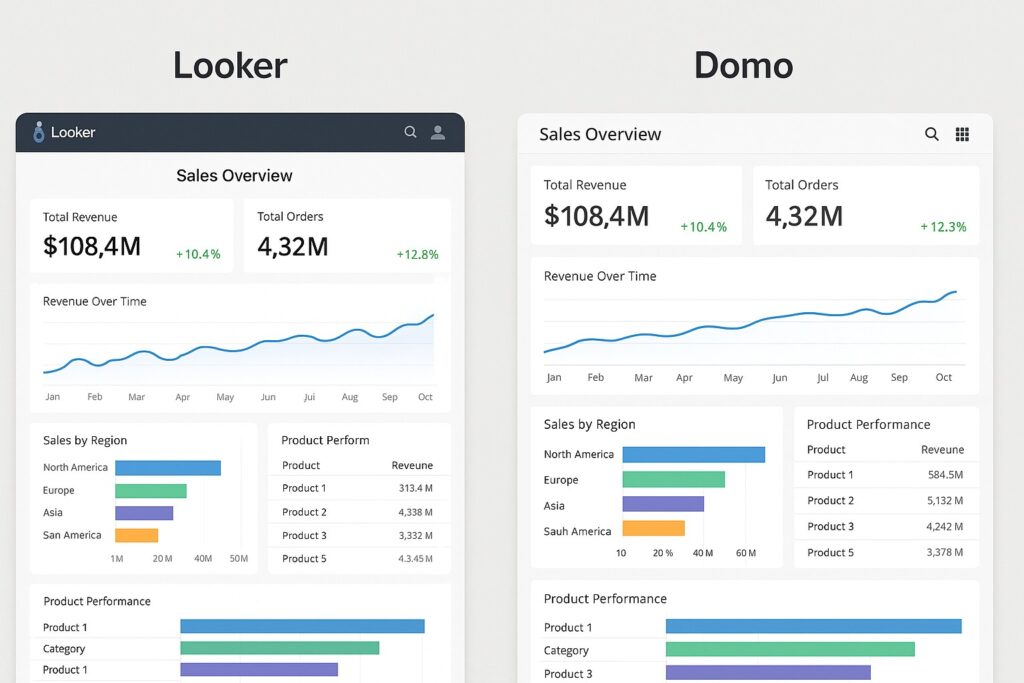
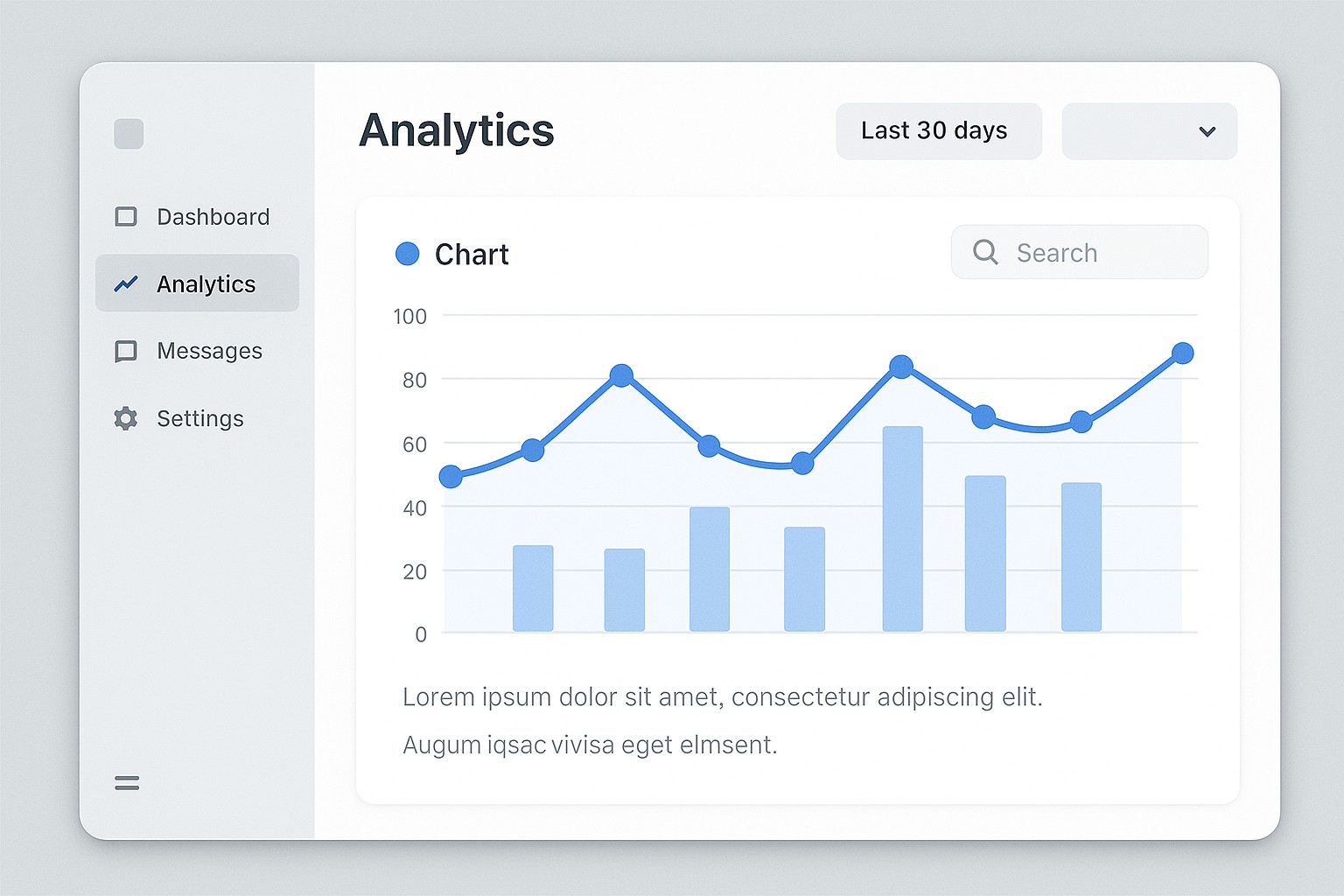
Embedded analytics refers to the practice of integrating analytics capabilities directly into other applications, products, or platforms. Instead of asking users to navigate away to a separate business intelligence tool, embedded analytics brings dashboards, reports, and data visualizations into the workflow where decisions are made. This approach makes data accessible in context, reducing friction and enabling action right at the point of need. It also shifts analytics from a standalone function to a pervasive capability that supports daily operations, product development, and strategic planning across teams.
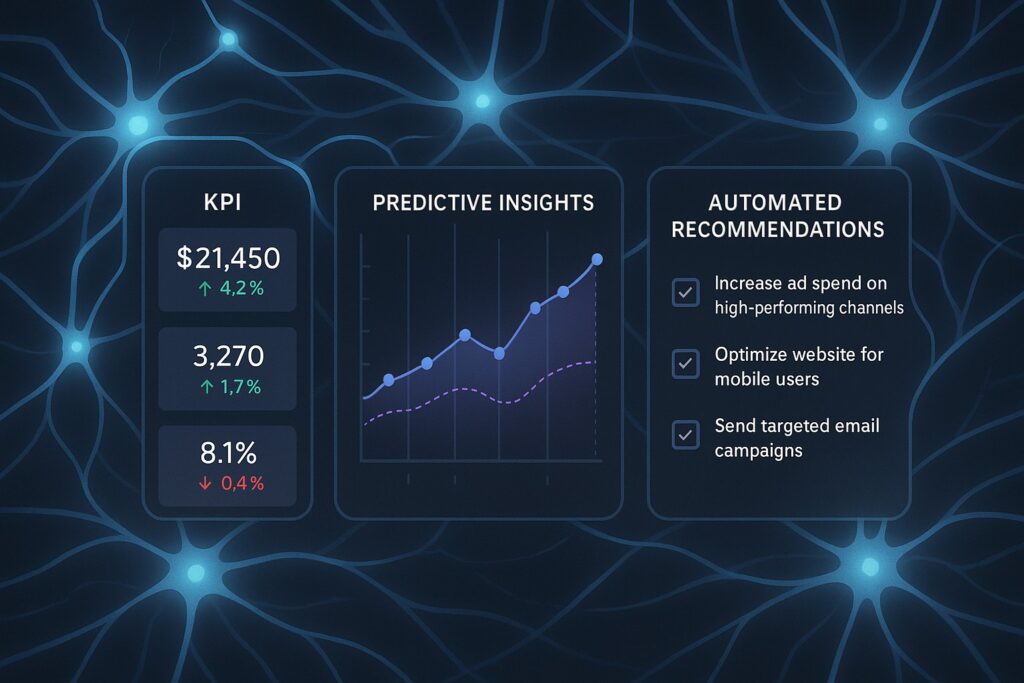
In essence, embedded analytics turns data into a seamless part of the user experience. It focuses on delivering targeted insights, contextualized metrics, and interactive tools within familiar interfaces. The goal is to help users answer questions quickly, make informed decisions, and measure outcomes without leaving the app they are using. This paradigm aligns analytics with business processes, enabling more human-centered decision making and faster iteration cycles across products and services.
How embedded analytics works
Embedded analytics sits at the intersection of data, visualization, and application interfaces. It typically involves connecting to one or more data sources (data warehouses, data lakes, operational databases) and exposing a subset of analytics capabilities—such as dashboards, charts, filters, and alerts—through APIs, widgets, or SDKs. The embedding approach can be contextual and dynamic: dashboards adapt to the current user, role, or workflow, presenting only the most relevant metrics and drill-down paths. This requires careful governance around data access, security, and performance to ensure a consistent and reliable experience.
A common architecture uses a combination of secure tokens, embedded widgets, and client-side rendering to deliver fast, interactive analytics within the host application. A lightweight script or SDK loads a dashboard or visualization into a designated container, while the backend manages data security, permission checks, and data stitching from multiple sources. For developers, this means a clean separation of concerns: the host app handles authentication and UI, while the analytics service focuses on data modeling, visualization, and governance. The result is an extensible, scalable solution that can support a wide range of use cases—from product analytics embedded in a SaaS platform to operational dashboards embedded within enterprise software.
// Example: embed an analytics widget into a SaaS app
const widget = createEmbeddedWidget({
  apiKey: 'REDACTED',
  dashboardId: 'sales-ops',
  theme: 'light',
  context: { userId: '123', tenantId: 'tenantA' }
});
widget.render(document.getElementById('dashboard-container'));
Benefits for users
When analytics are embedded, users interact with data inside the rhythm of their everyday tasks. This proximity between action and insight reduces the time to answer questions and accelerates decision making. Learners, managers, and frontline operators can quickly compare performance against targets, identify anomalies, and take corrective actions without switching tools or interrupting their workflow. The result is a more productive experience and a stronger link between data insights and real-world outcomes.
- Faster time-to-insight through contextual dashboards that appear where work happens.
- Consistent metrics and definitions across products, reducing interpretation gaps and scope creep.
- Personalized views and role-based access that tailor insights to each user’s responsibilities.
- Lower cognitive load by presenting relevant questions, not just raw data, in a familiar interface.
- Improved user engagement and decision velocity as analytics become an incremental part of workflows.
Business value and ROI
From a business perspective, embedded analytics can unlock measurable value by lowering the barrier to data-driven decision making. When users see insights within their primary tools, adoption tends to increase, which translates into more accurate forecasting, better customer insights, and faster cycle times. Organizations often experience reduced training costs because analytics are presented in familiar contexts, and admins can centrally govern access without creating separate user paths. Over time, the cumulative effect is improved operational efficiency, higher retention of customers who rely on timely insights, and the potential for new revenue models built around data-enabled capabilities.
In addition to operational gains, embedded analytics can contribute to strategic outcomes. For product teams, embedding analytics supports experimentation and measurement of feature adoption, churn drivers, and usage patterns. For sales and customer success, contextual dashboards reveal health indicators, leading indicators, and risk flags that enable proactive outreach. The financial impact comes from faster iterations, better alignment between departments, and the ability to monetize data assets through value-added analytics experiences within partner ecosystems or enterprise environments.
Design patterns and governance
Effective embedded analytics relies on thoughtful design patterns and robust governance. Contextualization—delivering insights that are relevant to the current task or user context—helps avoid information overload and keeps users focused on meaningful actions. A consistent visual language, predictable interactions, and interoperability with the host application’s UI are essential for a frictionless experience. Security and data governance underpin trust: access controls, data masking, and tenant-level isolation prevent leakage and ensure compliance with privacy regulations.
- Contextual embedding: tailor dashboards to the current workflow and user role, surfacing only the most relevant metrics.
- Unified authentication and authorization: use single sign-on, centralized permission models, and secure token-based access to embedded content.
- Data governance and privacy controls: enforce data access rules, masking, and lineage to meet regulatory and internal standards.
- Performance optimization and caching: implement strategies to minimize latency and ensure responsive visualizations even with large data volumes.
Real-world examples and patterns
Across industries, embedded analytics enables a spectrum of patterns where insights are delivered exactly where decisions are made. In software-as-a-service platforms, embedded BI powers product analytics dashboards inside the application, helping customers monitor usage, conversion, and revenue trajectories. In enterprise software, embedded dashboards can provide real-time operational metrics for supply chain, manufacturing, or finance teams without forcing users to switch to a separate BI tool. The common thread is a strategic alignment of analytics with user journeys, so insights are readily actionable and integrated into daily routines.
- Embedded analytics in CRM platforms to illuminate customer journeys, lifecycle stages, and engagement drivers.
- Embedded BI in SaaS products to reveal product usage, adoption metrics, and feature performance within the product UI.
- Embedded dashboards in ERP and operational systems to monitor production throughput, inventory, and financial controls.
FAQ
What is the difference between embedded analytics and traditional BI?
Embedded analytics integrates analytics capabilities directly into the software that users already rely on, delivering contextually relevant insights within the application’s workflow. Traditional BI, by contrast, typically sits in a separate environment or portal that users must navigate to run reports and dashboards. Embedded analytics emphasizes in-context decision making, real-time or near real-time data delivery, and a seamless user experience, while traditional BI is more centralized and often requires switching contexts to perform analysis.
How can embedded analytics affect product adoption?
By presenting insights where users work, embedded analytics reduces the friction associated with data access and interpretation. Users are more likely to adopt analytics when dashboards are built into onboarding flows, feature usage monitors, or customer success activities. Personalization and role-based views further improve relevance, increasing engagement and the likelihood that insights translate into action, which in turn drives higher retention and expansion across product lines.
What are the security considerations for embedded analytics?
Security in embedded analytics hinges on strong authentication, precise authorization, and careful data governance. Implement token-based access, support single sign-on, and enforce tenant-level data isolation to prevent cross-tenant leakage. Data masking and column-level permissions help protect sensitive information, while auditing and lineage tracking provide accountability. Ensure the embedding framework adheres to applicable privacy regulations (such as GDPR or CCPA) and that third-party widgets or libraries used for visualization do not introduce vulnerabilities. Finally, consider the risks associated with cross-site scripting and implement secure embedding patterns that minimize exposure.