Now Reading: Offshore Software Development in India vs Other Regions
-
01
Offshore Software Development in India vs Other Regions

Cost and Productivity: India Compared with Other Regions
In the realm of offshore software development, cost is rarely the sole determinant of value. Companies face a broader set of trade-offs that combine price, velocity, quality, and risk. India has developed a mature outsourcing ecosystem that offers competitive labor markets, scalable delivery centers, mature development practices, and access to a wide range of technology stacks. When evaluating India against other regions, organizations should distinguish between headline rate differentials and total cost of ownership, which includes ramp-up time, coordination overhead, and the cost of maintaining secure development environments. This broader view helps avoid the illusion that lower hourly rates automatically yield lower project costs.
Productivity and velocity are influenced by team composition, project governance, and the maturity of engineering processes. Indian delivery centers frequently excel at large-scale software development due to experience with multi-shore programs, standardized processes like Agile or DevOps, and a culture of process adherence. Yet outcomes depend on clear requirements, strong product management, and ongoing quality assurance. When paired with a capable client sponsor and robust vendor governance, India-based teams can deliver consistent cadence across releases while maintaining competitive economics. The result is often a reliable engine for sustained delivery rather than a one-off sprint payoff.
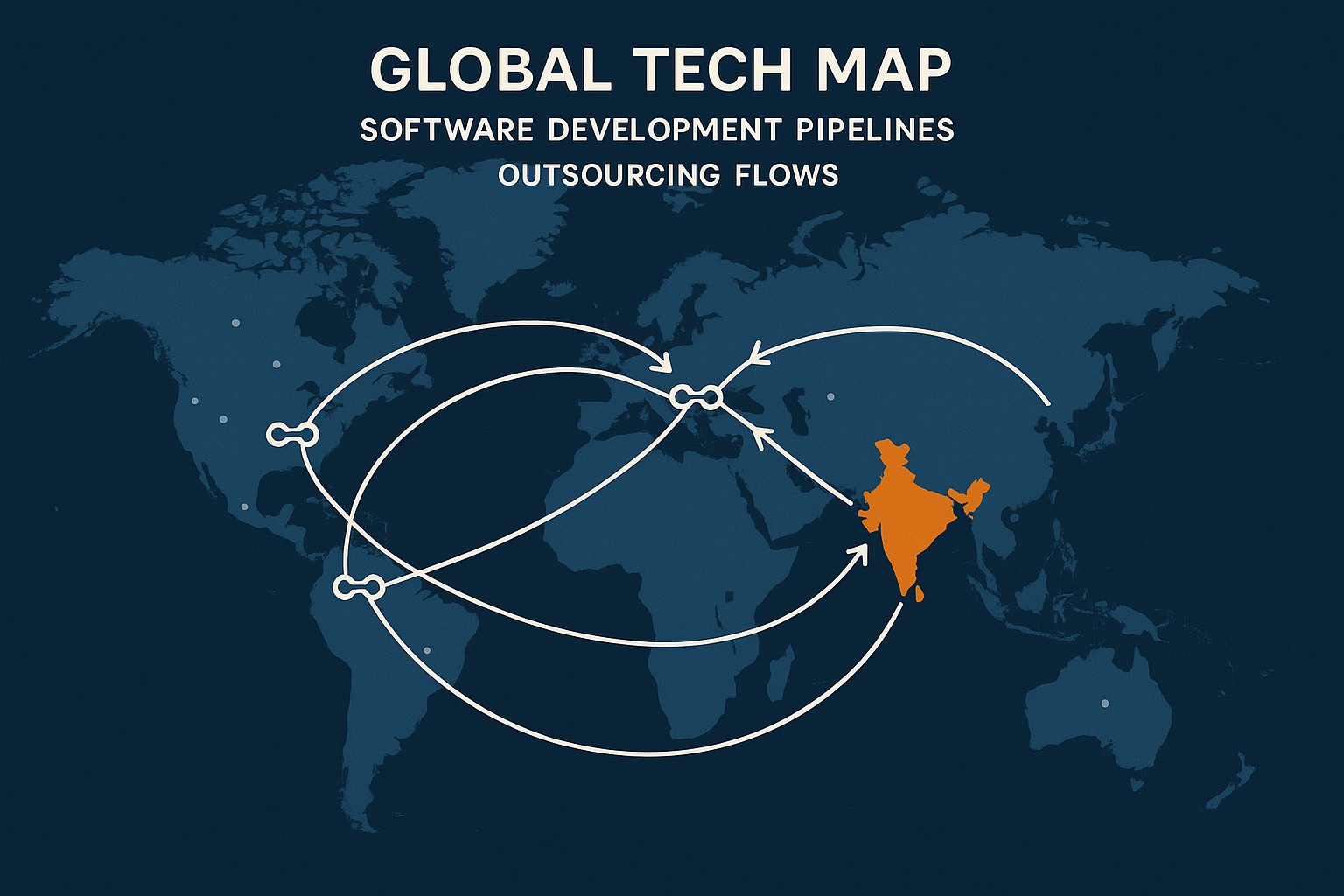
Relative to Eastern Europe, Latin America, and parts of Southeast Asia, the cost advantage may be pronounced but not universal. Some regions deliver closer alignment with European regulatory contexts or US market expectations, which can reduce integration friction and rework. For complex, security-sensitive products, organizations may prefer regions with deeper compliance ecosystems or local language and cultural fit for core domains. In practice, stakeholders often adopt a blended strategy, combining India for scale with a higher-cost region for domain-specific expertise or near-term regulatory alignment. The optimal choice typically hinges on the nature of the product, risk tolerance, and the desired speed of market entry.
- Hourly rate differentials and salary benchmarks across regions and skill levels
- Recruitment, onboarding, and ramp-up costs for new teams
- Travel, on-site engagement, and coordination expenses
- Management bandwidth and governance overhead
- Staff turnover, knowledge retention, and project velocity
- Tooling, security, compliance, and audit-related costs
Talent Quality, Education, and Availability
India’s engineering talent pool is a defining advantage, with a broad spectrum of engineers across software engineering, data science, mobile development, cloud architecture, and emerging technologies. The country benefits from a large pool of graduates each year and a long history of outsourcing partnerships that nurture delivery capability. English fluency, exposure to global project patterns, and familiarity with remote collaboration tools help teams integrate with international product teams. However, talent quality is heterogeneous across firms, so buyers should scrutinize the track record, team composition, and the ongoing learning culture of any partner.
When comparing regions, Europe and the Americas offer distinct benefits: Europe often emphasizes strong formal education pipelines and closer alignment to EU data practices; Latin America can provide favorable overlaps for US clients and lighter cultural distance. India offers scale and breadth across many stacks and a deep bench in product engineering. The right choice depends on project scope, required domain depth, cultural alignment, and the partner’s maturity in governance and security practices. For buyers, diligence is essential: verify references, request code samples, inspect security postures, and assess how the vendor engineers knowledge transfer to client teams.
To translate talent into outcomes, buyers should demand evidence of domain experience, robust software engineering practices, and a continuous improvement mindset. Quality is driven by code reviews, automated testing, security controls, and performance testing. A well-defined staffing plan, with a mix of senior architects, mid-level engineers, and strong QA, enhances risk management and accelerates time-to-market.
- Availability of broad domain breadth versus specialist depth in a given technology stack or sector
- Time-to-hire, ramp-up speed, and the readiness of teams to contribute to product timelines
- Cultural and communication alignment, including language fluency and collaboration norms
- Educational pipelines, certification programs, and ongoing professional development
- Security maturity, data privacy practices, and IP protection records
- Vendor ecosystem, scale of delivery capability, and proven delivery models
Time Zone, Communication, and Delivery Models
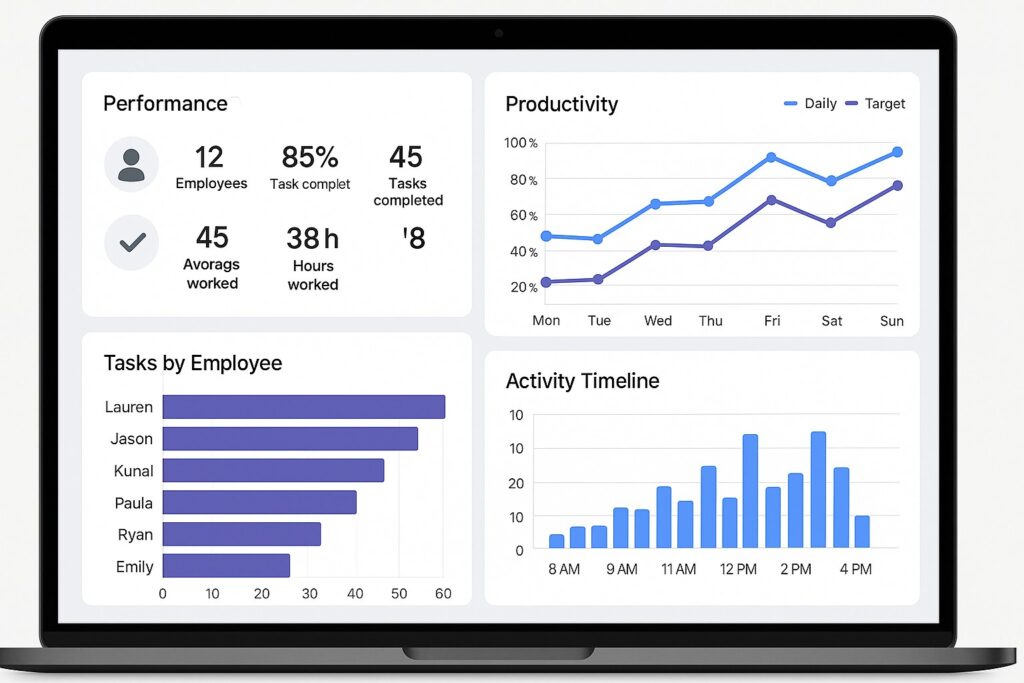
Effective collaboration with offshore teams requires deliberate management of time-zone differences and communication cadences. Indian teams often operate in hours that overlap with European morning or US late-day windows, enabling daily stand-ups, joint planning sessions, and timely feedback loops. At the same time, asynchronous delivery can be exploited to achieve continuous development across a 24-hour cycle. The best practice is to define explicit handoff rituals, maintain an up-to-date backlog, and instrument project health with dashboards so all stakeholders share a single, current view of progress.
Delivery models that are commonly used with offshore partnerships include dedicated teams, staff augmentation, managed services, and, in some cases, captive centers or hybrid onshore-offshore arrangements. Each model carries distinct implications for governance, cost structures, and risk profiles. A dedicated team or staff augmentation approach tends to maximize alignment and speed but requires strong vendor management; managed services can offer broader scale with more formal SLAs; captive centers provide deeper control but demand longer-term commitments and capital investments. The choice depends on project size, criticality, and strategic importance.
Beyond structure, practical considerations such as product complexity, the cadence of releases, and the required level of iterative feedback drive the design of the collaboration. High-velocity projects with frequent releases benefit from shorter sprint cycles and tight integration with product management, while regulated domains may require additional security reviews, documented compliance trails, and more formal change management. In all cases, establishing clear success criteria, frequent risk assessments, and a staged transition plan reduces the probability of misalignment and escalations late in the lifecycle.
Strategic Considerations and Risk Management
Strategic outsourcing decisions should include a structured approach to governance, risk, and compliance. Data privacy, intellectual property protection, and regulatory requirements are essential considerations when choosing India or any offshore region for critical software work. Organizations should conduct due diligence on partner qualifications, verify security certifications, and align on data handling practices, including access controls, incident response capabilities, and audit readiness. In sectors such as finance or healthcare, additional controls and contractual safeguards are standard practice.
Contract design, key performance indicators, and clear escalation paths are the backbone of reliable offshore delivery. It is important to specify acceptance criteria, quality thresholds, and exit or transition clauses that preserve business continuity if partnerships change. Multi-sourcing or multi-vendor strategies can mitigate single-source risk but require explicit governance frameworks to prevent fragmentation and inconsistent quality across suppliers. A disciplined, phased engagement with staged milestones often yields more predictable outcomes than a single large-scale push.
Ultimately, regional fit should align with the product lifecycle, organizational risk tolerance, and long-term strategic goals. Organizations that pursue rapid experimentation and scale often benefit from near-term cost advantages and a broad talent pool, whereas long-term, security- or compliance-intensive programs may favor regions with deep regulatory maturity and robust governance ecosystems. The decision framework should include not only price but also risk-adjusted time-to-market, quality, and the potential for sustained collaboration across multiple product releases.
FAQ
What are the main cost considerations when offshore outsourcing to India?
The primary cost considerations include not only the apparent hourly rates but also onboarding, ramp-up time, ongoing management, knowledge transfer, and the costs associated with maintaining secure development environments. Organizations should also account for travel, collaboration tooling, and potential rework caused by misalignment of requirements or inadequate early-stage planning. A well-structured governance model can help minimize these hidden costs and improve predictability.
How does India’s talent pool compare to Eastern Europe or Latin America?
India offers a vast, scalable pool of software engineers with broad domain experience, alongside strong English communication skills and experience delivering global products. Eastern Europe and Latin America tend to provide closer time-zone overlap for European and US clients and may exhibit greater specialization in certain domains. The right choice depends on project scope, required domain depth, cultural alignment, and the vendor’s maturity in governance and security practices.
How do time zones affect project delivery with India?
Time-zone differences introduce asynchronous development that requires robust handoffs, precise requirements, and clear documentation. Many teams adopt overlap windows for daily stand-ups and use iterative planning to ensure continuous progress while enabling developers to work autonomously during the rest of the day. Effective communication protocols, issue-tracking, and well-defined sprint rituals help reduce latency and rework.
What governance practices support successful offshore projects?
Successful offshore programs rely on explicit governance structures, including SLAs, clear KPIs, risk registers, escalation paths, and regular joint reviews. Security, compliance, and IP protection should be embedded in contracts, with defined acceptance criteria, change control procedures, and exit plans. Regular audits, transparent reporting, and continuous improvement feedback loops are essential for long-term reliability.
Is India suitable for regulated industries with strict data security requirements?
India can support regulated work, but success depends on partner maturity, security controls, and clear contractual commitments. Selecting vendors with strong data protection practices, robust physical and cyber security measures, and demonstrated experience in regulated industries is crucial. When needed, additional localization or compliance work can be implemented through staged implementation and verified through audits and third-party assessments.