Now Reading: Red Team vs Blue Team: Cybersecurity Drills Explained
-
01
Red Team vs Blue Team: Cybersecurity Drills Explained

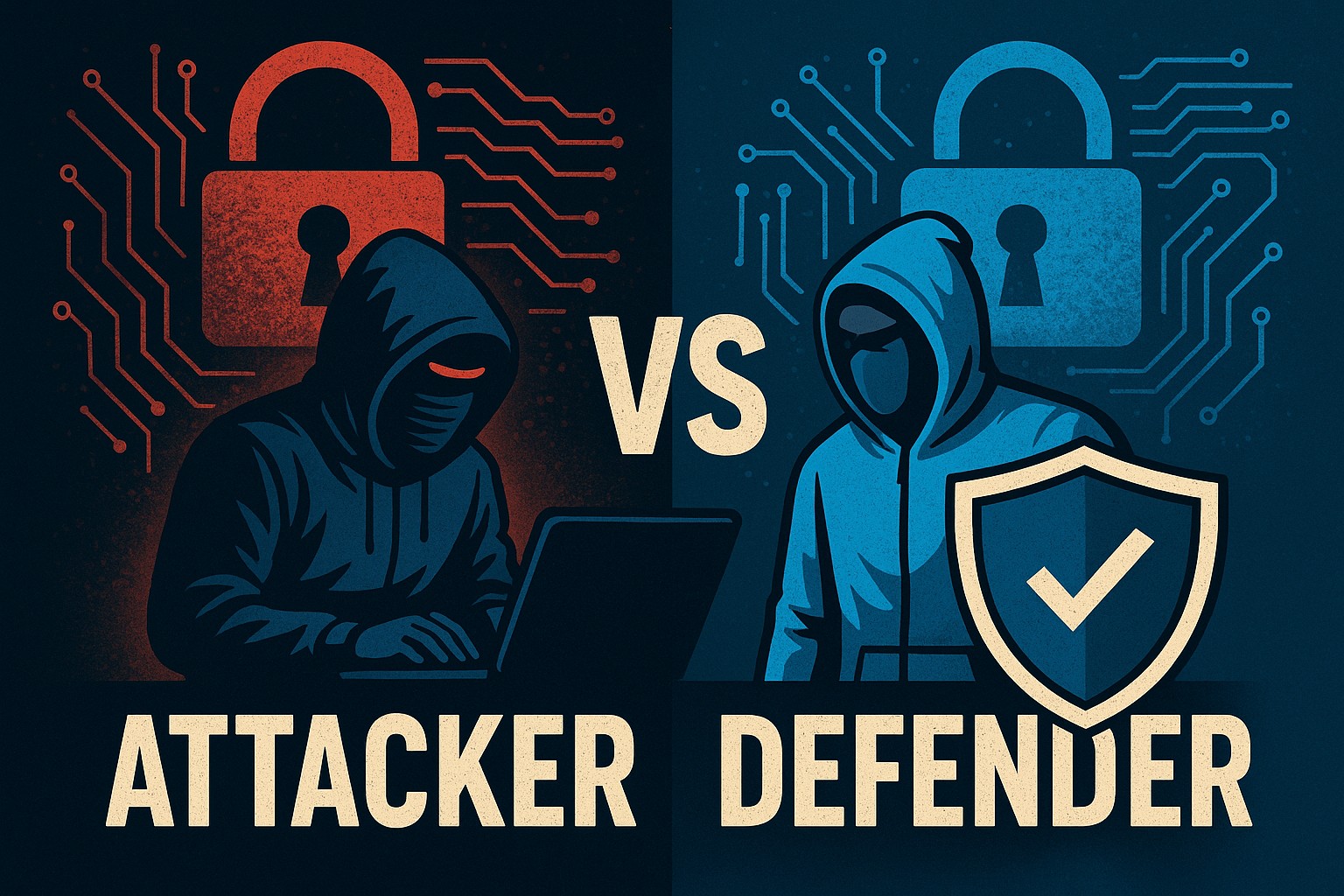
Overview of Red Teams and Blue Teams
Red Teams and Blue Teams are complementary forces within an organization’s cybersecurity program. The Red Team plays the role of an adversary, employing simulated attack techniques to uncover how defenses might be breached and how critical assets could be exposed. The Blue Team serves as the defense, responsible for detection, containment, and recovery, and for continuously hardening the environment against evolving threats. Together, they create a realistic, end-to-end assessment of an organization’s security posture beyond isolated vulnerability scans or theoretical risk analyses.
In practice, the value of these drills comes not just from identifying holes in technology, but from validating people, processes, and governance as well. When the exercise is designed with business objectives in mind, the findings translate into concrete improvements—tied to risk appetite, regulatory requirements, and the organization’s operational priorities. In modern organizations, these activities are tightly integrated with network security technology, incident response workflows, and executive oversight to ensure that lessons learned drive measurable risk reduction.
The playing field for Red Team vs. Blue Team exercises is typically a controlled environment that mirrors the production network closely enough to produce realistic results, while ensuring safety and compliance. The outcome of the drill is a prioritized set of remediation actions, a refined response plan, and a clearer understanding of how to disrupt attackers before they achieve impact. This is the essence of turning adversary emulation into a disciplined, business-oriented capability rather than a one-off show of force.
Red Team: Role, Methods, and Goals
A Red Team is a focused group of security professionals who emulate real attackers to test defenses from the attacker’s perspective. Their aim is not to cause damage, but to reveal how well the organization can detect, analyze, and respond to sophisticated intrusion attempts under conditions that resemble a genuine compromise. Red Team members often operate with a defined scope and rules of engagement to avoid disruption to business operations while preserving realism in the exercise.
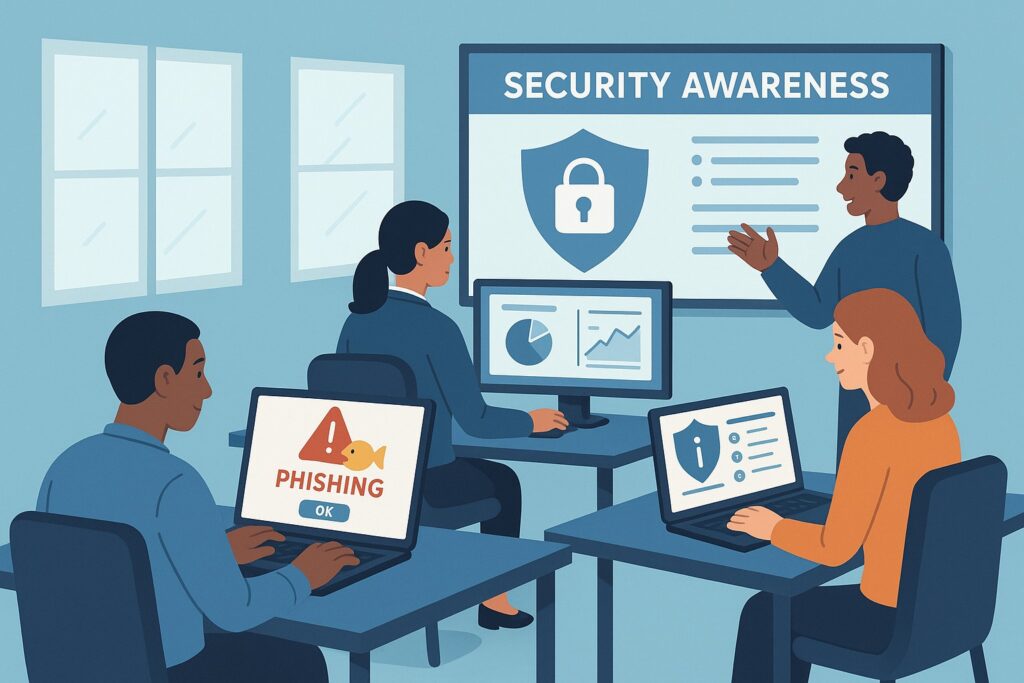
Typical Red Team activities include simulating external and internal threats, attempting privilege escalation, and exploring the resilience of people, processes, and technology. They may leverage social engineering, vulnerability exploitation, credential reuse, and post‑exploitation techniques to assess both the surface and the deeper paths an attacker could take. The objective is to answer practical questions such as: Can phishing bypass awareness training? Will suspicious activity trigger alerts in a timely manner? Are containment procedures effective when a credible adversary has footholds in the network?
- Phishing campaigns and social engineering to test user awareness and response
- Exploitation of vulnerabilities to evaluate patch management and defense depth
- Credential harvesting and reuse to examine access controls and privilege management
- Post‑exploitation attempts to assess lateral movement, data exfiltration risk, and persistence
Overall, Red Team activities are designed to stress test detection timelines, response workflows, and the completeness of containment plans, all within an ethical and legally sanctioned framework. Findings are translated into improvement actions for security controls, monitoring rules, and incident playbooks, with the goal of reducing the organization’s residual risk over time.
Blue Team: Defense, Detection, and Response
The Blue Team is responsible for defending systems, detecting malicious activity, and executing response procedures to minimize impact. Blue Team capabilities typically include security information and event management (SIEM), endpoint detection and response (EDR), network traffic analytics, threat intelligence feeds, and well-rehearsed incident response playbooks. The Blue Team’s success hinges on timely detection, clear escalation paths, and coordinated actions that disrupt adversaries before they achieve objective.
Blue Team personnel must be adept at triage, forensics, containment, eradication, and recovery, while maintaining business services and minimizing disruption. This requires strong collaboration with IT operations, governance, risk management, and compliance stakeholders. In practice, Blue Team operations rely on a blend of automated detections, human analysis, and rigorous documentation to ensure that lessons from drill activity translate into durable defenses and repeatable processes.
How Cybersecurity Drills Work: A Practical Framework
A practical drill follows a lifecycle that aligns with organizational risk management and regulatory considerations. From planning through lessons learned, the framework is designed to produce actionable insights that can be scheduled, tracked, and verified over time. The objective is to improve resilience, not merely to perform a one-time exercise for senior leadership.
The typical lifecycle comprises multiple stages, each with defined activities and responsible roles. The Red Team designs a plausible scenario that exercises critical paths, while the Blue Team prepares detection rules, response playbooks, and recovery procedures. After execution, an integrated analysis identifies gaps, maps findings to risk owners, and drives prioritization for remediation efforts. The result is a cycle of continuous improvement that strengthens prevention, detection, and response capabilities across the organization.
- Planning and scoping to align the exercise with business priorities and regulatory requirements
- Threat modeling and scenario design to ensure realism while maintaining safety
- Controlled intrusion and obstacle placement to test defenses without disrupting operations
- Incident detection, containment, and eradication to validate response effectiveness
- Forensic analysis and evidence collection to support root cause determination
- Remediation and reassessment to verify that corrective actions are implemented and effective
Throughout this framework, the goal is not just to “win” against the other team, but to learn, adapt, and mature the security program. The cadence of drills should be shaped by risk appetite, the maturity of the security program, and the pace at which threat intelligence evolves. A thoughtful approach to design, execution, and review ensures that results translate into stronger controls, better employee training, and a clearer path to reducing the likelihood and impact of incidents.
Metrics, Reporting, and Continuous Improvement
Measuring the effectiveness of Red Team/Blue Team exercises requires a balanced set of metrics that capture detection performance, response quality, and progress over time. Common measurements include the speed of detection, the speed of containment, the number of true positives versus false positives, and the coverage of the attack kill chain. Organizations often track time to detect (TTD), time to contain (TTC), and time to recover (TTR), along with the consistency of response actions across incidents.
Beyond technical metrics, effective drills generate actionable reporting for executives and operational teams. Reports should translate technical findings into business risk implications, with clear owners, timelines, and prioritized remediation plans. The most valuable outcomes come from closing gaps, verifying that remediation actions are implemented, and re‑testing to confirm that improvements are durable. This continuous improvement loop—measure, fix, revalidate—helps ensure that drill results drive an enduring enhancement of security posture rather than a one-off exercise.
Tools, Technology, and Governance
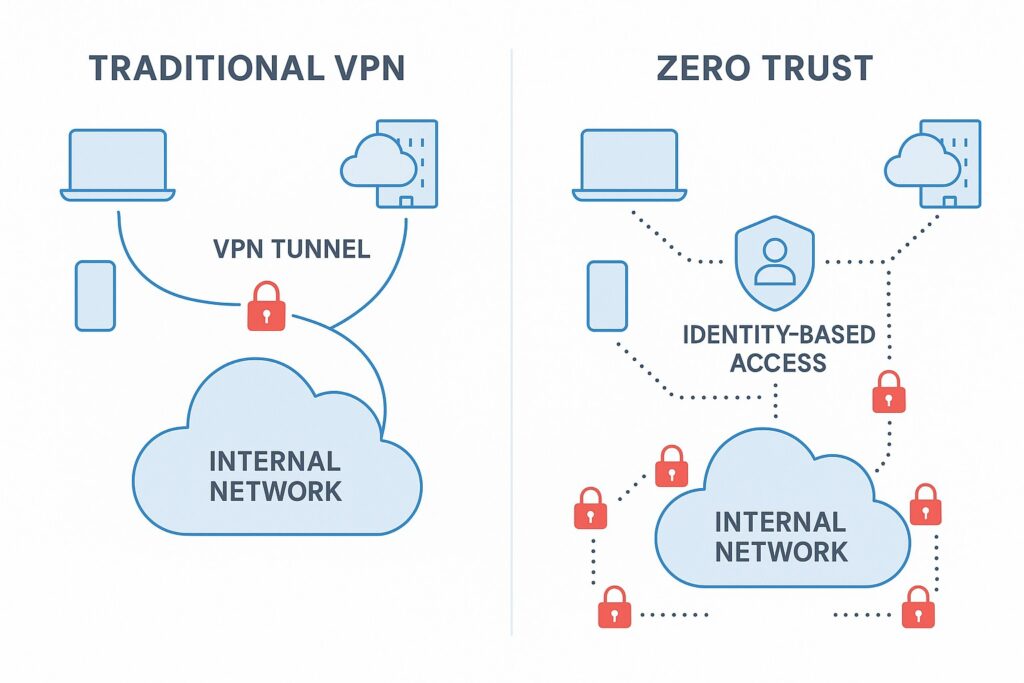
A successful Red Team/Blue Team program relies on a thoughtful mix of tools, governance structures, and roles. Tooling typically covers adversary emulation frameworks, credential management and rotation mechanisms, endpoint protection, network monitoring, and centralized reporting dashboards. The objective is to enable realistic simulations, rapid detection, and reproducible remediation workflows while maintaining compliance and data handling standards. In this context, network security technology provides the backbone for visibility, control, and automation across the security stack.
“Drills are most effective when they are tightly aligned with business priorities, regulatory requirements, and the organization’s risk tolerance. When security teams speak the same language as business units, findings translate into concrete actions that protect value and trust.”
Governance ensures proper authorization, scope management, and documentation of every exercise. Defined roles, pre-approved attack surfaces, and clear escalation paths reduce risk during simulations and support consistent improvements across people, process, and technology. A mature program also includes post‑exercise reviews with stakeholders from executive leadership, legal, compliance, IT operations, and security operations to ensure buy‑in and accountability for remediation outcomes.
Implementation Considerations and Risks
Implementing Red Team/Blue Team exercises requires careful scoping to balance realism with business continuity. Organizations should establish rules of engagement, data handling policies, and boundaries that prevent unintended impact on production services. It is essential to obtain formal approvals from senior management, legal, and risk owners, and to ensure that the exercise complies with industry regulations and internal governance standards. Clear communication plans help manage expectations and minimize disruption while preserving the integrity of the drill.
There are also practical risks to manage. Adversary simulations can strain resources, create alert fatigue, or reveal sensitive information if not properly controlled. It is important to plan for contingencies, set realistic timelines, and ensure that lessons learned are tracked through an integrated remediation workflow. Finally, organizational culture plays a critical role: security maturity improves when teams practice collaboration, share findings transparently, and commit to continuous learning and adaptation based on drill outcomes.
FAQ
What is the difference between Red Team and Blue Team?
A Red Team acts as the attacker, probing defenses and attempting to breach assets to reveal weaknesses. A Blue Team acts as the defender, monitoring systems, detecting intrusions, and executing response and recovery procedures. The two operate in a controlled environment with the common goal of improving security posture, not competing against each other for a win.
How often should cybersecurity drills be performed?
Frequency depends on risk profile, regulatory requirements, and organizational maturity. Many organizations schedule formal drills quarterly or biannually, with additional ad hoc exercises driven by changes in technology, threat intelligence, or business priorities. The key is to maintain a steady cadence that supports continuous improvement and does not exhaust teams.
What are common challenges in running Red Team/Blue Team exercises?
Common challenges include balancing realism with safety, maintaining clear governance and scope, avoiding disruption to critical services, and ensuring that findings lead to timely remediation. Coordination across multiple departments, data handling during simulations, and aligning drill outcomes with risk owners can also be difficult without strong planning and executive sponsorship.
How are drill results tracked and used to improve security posture?
Results are mapped to concrete remediation actions with owners, timelines, and success criteria. Findings are reviewed in post‑exercise debriefs, prioritized by risk impact, and incorporated into security roadmaps, training programs, and policy updates. Re‑testing ensures that fixes are effective and durable, creating a measurable loop of improvement.
How do regulatory requirements influence these drills?
Regulations often dictate data handling, privacy considerations, and incident reporting standards that shape drill design. Compliance needs influence scope, evidence collection, and reporting formats. Integrating regulatory requirements into the drill process helps ensure that exercises not only strengthen security but also demonstrate control effectiveness during audits and assessments.