Now Reading: Top Programming Languages for Web Development in 2025
-
01
Top Programming Languages for Web Development in 2025

Current Landscape for Web Development in 2025
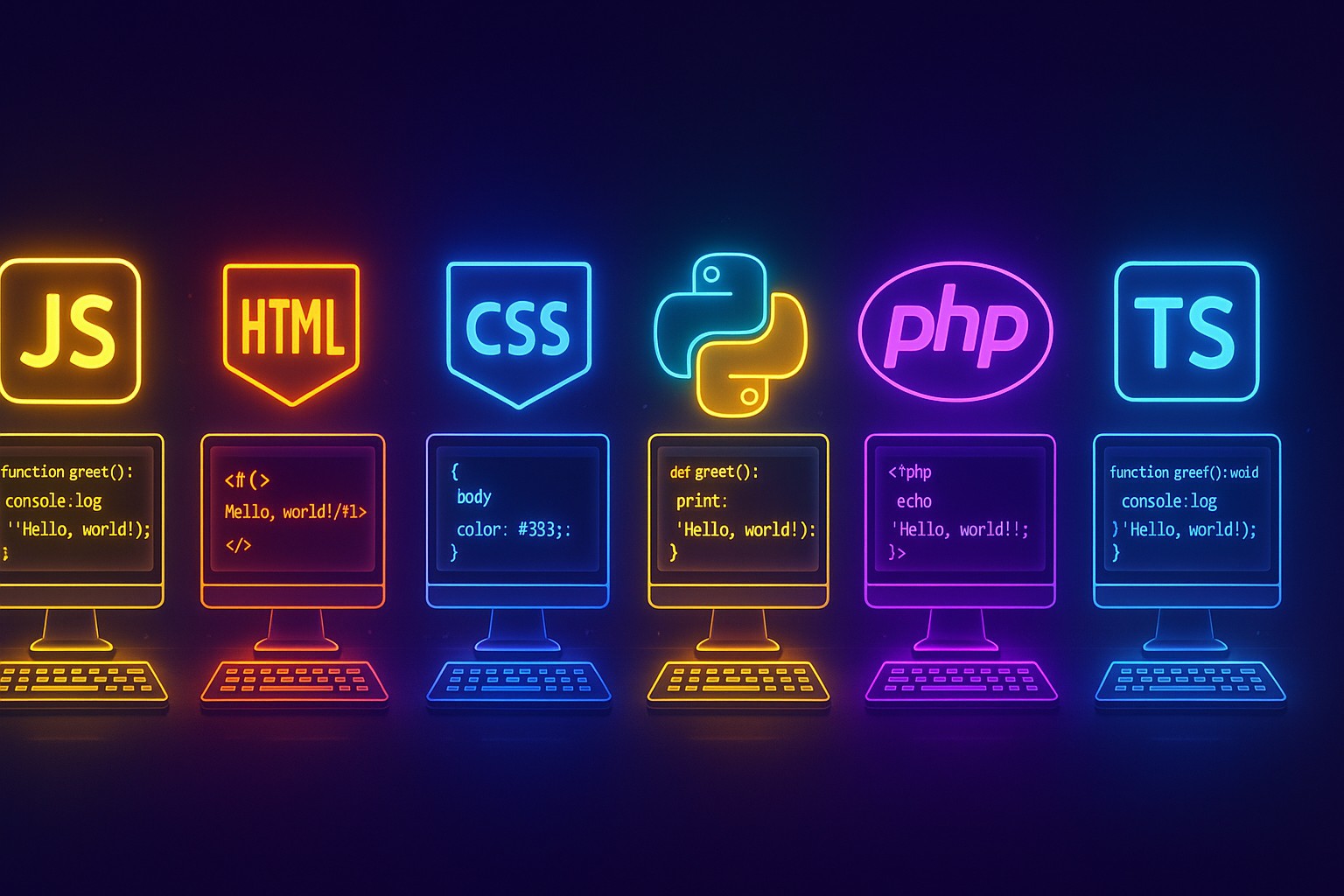
In 2025, web development remains a balance between delivering rich, interactive client-side experiences and building robust, scalable server-side systems. JavaScript continues to dominate the browser, while TypeScript has become the default for many teams aiming to improve maintainability and reduce runtime errors in large codebases. On the server, developers choose among a wider set of languages based on performance, ecosystem maturity, and the specific demands of the project. This year’s projects increasingly demand architectures that scale, are easy to monitor, and can be updated with minimal downtime, all while keeping development velocity high.
Cloud-native patterns, microservices, and edge computing have raised the bar for what “production-ready” means across languages. Teams expect strong asynchronous capabilities, clear typing where helpful, and tooling that supports rapid iteration, testing, and deployment. The most effective languages in 2025 are the ones that minimize friction across the full lifecycle—from prototyping to production, debugging to observability—without locking teams into rigid paradigms. In practice, successful organizations mix languages and frameworks to play to the strengths of each layer in their stack.
JavaScript and TypeScript: The Core of the Web
JavaScript remains the backbone of client-side development, driving dynamic interfaces, responsive user experiences, and client-heavy logic. The ecosystem around JavaScript—especially the major front-end frameworks—continues to evolve, enabling modular architectures, reusable components, and efficient state management. TypeScript adds a valuable layer of safety for teams building complex front-end codebases, helping catch type-related issues early and supporting safer refactoring as projects grow.
Beyond front-end tasks, JavaScript and TypeScript power back-end services with Node.js, enabling a more unified development experience across the stack. This unification can reduce cognitive overhead for teams and speed up delivery when the same language and patterns are used in both front-end and back-end contexts. In practice, the combination supports SPA architectures, API-first back ends, and lightweight microservices, often with strong developer experience and vibrant community support. The enduring appeal of JavaScript and TypeScript in 2025 lies in their flexibility, broad talent pools, and the breadth of tooling available for testing, bundling, and deployment.
- Ubiquity and a vast ecosystem of libraries and tooling
- Powerful tooling for type safety, refactoring, and IDE support with TypeScript
- Single language across front-end and back-end sharing code and concepts
- Rich framework options for components, state management, and routing
- Significant demand for JavaScript/TypeScript skills in the job market
Python for Web Back-End and Data-Driven Web Apps
Python continues to be a strong choice for back-end services, APIs, and data-driven applications. Frameworks like Django deliver batteries-included capabilities that accelerate initial development, while FastAPI emphasizes speed, asynchronous support, and clean API design. Python’s readability and expressive syntax help teams onboard quickly, which is particularly valuable when data science and machine learning components are integral to the product. This combination makes Python a versatile option for teams that want to move fast without compromising code quality.
Although Python may not always match the raw latency of some compiled languages, its performance is more than adequate for many API-centric and content-driven workloads when paired with modern ASGI servers and efficient caching. The ecosystem also provides robust support for background tasks, data pipelines, reporting, and analytics, enabling end-to-end solutions that connect web interfaces with data-rich capabilities. As infrastructure increasingly embraces containers and serverless patterns, Python’s mature deployment story remains a key strength for teams prioritizing speed to market and flexible experimentation.
PHP and Its Modern Relevance in Web Projects
PHP has matured into a durable choice for a wide range of web applications, especially those that rely on content management systems or rapid development cycles. The ecosystem around PHP—tied to popular platforms like WordPress and modern frameworks such as Laravel—offers a productive path from concept to production. Modern PHP versions bring performance improvements, better typing features, and a clearer path for modern architectural patterns, while Laravel and Symfony provide expressive syntax, solid testing support, and strong community backing. For many organizations, PHP remains a pragmatic choice for content-rich sites, e-commerce, and service-oriented back ends that don’t require the absolute lowest latency in every scenario.
The language’s enduring strength comes from its deployment simplicity, extensive hosting options, and a large pool of developers. Ongoing improvements in caching, opcode optimization, and asynchronous capabilities help PHP stay competitive in high-traffic settings, especially when paired with well-tuned databases and content delivery networks. PHP’s strong history in content-heavy applications and its compatible tooling landscape ensure it remains a reliable option for teams seeking predictable delivery timelines and a large talent market.
| Use case | Recommended language | Notes |
|---|---|---|
| Content-driven sites and CMS-backed platforms | PHP (Laravel, WordPress) | Extensive ecosystem; rapid content delivery |
| API endpoints for dashboards and data apps | JavaScript/TypeScript or Python | Strong async support and libraries for data handling |
| High-traffic e-commerce and marketing sites | PHP or Node.js | Scalable architectures and caching strategies available |
Java, Kotlin, and JVM-based Web Frameworks
The Java ecosystem remains a backbone for large-scale, enterprise-grade web services, delivering reliability, performance, and strong security posture. Kotlin’s emergence as a viable alternative on the JVM has broadened the appeal of modern language features, concise syntax, and safer defaults, making Spring Boot and related frameworks even more accessible to a broader pool of developers. JVM-based architectures typically excel in environments that require long-term stability, strong typing, and mature tooling for monitoring and observability. They also adapt well to cloud-native deployment patterns, microservices, and complex interoperability scenarios where predictable performance matters.
By 2025, JVM web frameworks strike a balance between traditional reliability and modern developer ergonomics. The ecosystem supports a spectrum of use cases, from RESTful APIs and graph-based services to high-throughput data processing and asynchronous programming models. Java and Kotlin communities continue to invest in startup-friendly options with fast startup times, low memory footprints, and robust modularity that helps teams evolve their architectures without sacrificing stability or developer productivity.
- Spring Boot
- Jakarta EE (formerly Java EE)
- Micronaut
- Quarkus
- Play Framework
Choosing the Right Language for Your Project: 5 Quick Rules
Selecting a language is rarely a purely technical decision. It hinges on the project type, the composition of the development team, and the long-term goals for maintenance and evolution. In 2025, many teams start with a pragmatic assessment of how quickly they can deliver a reliable product while preserving the flexibility to adapt to future requirements. The following criteria help align technical choices with business outcomes and existing capabilities.
By applying clear criteria to every project, organizations can reduce rework and accelerate delivery without compromising quality. Even when a favorite language seems to promise the fastest path, a disciplined evaluation of the ecosystem, tooling, and talent availability often reveals a more efficient route tailored to the product’s lifecycle and market needs.
- Define the project type and user base
- Assess existing team skills and hiring opportunities
- Consider ecosystem maturity and library coverage
- Plan for performance, security, and maintenance needs
- Evaluate total cost of ownership and long-term viability
FAQ
How do I choose between JavaScript/TypeScript and Python for a new API project?
Choose based on team experience, performance requirements, and the nature of the API. If the team values rapid iteration, a Python-based API (especially with FastAPI or Django REST) can deliver quickly with clear, readable code. If you expect rapid, event-driven workloads or want seamless sharing code with a frontend in TypeScript, Node.js with TypeScript can provide a cohesive end-to-end stack and a broad ecosystem for integrations and tooling. For teams that anticipate long-term maintenance with strict typing, TypeScript’s advantages often outweigh initial learning costs.
Is PHP still a viable choice for modern web development?
Yes, PHP remains a viable choice for many modern projects, especially content-heavy sites, e-commerce platforms, and teams that benefit from a mature hosting market and a large talent pool. Modern PHP versions and frameworks offer strong performance, good tooling, and productive development patterns. While it may not always be the first pick for high-performance microservices, PHP can be highly effective when aligned with appropriate architecture, caching, and scalable deployment strategies.
Will TypeScript replace JavaScript in the long run?
No. TypeScript is a superset of JavaScript that adds optional static typing and other features to improve safety and maintainability. It will continue to rise in popularity, and many projects will be written in TypeScript or gradually migrate from JavaScript to TypeScript. JavaScript remains the runtime language that runs in every browser and many server environments, so TypeScript is best viewed as a tool to improve JavaScript development, not a replacement for the language itself.
What role do emerging languages like Go or Rust play in web development in 2025?
Go and Rust have established roles in performance-critical components of web systems, such as high-throughput services, network proxies, and components requiring strong memory safety. They are often used for microservices, edge workloads, and systems programming alongside more traditional web languages. For many teams, Go or Rust are complementary to a broader stack rather than replacing established web languages, providing specialized capabilities where latency, concurrency, or safety are paramount.