Now Reading: Top Web Development Frameworks in 2025
-
01
Top Web Development Frameworks in 2025

Overview of Modern Frameworks in 2025
In 2025, the web development landscape continues to blend performance with developer experience. Frameworks have matured beyond novelty features and matured into robust ecosystems with strong tooling, active communities, and clear guidance for architectures spanning single-page apps, server-rendered experiences, and edge-computed deployments. This maturation supports teams as they navigate increasingly complex product requirements, from fast initial renders to accessible and maintainable interfaces.
Across front-end and back-end domains, the emphasis has shifted toward predictable behavior, strong typing, and extensible APIs. Organizations invest in standards around APIs, caching, security, and observability to ensure that projects can scale without sacrificing reliability. The result is a set of well-understood choices that balance speed of iteration with long-term maintainability, enabling teams to adapt to shifting customer needs while preserving governance and quality.
As competition for user attention intensifies, framework teams focus on accessibility, performance budgets, and tool-driven DX. Enterprises often favor frameworks with mature ecosystems, robust testing models, and clear migration paths from older stacks. At the same time, vibrant communities keep newer approaches in play, ensuring that innovation remains available to teams that need it. The net effect is a web development landscape in which stability and adaptability go hand in hand, with the right framework selected for the right problem.
Front-end frameworks: popularity, features, and trends
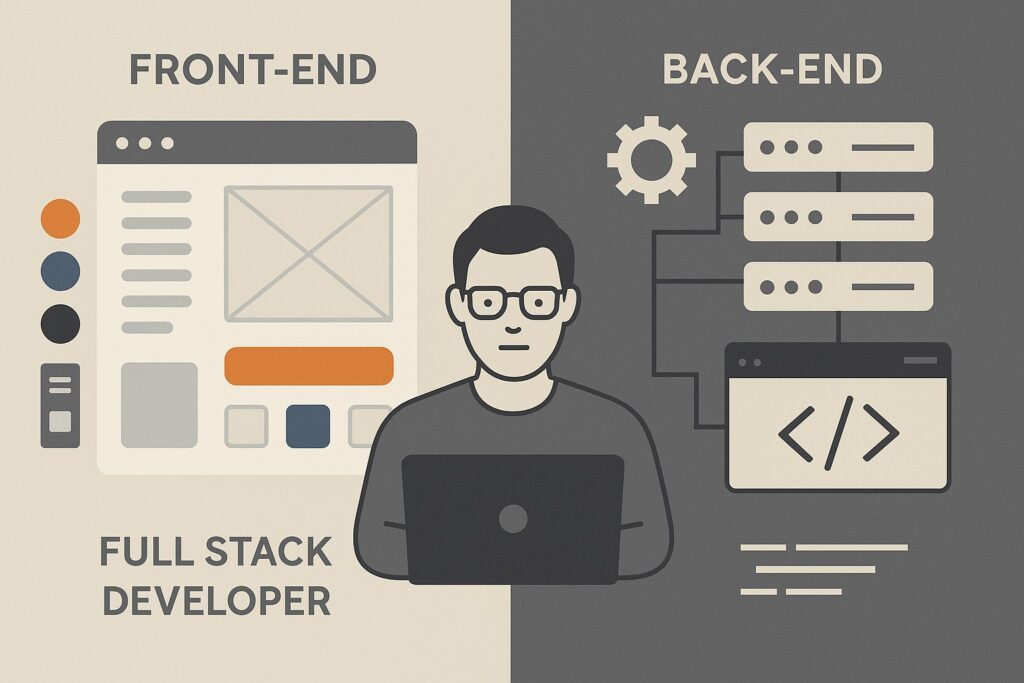
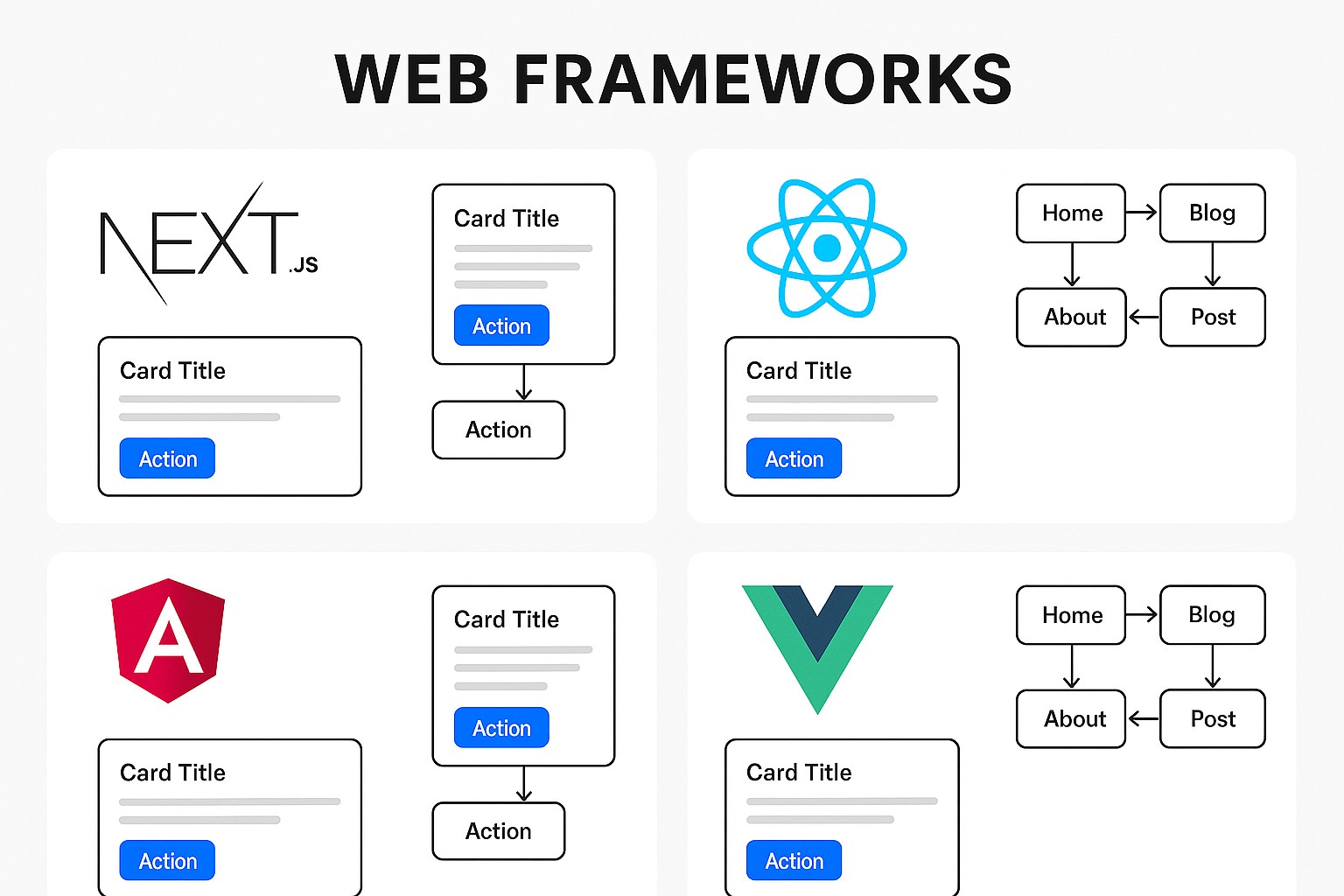
React continues to dominate large-scale front-end applications, where a vast ecosystem, strong community, and extensive hiring pools offer durable advantages. Vue and Angular retain meaningful segments of enterprise and product-focused projects, each with distinct philosophies and tooling. Meanwhile, Svelte and related innovations push for smaller bundles and faster interactivity, challenging the traditional expectations of how front-end code should be structured. The rise of SolidJS and similar libraries reflects a broader appetite for highly efficient rendering models in performance-sensitive contexts. The industry is converging around tooling that accelerates development, notably modern bundlers and server-driven rendering pipelines that bring content to users faster without sacrificing interactivity.
What drives adoption in practice goes beyond raw performance. Server-side rendering and static site generation are increasingly common, supported by frameworks that provide first-class integration with data sources, authentication, and content pipelines. TypeScript adoption remains pervasive, reinforcing safer APIs and better editor experiences across teams. In addition, production-grade testing, component-driven architectures, and accessible UI tooling are now expected features rather than optional enhancements. Organizations weigh these factors against team skill sets, legacy codebases, and the availability of qualified engineers when choosing a primary front-end approach.
In real-world product development, teams often standardize around a primary framework for new initiatives while maintaining support for legacy apps across alternatives. This approach reduces fragmentation and preserves a path for gradual modernization, with clear migration plans that align with product roadmaps and budget cycles. The outcome is a balanced ecosystem where mature frameworks remain viable for flagship projects, while newer approaches enable faster iteration for experimental or customer-facing features.
- React
- Vue
- Angular
- Svelte
- SolidJS
Back-end frameworks: performance, scalability, and ecosystem
Back-end frameworks have evolved to emphasize asynchronous I/O, composable middleware, and native support for APIs, microservices, and serverless patterns. This shift enables applications to handle higher concurrency and more complex data flows while maintaining responsiveness. Frameworks continue to diversify in how they balance batteries-included ergonomics with the flexibility of micro-frameworks, allowing teams to tailor architectures precisely to their needs.
In the Python ecosystem, Django remains a pragmatic choice for teams seeking batteries-included capabilities with a strong admin interface and robust security defaults, while FastAPI draws attention for its OpenAPI-first approach and excellent performance with asynchronous routes. In the Node.js space, Express endures as a baseline for many stacks, even as newer, more opinionated frameworks offer more structured patterns and improved developer experiences. PHP communities continue to find value in Laravel, which emphasizes elegant syntax and a cohesive set of features for rapid API or web development. Across these ecosystems, ORM support, authentication patterns, and API tooling have become standard requirements, guiding decisions about which framework best fits a given service.
Performance and reliability considerations drive decisions about deployment models, including serverless options, edge runtimes, and containerized services. Teams increasingly value integration with observability tooling, automated testing pipelines, and secure defaults that reduce the cost of maintaining compliance and security posture over time. The result is a more modular landscape where teams can mix and match frameworks to optimize for throughput, latency, and operational overhead.
- Django
- Express
- FastAPI
- Laravel
Cross-cutting concerns: tooling, security, and developer experience
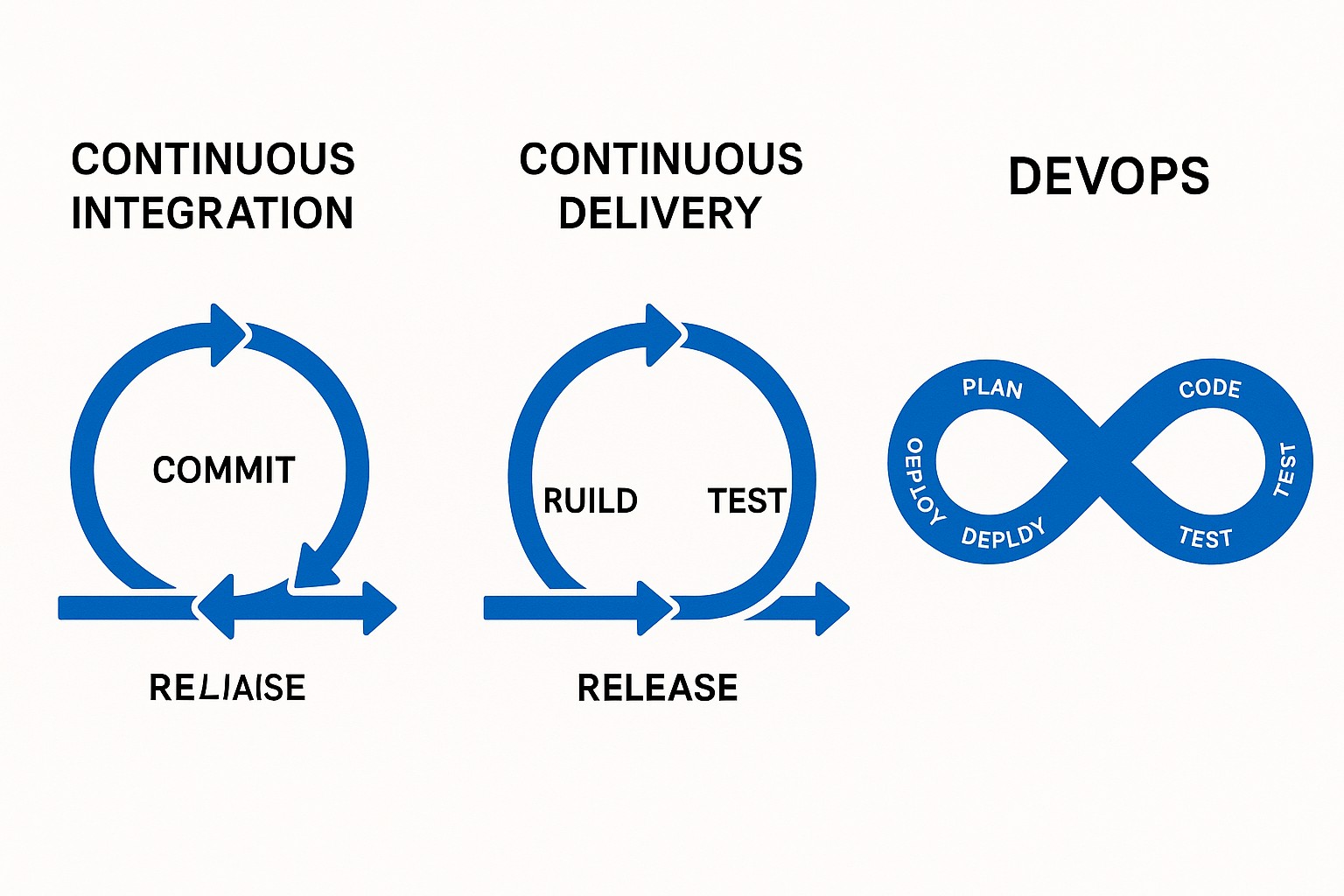
Across front-end and back-end work, the most impactful improvements in 2025 come from tooling that accelerates iteration without compromising quality. Modern pipelines emphasize type-safe interfaces, automated testing coverage, and continuous integration that reliably catches regressions. Developers benefit from improved debugging experiences, better error messages, and richer ecosystem integrations, all contributing to faster onboarding and more maintainable codebases.
Performance budgets and caching strategies remain central to delivering responsive experiences. Edge computing and content delivery networks reduce latency by serving dynamic and static assets closer to users, while streaming and progressive rendering techniques bring content to users more quickly. Security considerations have grown in tandem with feature complexity; frameworks frequently offer built-in protections for common vulnerabilities and straightforward patterns for authentication, authorization, and data validation. Together, these trends enable teams to deploy more ambitious applications while maintaining governance and risk controls.
Code snippets can illustrate practical configurations or patterns. Below is a minimal example showing a lightweight front-end setup that prioritizes fast startup and straightforward development iterations:
// Minimal Vite config example for a front-end app
import { defineConfig } from 'vite'
export default defineConfig({
  server: { host: true, port: 5173 },
  build: { target: 'es2020' }
})
Migration and learning curves in 2025
For teams upgrading or migrating between major stacks, a careful, methodical approach matters more than ever. Organizations should assess the current architecture, determine which features and patterns map cleanly to the target framework, and identify areas where refactoring or component reusability can reduce risk. Aligning migration plans with business goals, such as time-to-market constraints and user experience requirements, helps ensure that modernization delivers tangible value rather than just architectural polish.
Learning multiple frameworks is increasingly common in tech-enabled organizations. Teams benefit from structured training programs, hands-on sandbox projects, and clear documentation that translates framework concepts into concrete, repeatable practices. A thoughtful approach to governance—defining conventions, component libraries, and testing standards—prevents duplication of effort and reduces cognitive load for engineers who work across stacks.
- Assess current stack and map to target architecture
- Define migration path and pilot projects
- Implement incremental rollout with monitoring and rollback plans
- Invest in training, documentation, and knowledge transfer
- Monitor outcomes, measure ROI, and adjust governance
FAQ
Which framework should you choose for a new project in 2025?
Choose based on the project’s requirements, your team’s existing skills, and the long-term maintenance plan. Prioritize a framework with strong ecosystem support for your data needs, good tooling for testing and accessibility, and a clear migration path if you anticipate future changes. Consider SSR or SSG needs, performance targets, and the availability of experienced engineers in your region when making the decision.
How important is server-side rendering in modern web apps?
Server-side rendering remains highly relevant for performance, SEO, and initial perceived speed, particularly for content-rich sites and commerce experiences. However, client-side interactivity and streaming capabilities have also become critical for user engagement. The best approach often involves a hybrid pattern: using SSR or SSG where content needs to load quickly and defaulting to CSR or streaming for highly interactive components. The choice should align with content strategy, latency expectations, and infrastructure capabilities.
What are the main trade-offs between monolithic and microservice-oriented frameworks?
Monolithic frameworks simplify development and testing by providing cohesive conventions and a unified runtime, which can speed initial delivery and reduce operational complexity. Microservice-oriented frameworks offer greater modularity, scalability, and the ability to evolve parts of the system independently, but they introduce coordination overhead, distributed tracing requirements, and more complex deployment models. The decision often hinges on organizational scale, team structure, deployment cadence, and the degree of modularity required by the product roadmap.
What strategies help teams learn multiple frameworks effectively?
Adopt a structured learning path that includes hands-on experiments, pair programming across frameworks, and shared component libraries to reduce duplication of effort. Encourage short, outcome-focused projects that compare approaches side-by-side, and establish a common set of testing and deployment practices to unify quality standards. Regular knowledge sharing, internal newsletters, and short-form documentation can help spread best practices and minimize cognitive load when switching between technologies.