Now Reading: What is Sitecore? Features and Benefits of This CMS
-
01
What is Sitecore? Features and Benefits of This CMS

Overview
Sitecore is a leading enterprise content management and digital experience platform designed to help large organizations create, manage, and optimize digital experiences across channels. It combines content management, marketing automation, commerce, and analytics into a single, scalable system that supports complex governance and multi-brand environments. The platform is used by global brands in retail, financial services, manufacturing, and media to coordinate experiences from a single source of truth.
In practice, Sitecore enables teams to plan, author, deliver, and measure content and experiences across websites, mobile apps, emails, in-store kiosks, and other touchpoints. It provides a unified data model and a wide range of delivery options—ranging from traditional server-rendered pages to headless APIs—so organizations can tailor experiences while maintaining control over governance, performance, and compliance.
- Unifying content across websites, mobile apps, and portals
- Personalization and audience targeting
- Headless delivery and API-first integrations
Core capabilities
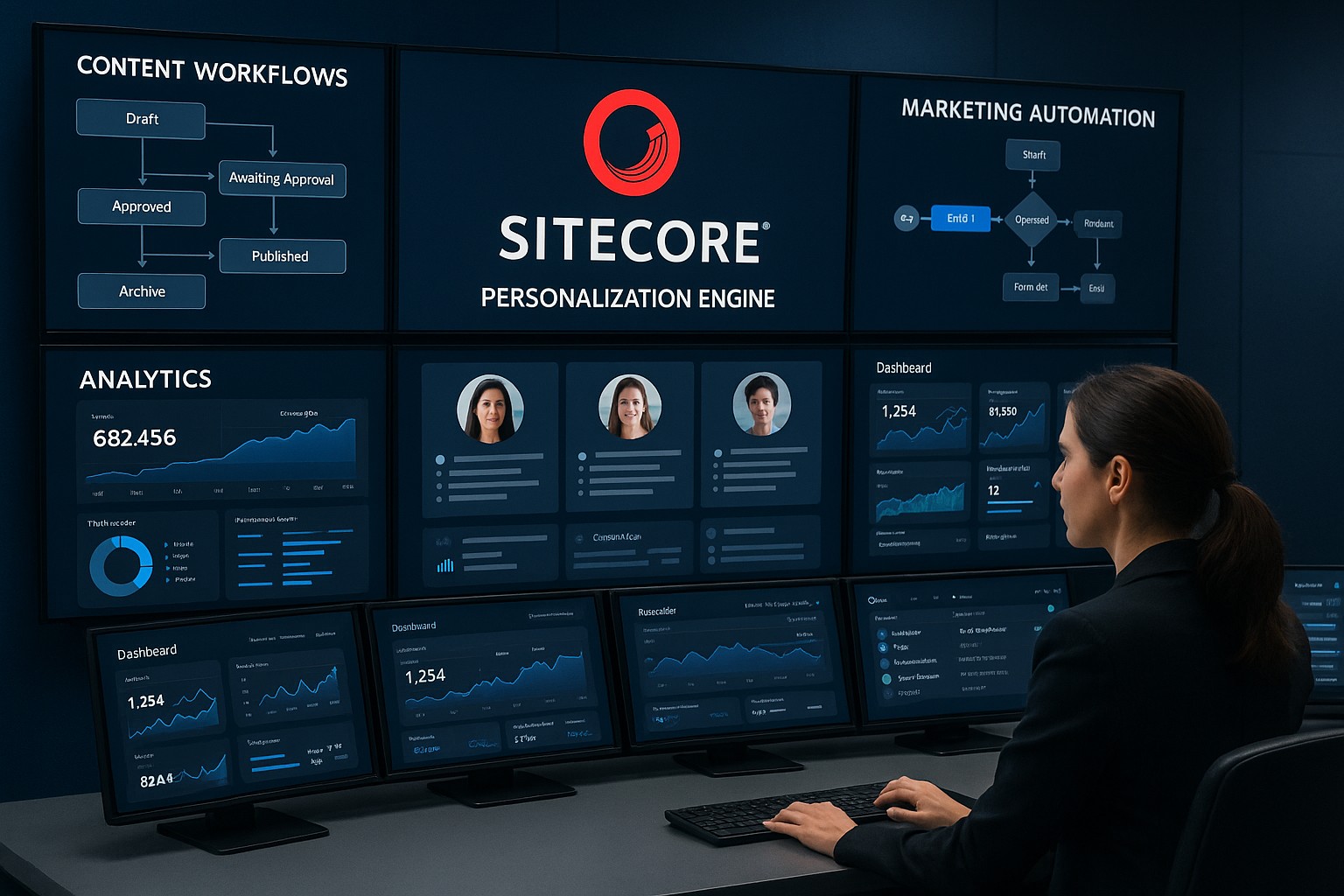
At its core, Sitecore blends content authoring with marketing automation, digital asset management, and analytics. Authors work in familiar editorial interfaces to create and structure content, while marketers configure campaigns, journeys, and personalized experiences that align with business goals.
The platform stores visitor interactions in the Experience Database (xDB), turning raw data into actionable insights that inform segmentation, testing, and optimization. This data-driven approach helps teams continuously improve relevance, conversion, and retention while maintaining governance through role-based access and approvals.
Beyond content and analytics, Sitecore provides asset management, versioning, and workflow features that help teams manage media, documents, and regulatory compliance across large catalogs and global sites.
Digital experience platform and personalization
As a digital experience platform (DXP), Sitecore orchestrates content and interactions across channels to deliver cohesive, personalized journeys. Marketers can define personas and rules, test variations, and deploy experiences that adapt in real time to visitor intent and context. The result is a more engaging customer experience and improved conversion outcomes.
Sitecore’s journey orchestration, segmentation, and experimentation capabilities enable continuous optimization. Real-time data from xDB fuels recommendations and adaptive content, while APIs and headless delivery ensure developers can embed Sitecore-driven experiences into websites, apps, and emerging channels without sacrificing performance.
Architecture and extensibility
Sitecore follows a modular, component-based approach aligned with Helix architecture principles to support scale, governance, and multi-brand implementations. The runtime runs on the .NET platform and separates concerns between content services, marketing automation, and commerce capabilities for easier maintenance and upgrades.
- Helix-aligned modular architecture for scalability
- .NET-based runtime with strong integration points
- REST and GraphQL APIs for headless delivery
- Marketplace extensions, SDKs, and developer tooling
For organizations that want to combine best-of-breed tools with a central content hub, Sitecore exposes a stable integration surface for CRM, PIM, CDP, analytics, and DAM systems, while preserving a consistent authoring and experience layer.
Developer experience and Sitecore development
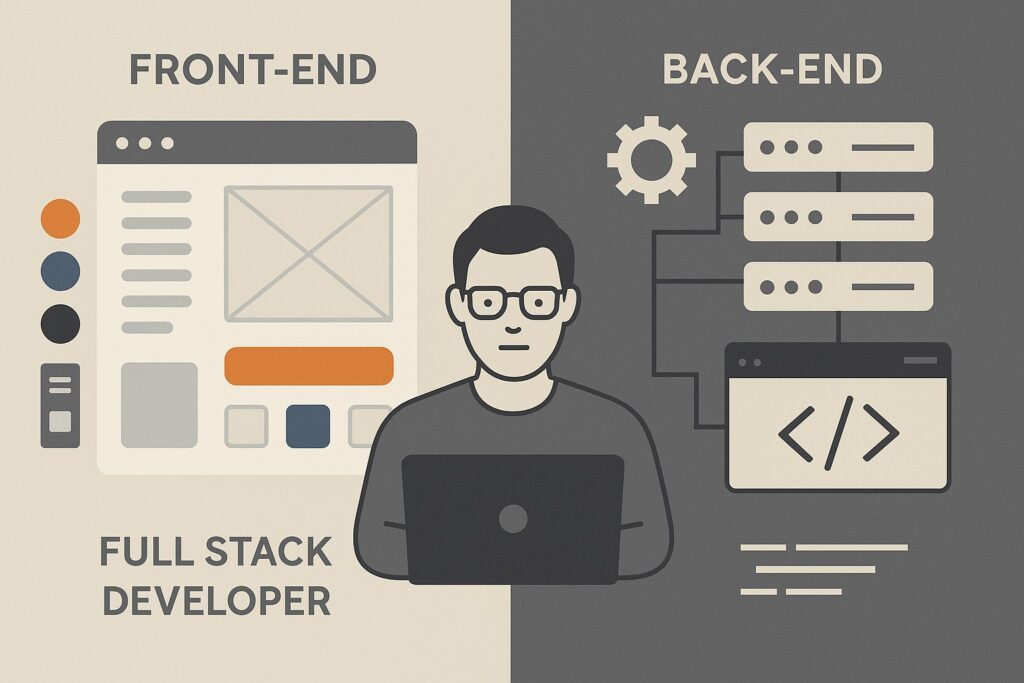
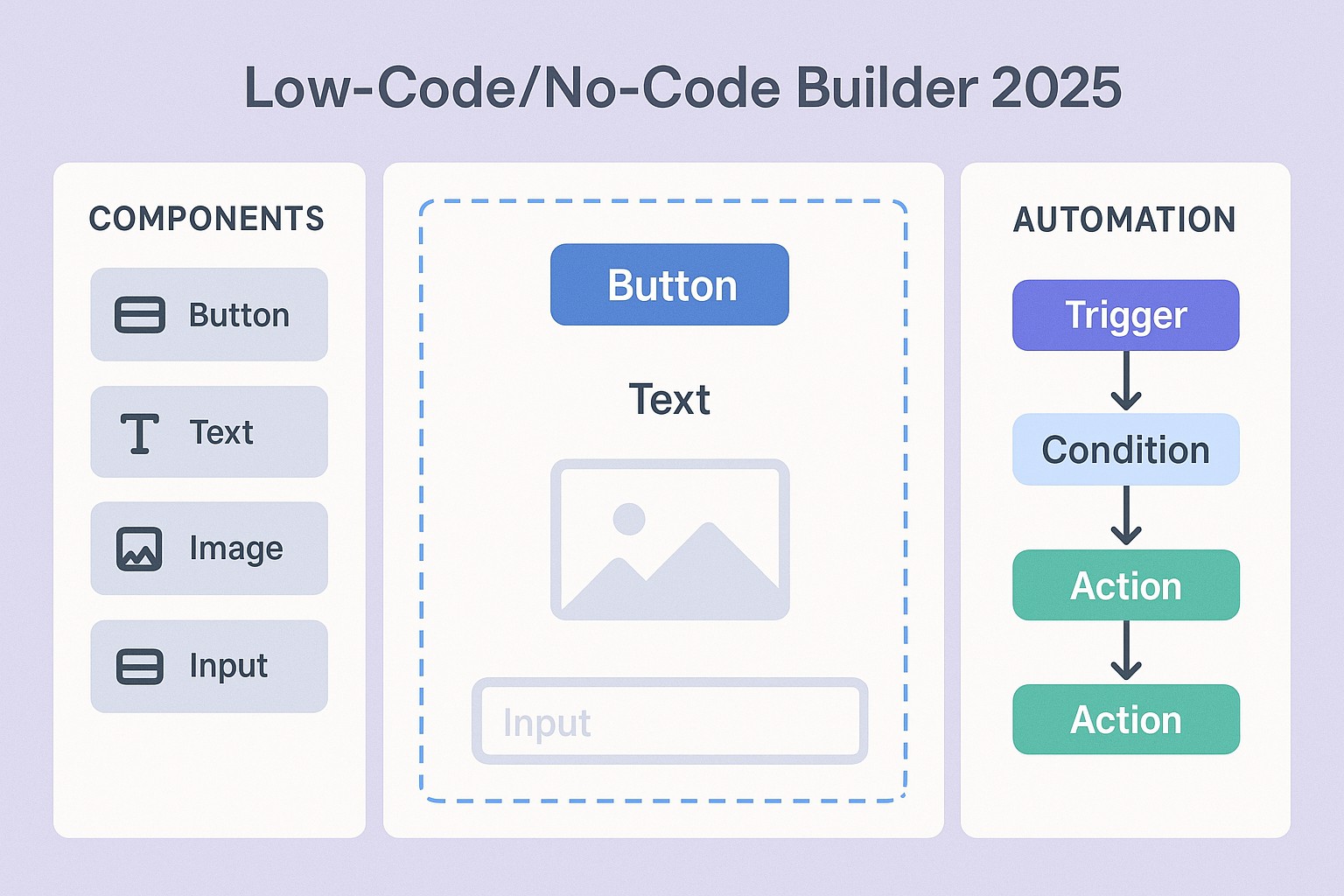
Developers benefit from a structured development lifecycle, strong tooling, and clear extension points. Sitecore JSS (JavaScript Services) and the SXA (Sitecore Experience Accelerator) allow teams to build headless or hybrid experiences rapidly, with reusable UI components, templates, and content models. The Experience Editor and Content Editor provide familiar workflows that reduce the learning curve for content authors, while APIs enable custom integrations and automation.
Sitecore also emphasizes code quality and maintainability through well-documented APIs, versioned deployments, and robust packaging mechanisms. For enterprises, this translates into faster delivery cycles, more predictable releases, and easier collaboration between marketers, editors, and developers.
Security, governance, and compliance
Security and governance are integral to Sitecore’s design. Role-based access control (RBAC), granular permissions, and workflow approvals help ensure that content changes are authorized and auditable. The platform supports data governance, retention policies, and audit trails that are essential for regulated industries and enterprise-scale deployments.
Sitecore also addresses compliance requirements such as GDPR and data residency by offering data segregation, encryption at rest and in transit, and robust logging. Organizations can tailor security policies to meet internal standards and external regulations while keeping performance and user experience intact.
Deployment and operations
Sitecore deployment options span on-premises, private cloud, and managed cloud services, including Sitecore XM Cloud, which provides a cloud-native, scalable environment with automated updates and scalable delivery. Enterprises often adopt a CI/CD pipeline to support frequent content updates and feature releases, while leveraging staging environments to validate changes before going live.
Operational excellence comes from proper environment management, monitoring, and performance tuning. Sitecore supports containerized deployments, feature flags, and telemetry that help operators identify bottlenecks and optimize the experience at scale.
- On-premises or cloud deployment with consistent governance
- CI/CD pipelines and automated testing for reliable releases
- Scalable delivery with telemetry and containerized components
Migration, adoption, and roadmap
Enterprises evaluating Sitecore often run parallel assessments of current content assets, data models, and personalization programs. A well-planned migration strategy reduces risk and minimizes downtime, with careful attention paid to migrating templates, workflows, and digital assets. Sitecore provides documentation, migration tools, and professional services to support a staged transition from legacy CMSs to the Sitecore platform.
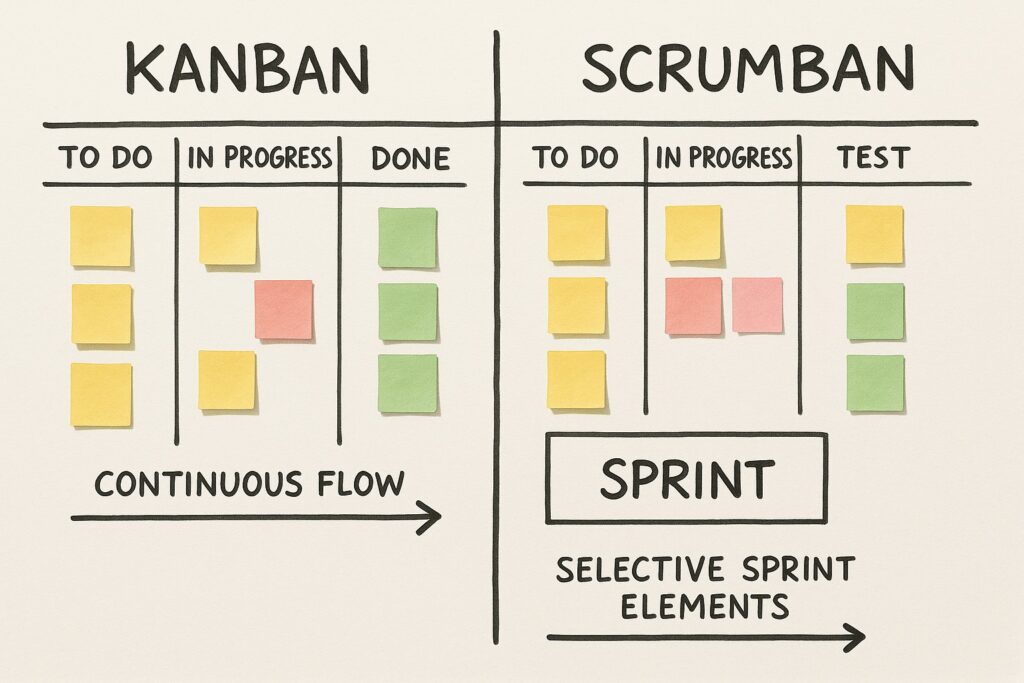
Beyond technical migration, adoption requires organizational change, user training, and governance to ensure sustained value. Teams may adopt agile practices for content delivery, align campaigns with data-driven experimentation, and establish center-of-excellence teams to maximize the business benefits of the platform.
Business outcomes, ROI, and strategy
When implemented with discipline, Sitecore can drive meaningful business outcomes, including higher conversion rates, increased content reuse, and improved personalization accuracy. The platform’s analytics capabilities help teams measure impact against business KPIs, enabling optimization of marketing spend, resource allocation, and content strategy. The scale and governance provided by Sitecore also reduce the risk and complexity associated with multi-brand, multi-site programs.
Enterprises leveraging Sitecore frequently report faster time-to-value for major campaigns, improved customer satisfaction, and stronger alignment between marketing and IT. The combination of content governance, data-driven personalization, and flexible delivery helps organizations adapt to changing customer expectations and market conditions.
FAQ
What is Sitecore?
Sitecore is an enterprise-grade content management and digital experience platform that combines content management, personalization, analytics, and commerce to help organizations deliver consistent, tailored experiences across web, mobile, and related channels. It provides tools for authoring, digital asset management, data-driven personalization, and integrated marketing automation, all within a scalable, governed environment.
How does Sitecore support personalization and DXP?
Sitecore supports personalization through its xDB data store, audience segmentation, and real-time decisioning. Marketers can create rules and journeys that adapt content and recommendations based on visitor behavior, past interactions, and current context. The platform orchestrates experiences across web, email, apps, and other channels to deliver cohesive journeys.
Is Sitecore suitable for mid-market or small teams?
While Sitecore is designed for large enterprises with significant scale, there are deployment models and licensing options that can be suitable for mid-market organizations. Some teams start with core CMS and personalization capabilities and gradually expand to DX features, leveraging cloud-hosted options to manage overhead and speed of delivery.
What is Sitecore XM Cloud?
Sitecore XM Cloud is the cloud-native offering focused on content management and delivery with scalable infrastructure, automated updates, and managed services. It enables headless and hybrid delivery models, and integrates with existing Sitecore capabilities to support rapid deployment and consistent experiences across channels.