Now Reading: Blockchain Use Cases: Hype vs Reality
-
01
Blockchain Use Cases: Hype vs Reality

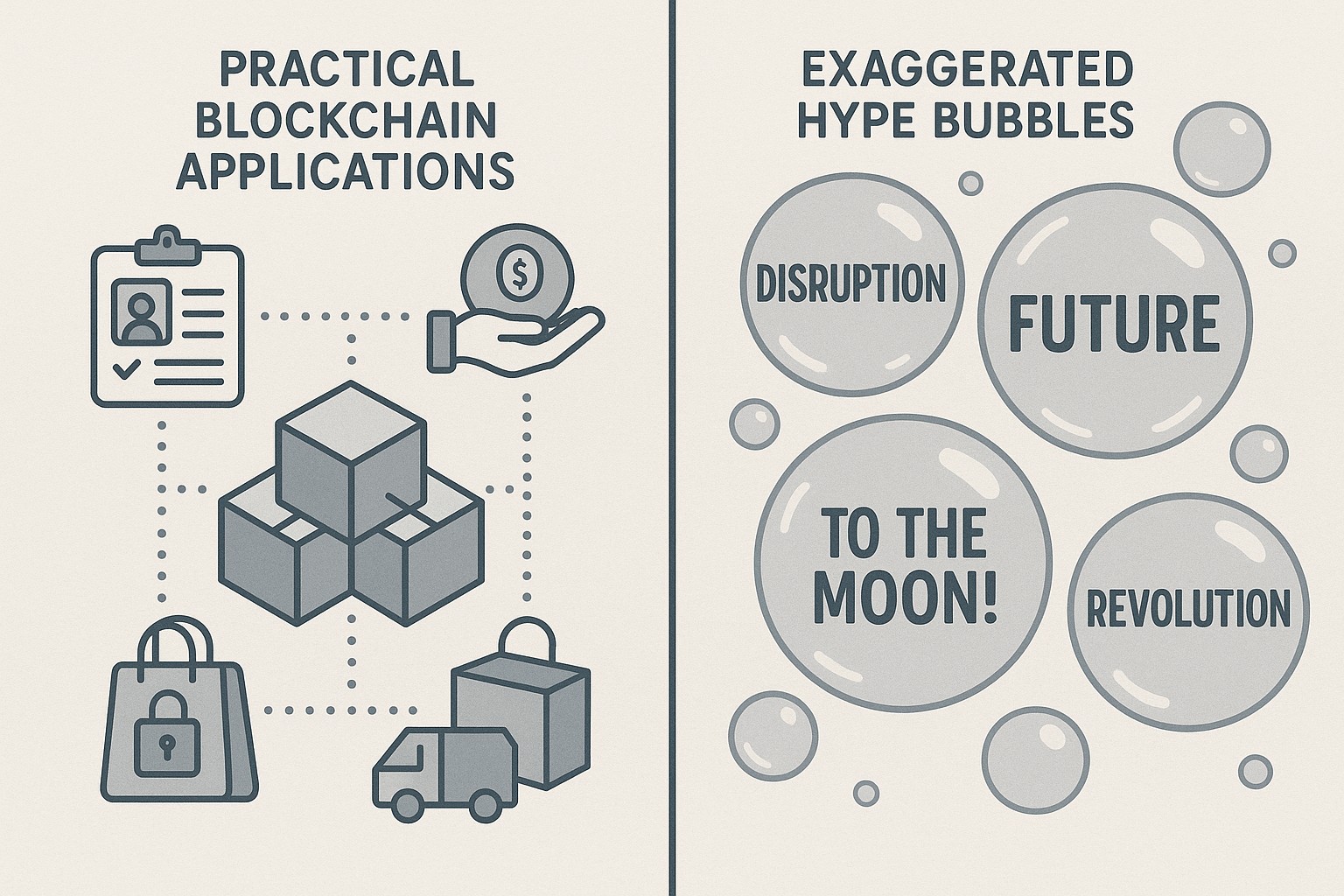
Overview: Hype vs Reality in Blockchain Use Cases
Blockchain platforms are frequently proposed as universal enablers across industries. This article evaluates proposed use cases from supply chains to governance, focusing on where blockchain delivers measurable value and where claims remain speculative.
Our framework weighs real-world constraints such as data privacy, interoperability, governance, and regulatory nuance to separate hype from value. We categorize outcomes as proven, emerging, or speculative, illustrating that disruption tends to occur where data sharing is structured, processes are automated, and participants share incentives.
- Transparency and auditability across multi-party networks
- Tamper-evident records and immutable provenance
- Automated workflows and smart-contract driven processes
- Interoperability with existing data standards and ERP systems
- Reduced reconciliation costs and improved forecasting
Supply chain and provenance
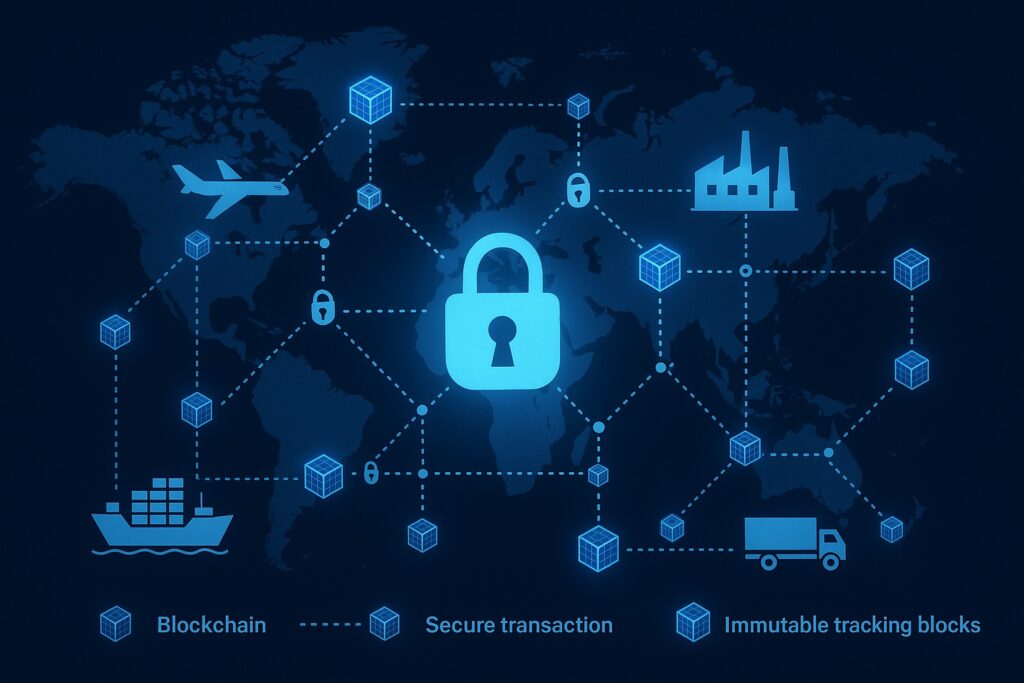
Proponents argue blockchain can enable end-to-end provenance, reduce counterfeit risk, and simplify recalls. In practice, value emerges when data is standardized and inputs are trusted at the source through sensors and shared data contributions.
Yet technology alone is not enough; governance, data quality, and cross-organization collaboration determine outcomes. Many pilots show improvements in visibility but limited impact on total cost without broader data-sharing agreements and incentives.
- Provenance tracking and batch-level visibility across suppliers
- Immutable audit trails for recalls, compliance, and supplier performance
- Streamlined documentation and reduced paperwork through automated settlements
- Onboarding with shared supplier standards and credentialing
Finance, payments, and recordkeeping
Digital asset rails and smart contracts promise faster settlement, improved reconciliation, and greater transparency in finance. Real-world value tends to grow where data models are standardized and existing payments rails can be harmonized across borders.
However, adoption hinges on regulatory alignment, custody, risk controls, and privacy safeguards. The pace of large-scale deployment is shaped by legal frameworks, interoperability with banks’ systems, and the cost of change.
| Use case | Proven value | Current status | Barriers | Notable examples |
|---|---|---|---|---|
| Cross-border payments and settlement | Moderate efficiency gains; real-time settlement in some corridors | Live pilots to limited production in several banks | Regulatory hurdles, KYC/AML, liquidity management | Bank-led consortia and pilot rails |
| Trade finance digitization | Improved data sharing and quicker financing decisions | Some live pilots and limited facilities | Standards, data quality, risk scoring | Industry consortia and regional initiatives |
| Supply chain finance tokenization | Supports collateralization and liquidity optimization | Early-stage pilots | Legal constructs, custody, regulatory | Various corporate pilot programs |
Governance, identity, and digital voting
Governance, identity, and voting on blockchains promise improved transparency and auditability for decisions, but practical adoption requires careful handling of privacy, liability, and scalability concerns. In many contexts, blockchain serves best as a tool to automate workflows and enforce consistency rather than to replace established governance processes.
In public-sector or corporate governance, blockchain can enhance traceability and accountability, while still relying on off-chain inputs and human judgment for final decisions. The value emerges when it complements existing structures, delivering clearer audit trails and faster approvals when data quality and incentives align.
- Privacy and data minimization in public ledgers
- Regulatory compliance and enforceability of on-chain decisions
- Identity verification, attestation, and revocation mechanisms
- On-chain voting versus off-chain decision-making and quorum management
- Interoperability with legacy identity and access management systems
What is the main value blockchain delivers in complex supply chains?
The main value lies in improved provenance, tamper-evident records, and streamlined documentation across multiple parties, but realized value depends on data quality and the willingness to share under agreed governance.
Are there use cases where blockchain is clearly not worth implementing?
Yes, when there is no multi-party data sharing, when centralized databases suffice, or when the cost and complexity outweigh any marginal gains; privacy and performance concerns can also reduce benefits.
How do regulatory and privacy concerns affect adoption?
Regulation shapes data localization, KYC/AML, and liability; privacy-preserving techniques and permissioned networks help, but alignment with law is critical. Early pilots should consider data minimization and auditability to build trust.
What industries are most likely to realize real benefits in the next 5-10 years?
Industries with high data exchange, cross-organizational processes, and incentives to automate audits—supply chains, financial services, healthcare records, and public-sector governance—are most likely to see durable value.