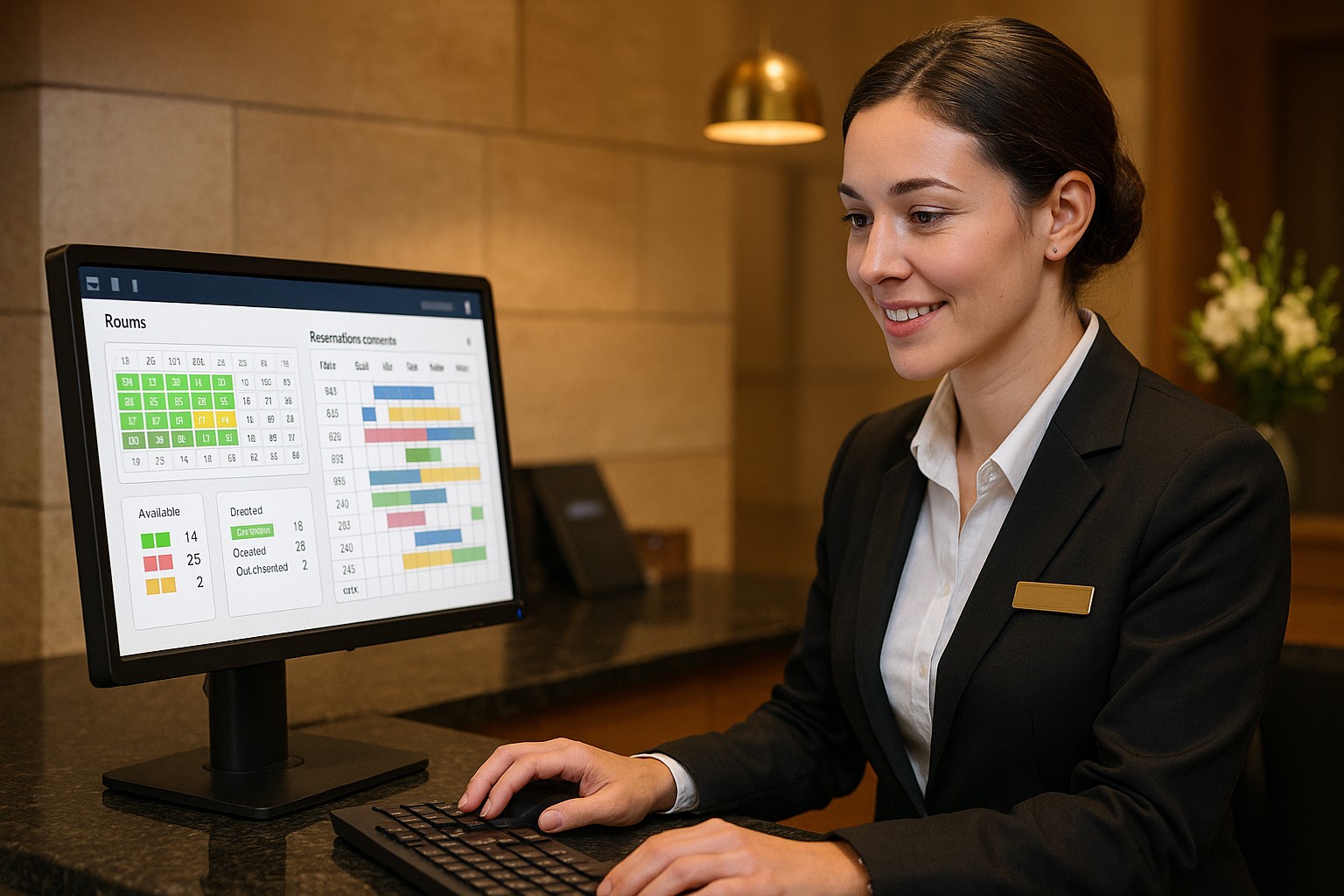
Overview of SynXis Property Management System (SPMS) SynXis Property Management System (SPMS) is a cloud-first platform designed to streamline hotel operations by consolidating guest management, reservations, housekeeping, billing, and reporting
Discover expert insights and practical guides in IT Strategy & Management. Learn key trends, tools, and strategies to improve your skills and drive business results.
Overview of SynXis Property Management System (SPMS) SynXis Property Management System (SPMS) is a cloud-first platform designed to streamline hotel operations by consolidating guest management, reservations, housekeeping, billing, and reporting
Green IT in IT Operations: an overview Green IT has moved from a niche concern to a core discipline within IT operations. It centers on reducing the environmental impact of
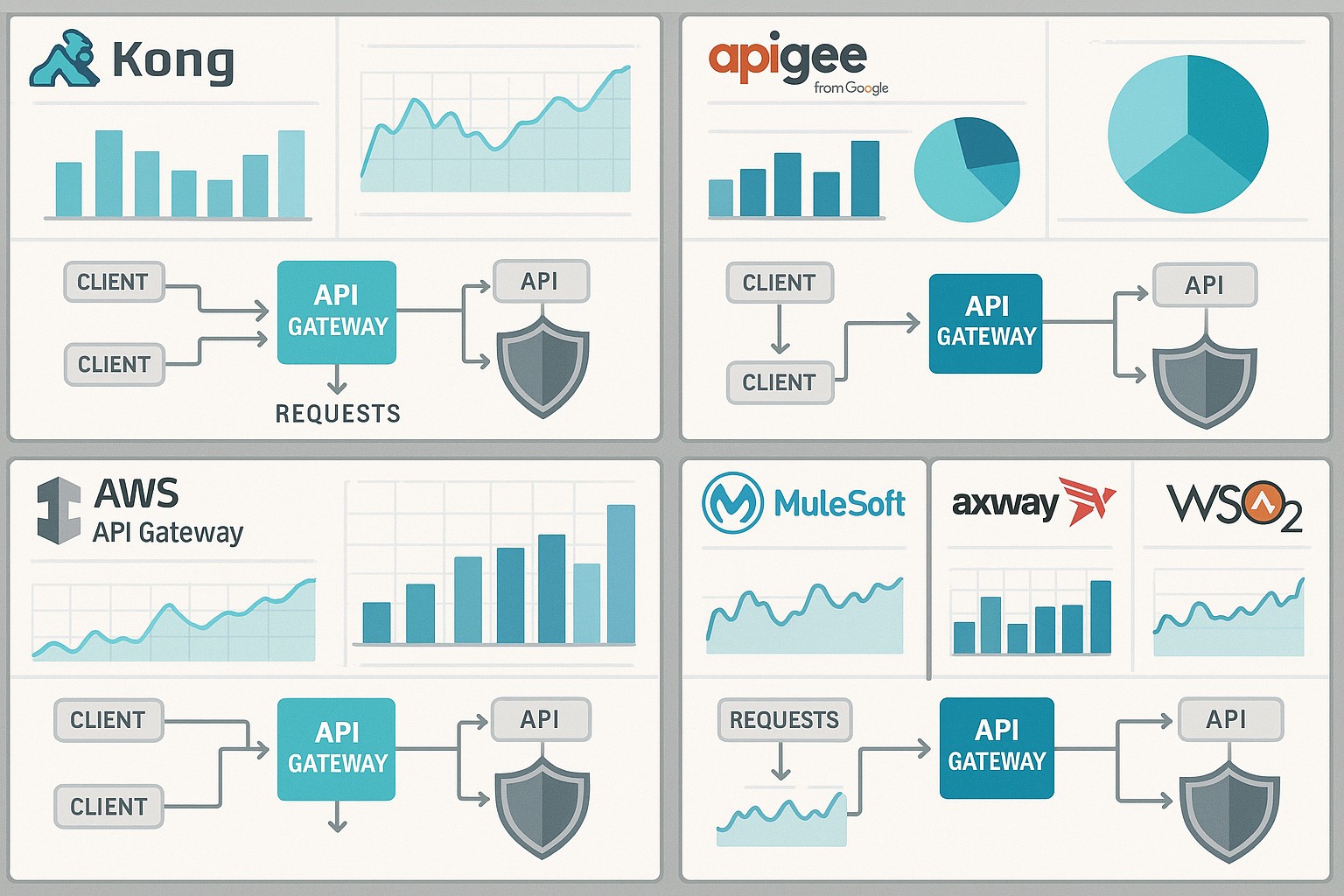
Overview of top API management platforms In today’s API-driven economy, organizations rely on robust API management platforms to secure, publish, monitor, and monetize their digital services. A well-chosen solution can
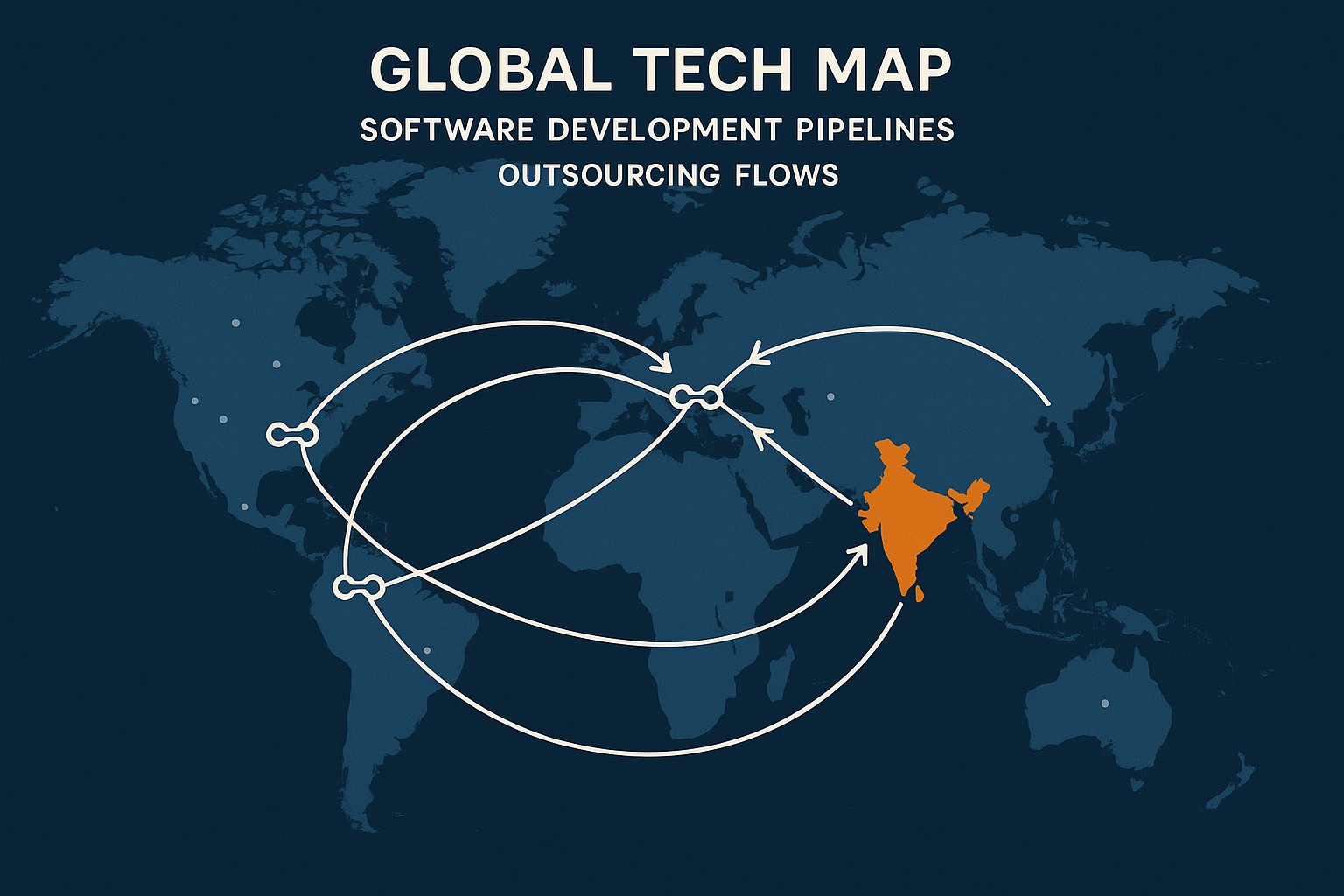
Cost and Productivity: India Compared with Other Regions In the realm of offshore software development, cost is rarely the sole determinant of value. Companies face a broader set of trade-offs
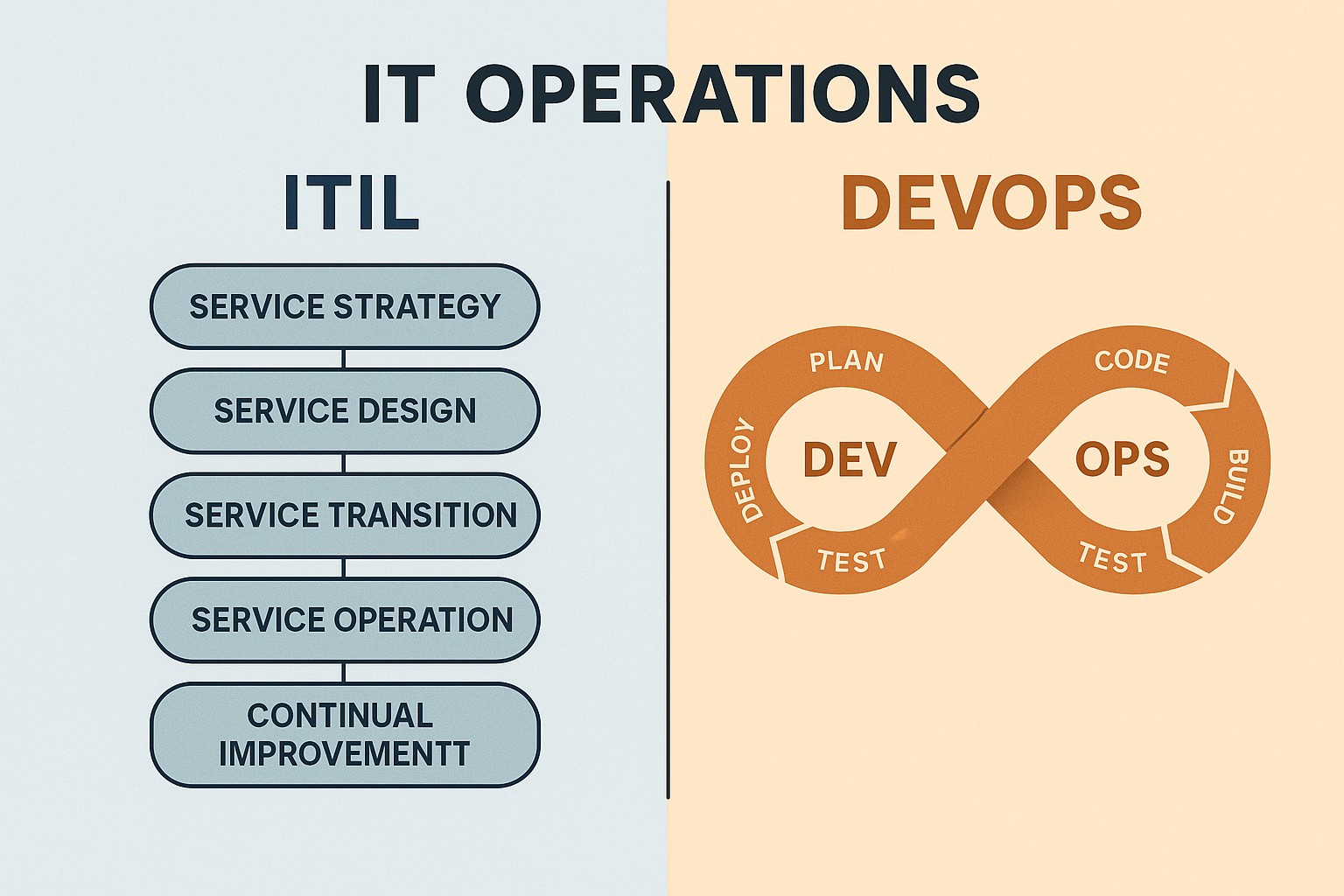
Understanding ITIL and DevOps: Core Principles ITIL, or the Information Technology Infrastructure Library, represents a mature, structured approach to IT service management. It provides a catalog of best practices organized
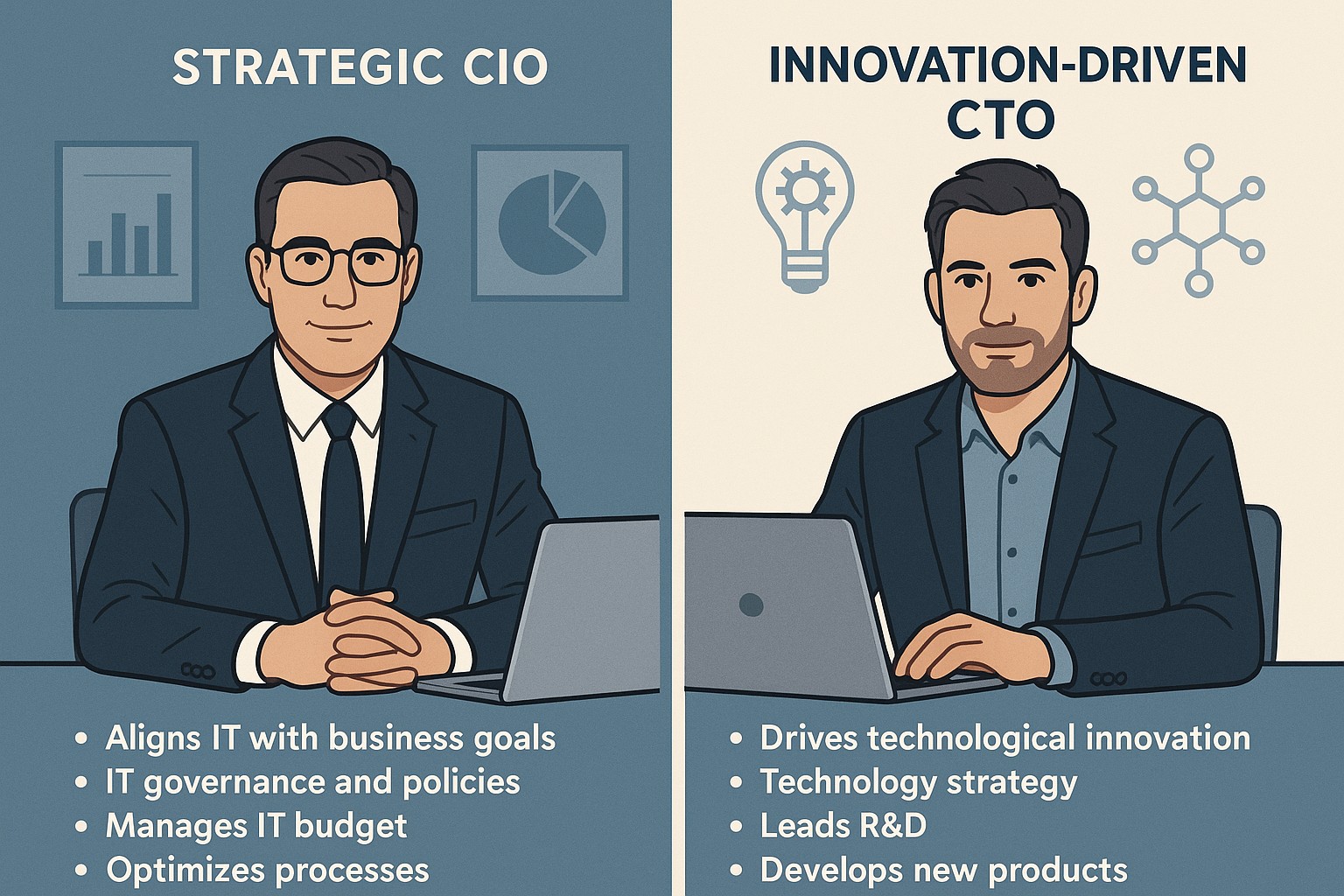
CTO vs CIO: Distinct Lenses on Technology Leadership Across industries, the CTO and CIO occupy distinct but overlapping domains in technology leadership. The CTO tends to own the external technology
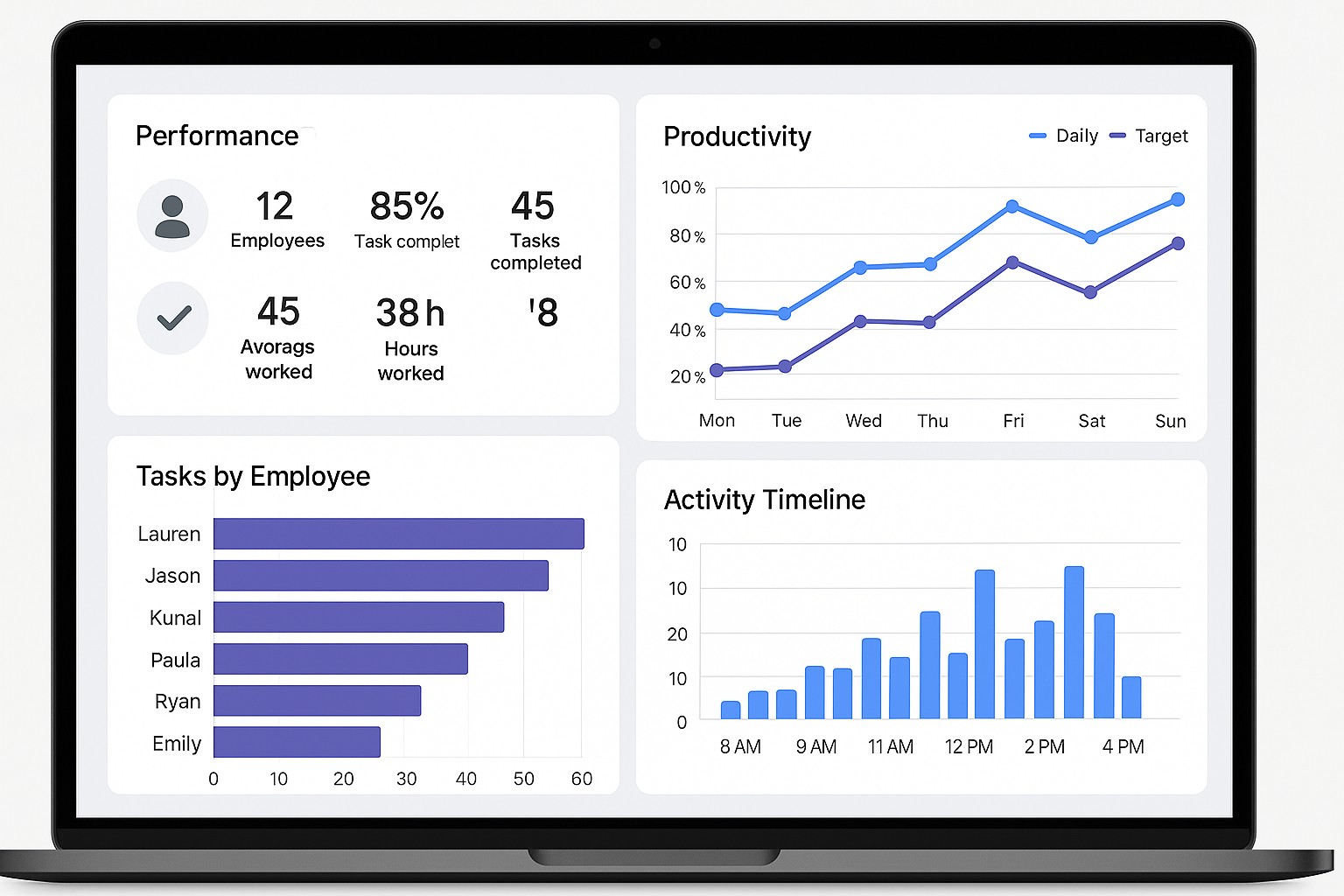
Overview: Why software-based tracking matters Effective measurement of performance relies on reliable data, integrated workflows, and alignment with organizational objectives. Software-based tracking provides continuous visibility across work patterns, enabling managers

Overview: strategic choices for workplace communication In modern organizations, the choice between Slack and Microsoft Teams often hinges on ecosystem alignment, governance requirements, and the desired balance between developer-friendly workflows
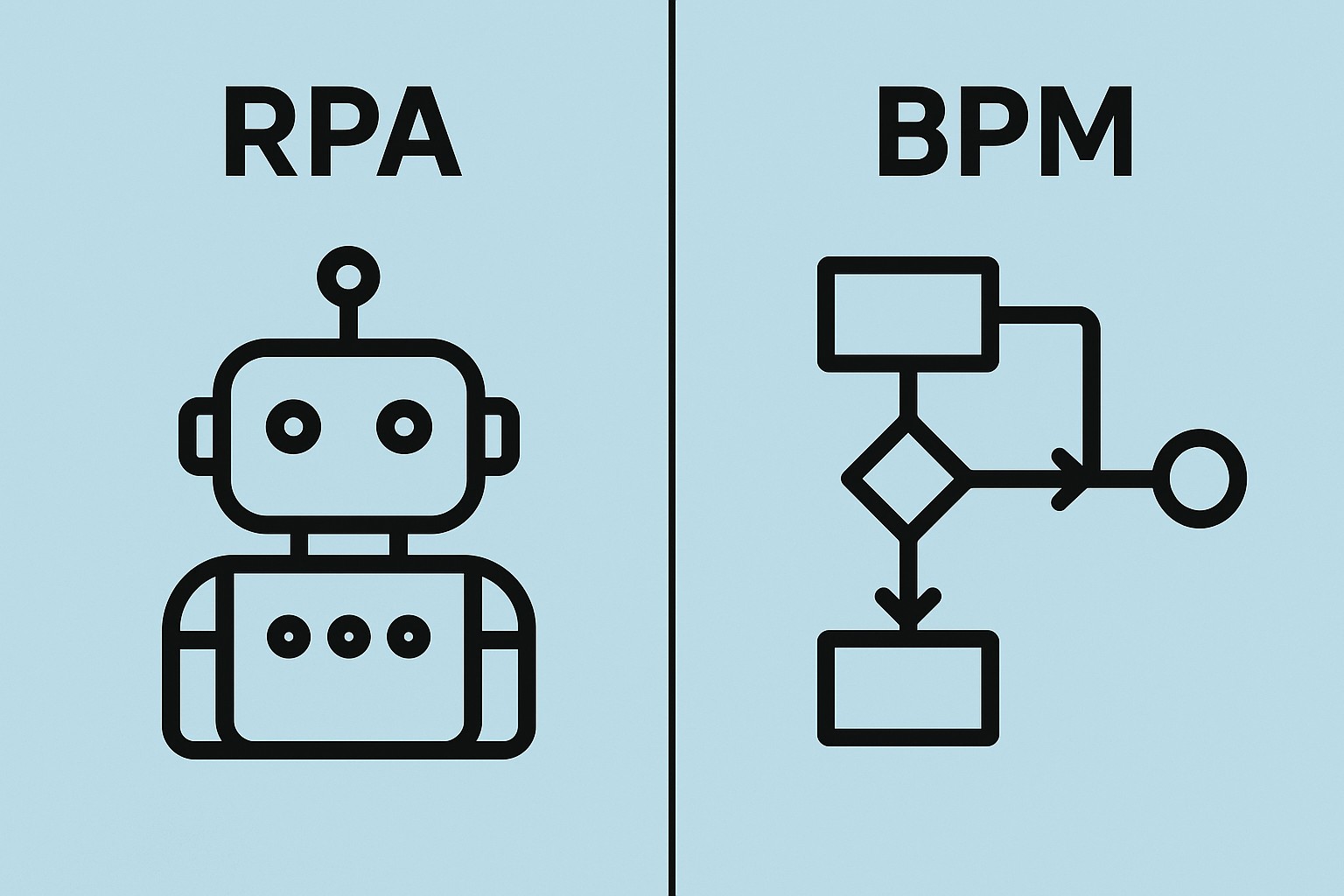
RPA and BPM: definitions and core differences Robotic Process Automation (RPA) and Business Process Management (BPM) are two pillars of modern enterprise automation. RPA focuses on executing repetitive, rule-based tasks
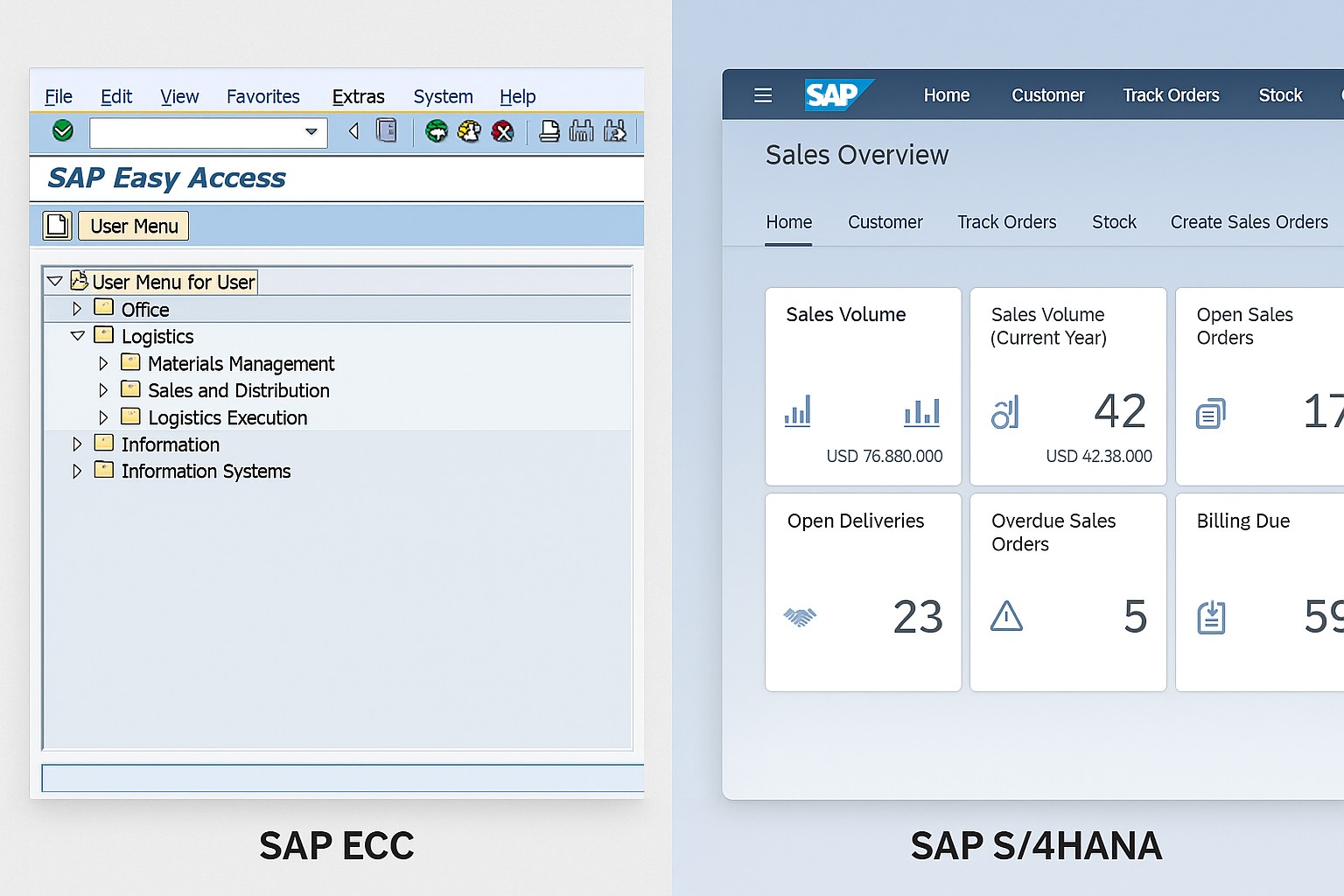
Overview: SAP ECC vs SAP S/4HANA SAP ECC has served as the backbone of many global enterprises for years, delivering core enterprise processes across finance, procurement, manufacturing, and logistics. Yet