Now Reading: Front-end vs Back-end Development: Key Differences and Roles
-
01
Front-end vs Back-end Development: Key Differences and Roles

Front-end Development: Scope, Responsibilities, and Outcomes
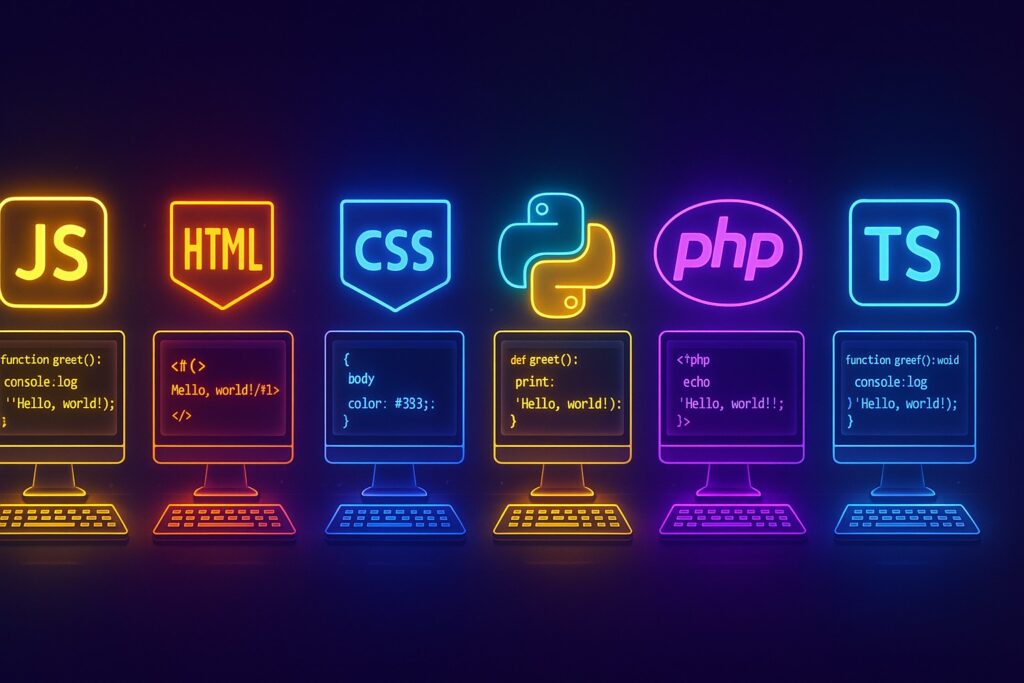
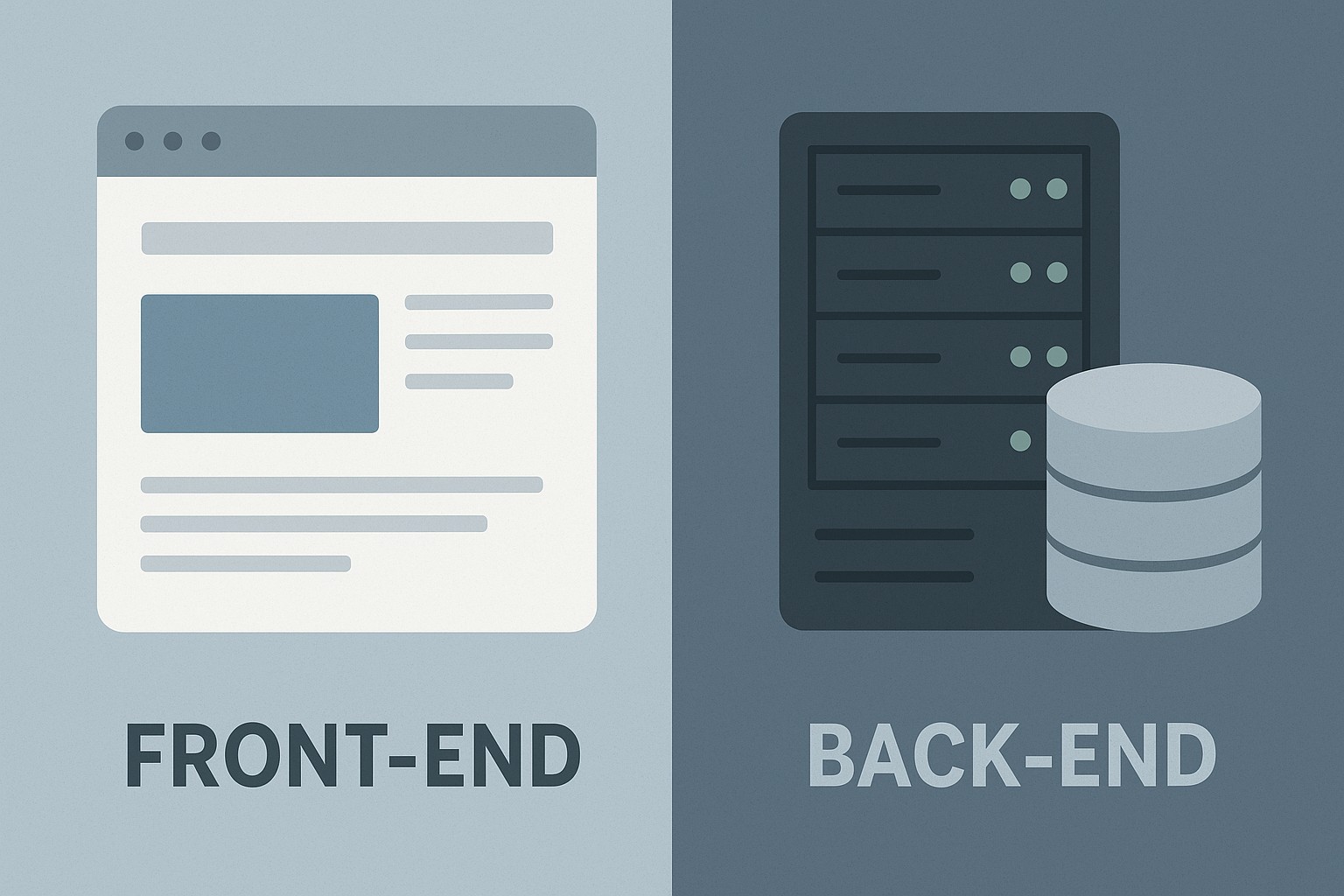
Front-end development focuses on what users see and interact with in a web application. It encompasses the structure, presentation, and interaction layer built with HTML, CSS, and JavaScript, complemented by frameworks and tooling that support scalable UI architectures. The front-end translates product requirements into accessible interfaces, while considering performance, accessibility, and responsive behavior across devices and browsers. In modern teams, front-end work often collaborates closely with design and product to ensure ideals of usability and visual fidelity are realized in a robust, maintainable form. The outcomes are interfaces that are both attractive and reliable, capable of adapting to different screen sizes and accessibility needs without compromising behavior or user experience.
Core responsibilities include translating design systems into code, implementing interactive components, optimizing assets for speed, and ensuring the interface remains usable when JavaScript is unavailable or when network conditions are variable. Front-end developers address accessibility guidelines, semantic markup, and progressive enhancement, all while ensuring compatibility across major browsers and devices. They also champion performance and maintainability by writing clean, reusable components, documenting UI contracts, and participating in design reviews to prevent drift between intended and implemented experiences. The consequence is an engaging user experience that supports business goals, from conversion funnels to user satisfaction metrics.
- Build accessible, responsive user interfaces using HTML, CSS, JavaScript, and modern frameworks (React, Vue, Angular).
- Implement performance optimizations, including the critical rendering path reduction, code splitting, and asset optimization to ensure fast Time to Interactive.
- Collaborate with designers and back-end developers to deliver cohesive user experiences, following established design tokens, style guides, and component libraries.
Back-end Development: Scope, Responsibilities, and Outcomes
Back-end development handles the server-side logic that powers applications. It involves designing data models, building APIs, implementing business rules, and ensuring reliable data flows between servers, databases, and client applications. The back end sits behind the scenes, but it is the engine that enables features such as authentication, data validation, and integrations with external services. Skilled back-end developers balance correctness, performance, and security to deliver robust systems that scale with user demand. The outcomes include APIs that are well-documented, secure, and resilient under load, along with data stores and services that reliably support front-end features and external integrations.
Key responsibilities include API design, database schema management, caching strategies, security hardening, and monitoring. They work closely with front-end teams to define contract-based interfaces and with DevOps professionals to ensure reliable deployment pipelines. The results are reliable data access, secure operations, and maintainable services that can be extended as business needs evolve. Effective back-end work also considers observability, incident response readiness, and proper versioning so that integrations remain stable over time as the product evolves.
- Design and implement server-side logic, APIs, and data models that reflect business rules and performance needs.
- Ensure security, data integrity, and robust error handling through practices such as input validation, authentication, and authorization.
- Manage databases, caching layers, background processes, and integration with external services or microservices.
Key Technologies, Skills, and the Tech Stack
The technology landscape for front-end and back-end development covers a broad spectrum. Many teams maintain a unified approach to the stack, with defined interfaces and shared standards to reduce handoffs and rework. This section highlights common technologies and the mix of skills that teams expect in roles across both sides of development. Note how some languages and tools serve multiple purposes, while others remain specialized to a layer of the stack. Understanding where a technology fits helps teams communicate effectively and build scalable architectures that stand the test of time.
For example, is Ruby front end or back end? Ruby is typically categorized as a back-end language when used in frameworks like Ruby on Rails or Sinatra. While you can use Ruby to generate templates or utilities that influence the client side, the language’s primary strengths lie in server-side logic, data processing, and API construction. Understanding these distinctions supports better team alignment, risk management, and realistic project planning.
- Front-end: HTML5, CSS3, JavaScript/TypeScript, and modern frameworks such as React, Vue, or Angular; CSS-in-JS and design tokens for scalable styling; build tooling like Webpack, Vite, or Parcel; testing frameworks such as Jest or Cypress.
- Back-end: server-side languages and frameworks such as Node.js, Python (Django, FastAPI), Ruby on Rails, Java (Spring), .NET; relational and NoSQL databases; API design and authentication protocols; containerization and orchestration basics.
Collaboration, Roles, and Career Paths
The most successful product teams align front-end and back-end developers with product managers, designers, and QA specialists through clear processes and shared goals. Communication, documentation, and a culture of feedback drive faster delivery and higher quality releases. Career growth in this space often follows a path from specialist to broader roles, with opportunities to deepen expertise or expand responsibilities into architecture, platform, or product strategy. Teams that establish common standards—such as a shared design system, API contracts, and automated testing—tend to move faster while maintaining quality as the product scales.
Cross-functional collaboration requires a common vocabulary, well-defined interfaces, and reliable testing practices. As teams mature, you’ll see front-end engineers taking ownership of component libraries and accessibility standards, while back-end engineers focus on API quality, data governance, and service reliability. For individuals, the trajectory can include roles such as Front-end Developer, Senior Front-end Engineer, Full-Stack Developer, UI/UX Engineer, and Platform or DevOps-focused tracks. The emphasis is on delivering value to users while maintaining maintainable, scalable systems that can adapt to changing business requirements.
- Front-end path: junior to senior front-end developer, UI/UX engineer, or front-end architect, with specialization in performance, accessibility, or design systems.
- Back-end path: junior to senior back-end developer, API designer, principal engineer, or platform architect, with focus areas in security or data engineering.
- Cross-functional or full-stack roles: emphasize integration, end-to-end ownership, and the ability to span multiple layers of the stack.
Performance, Quality, and Delivery Practices
Across both front-end and back-end disciplines, performance, quality, and delivery discipline shape user satisfaction and business outcomes. Teams implement testing strategies, monitoring, and automation to detect issues early and maintain confidence in releases. A mature approach includes automated tests at multiple levels, performance budgets, and continuous delivery practices that align with product objectives and compliance requirements. Establishing robust standards for code review, branching strategies, and release planning helps teams synchronize across specialties and deliver features with measurable impact.
Operational excellence also requires proper observability, versioning of APIs, and clear rollback plans. When new features are rolled out, teams monitor real-user metrics, error rates, and impact on core business metrics. The goal is to maintain a healthy product ecosystem where changes are predictable, reversible, and measurable against defined success criteria. In practice, this means balancing speed with reliability, investing in developer experience, and continuously refining processes to reduce friction without sacrificing quality or security.
What is the primary difference between front-end and back-end development?
Front-end focuses on the user interface, experience, and client-side behavior, while back-end handles server-side logic, data management, and APIs. Both layers must work together to deliver functionality and performance, with clear contracts that define how components communicate and how data flows between client and server.
Can a developer be both front-end and back-end (full-stack)?
Yes. Full-stack developers have competencies across both layers, enabling them to design, implement, and maintain features end-to-end. They often excel at bridging communication between disciplines and diagnosing cross-layer issues, while still benefiting from specialization in areas such as performance, security, or scalability.
Where does Ruby fit in the stack?
Ruby is primarily a back-end language when used with frameworks like Rails or Sinatra. It may be used to generate server-side HTML or JSON APIs; it is not commonly used as a client-side language for browser execution. JavaScript remains the dominant client-side language, though Ruby’s ecosystem can influence tooling, testing, or server-side rendering strategies that support front-end workflows.
What metrics indicate a healthy front-end or back-end system?
For front-end, metrics include metrics such as Largest Contentful Paint (LCP), First Contentful Paint (FCP), Time to Interactive (TTI), Cumulative Layout Shift (CLS), bundle size, and accessibility scores. For back-end, metrics include request latency, error rate, throughput, CPU/memory usage, and database query performance. A healthy system maintains low latency, high availability, and predictable failure modes while meeting defined service level objectives.
How do teams decide which parts of the stack to own or share?
Decision factors include team structure, domain boundaries, scalability requirements, and the pace of delivery. Clear API contracts, interface definitions, and governance around common components help determine ownership and minimize handoffs while enabling teams to move quickly. Organizations often favor accountable ownership with well-documented interfaces to prevent bottlenecks and ensure maintainability across evolving product needs.