Now Reading: How to Track Employee Performance with Software Tools
-
01
How to Track Employee Performance with Software Tools

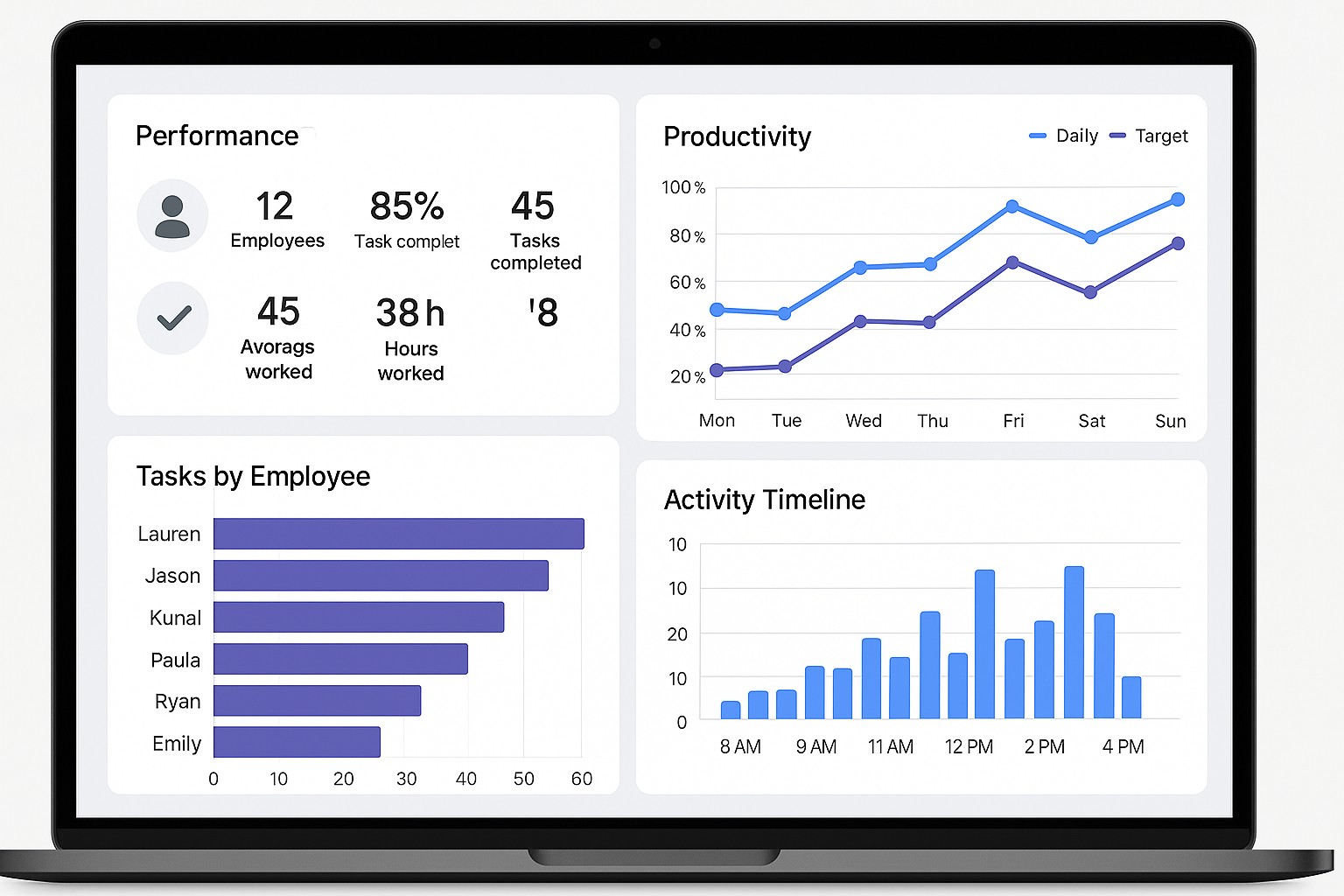
Overview: Why software-based tracking matters
Effective measurement of performance relies on reliable data, integrated workflows, and alignment with organizational objectives. Software-based tracking provides continuous visibility across work patterns, enabling managers to identify bottlenecks, set realistic improvement plans, and support employees with timely feedback. When implemented thoughtfully, these tools balance productivity insights with trust and autonomy.
This approach goes beyond traditional annual reviews by delivering ongoing signals rather than retrospective judgments. It emphasizes outcomes, quality, and collaboration, while respecting privacy and legal constraints. The result is a clearer, data-informed picture of individual and team performance, empowering smarter decisions and a culture of continuous improvement.
Core Tools for Tracking Performance
Core tools come in several families that, when integrated, create a coherent performance ecosystem.
- Productivity and time-tracking tools (e.g., task timers, activity logs, project dashboards) to surface work patterns and throughput without micromanaging daily steps.
- Goal management and OKR platforms to align individual contribution with strategic objectives and track progress over time.
- Feedback and performance review systems to capture qualitative input, peer observations, and supervisor assessments in a structured cadence.
Choosing tools that respect privacy, provide clear data ownership, and integrate with existing workflows helps ensure adoption and meaningful insights.
Designing a Measurement Framework
To transform raw data into actionable insight, design a measurement framework with clear scope, metrics, and governance.
- Define objectives and success criteria that reflect business outcomes and employee development goals.
- Identify leading and lagging metrics that are relevant, measurable, and not easily gamed.
- Establish baselines and targets, with documented methodologies and data sources to ensure reproducibility.
- Set governance for data access, privacy, retention, and usage policies to protect employee rights and comply with regulations.
- Review cadence and adapt the framework based on feedback from teams and changing objectives.
This structured approach helps teams translate data into concrete actions rather than raw numbers.
Implementing with a Team-First Approach
Technology alone cannot drive sustained improvement; success depends on culture, clear expectations, and constructive collaboration.
Involve employees in tool selection, show how data will be used, and provide training and support. Transparent governance and opt-in choices for certain data types help reduce resistance and build trust. A well-communicated plan that links data signals to coaching and development tends to improve uptake and outcomes.
If people see the metrics as a lever for growth rather than a surveillance mechanism, adoption increases and results follow.
Leaders should model the behavior they want to see, demonstrate value, and address concerns proactively. When teams feel ownership over the process, the data becomes a shared resource for improvement rather than a source of anxiety.
Data Privacy and Ethics in Monitoring
Data minimization and purpose limitation are foundational principles. Collect only data necessary to measure agreed-upon objectives and provide employees with visibility into what is captured.
Implement role-based access, secure storage, and retention policies. Regular audits and a clear escalation path for concerns help maintain trust and accountability. Be mindful of jurisdictional requirements and consult legal or HR colleagues when policy changes are contemplated.
Organizations that embed privacy-by-design into their measurement framework are better positioned to sustain long-term adoption and minimize risk.
Best Practices for Actionable Feedback
Raw data should feed conversations, not replace them. Structure feedback to be specific, timely, and oriented toward behavior and results.
Combine quantitative signals with qualitative context to avoid misinterpretation. Pair data with coaching, development plans, and recognition to reinforce positive change. Ensuring feedback is balanced, forward-looking, and actionable helps employees connect insight to tangible development steps.
| Feedback Type | Recommended Frequency | Tips |
|---|---|---|
| Quantitative performance metrics | Weekly or biweekly | Highlight trends, avoid single-point judgments, link to objectives |
| Qualitative feedback from peers | Monthly | Provide concrete examples and observable behaviors |
| Self-reflection and development prompts | Quarterly | Connect prompts to a personal development plan |
FAQ
What are the primary benefits of software-based tracking?
Software-based tracking provides ongoing visibility into work patterns, enabling timely feedback, better alignment with goals, and data-driven decision making. When designed with privacy and trust in mind, it can reduce biases in evaluations and help teams focus on meaningful improvements rather than episodic judgments.
How do you avoid turning tracking into surveillance?
Avoid surveillance by clarifying purpose, limiting data collection to what is necessary, offering transparency about who can access data, and giving employees control over sensitive data. Use aggregated or role-based views for team-level decisions, provide clear opt-in options where appropriate, and tie data use to coaching and development rather than punitive measures.
Which metrics matter most for most teams?
Focus on metrics that tie directly to business outcomes and employee development, such as quality of work, cycle time, collaboration indicators, and customer impact. Avoid vanity metrics that reflect activity without meaningful outcomes. Regularly revisit metrics to ensure they remain aligned with evolving objectives.
How often should you review performance data with employees?
Adopt a cadence that blends frequent check-ins with deeper reviews. Weekly or biweekly quick updates can accompany monthly qualitative conversations and quarterly formal reviews. The key is consistency, relevance, and the opportunity to adjust goals based on feedback and changing conditions.