





Green IT in IT Operations: an overview Green IT has moved from a niche concern to a core discipline within IT operations. It centers on reducing the environmental impact of
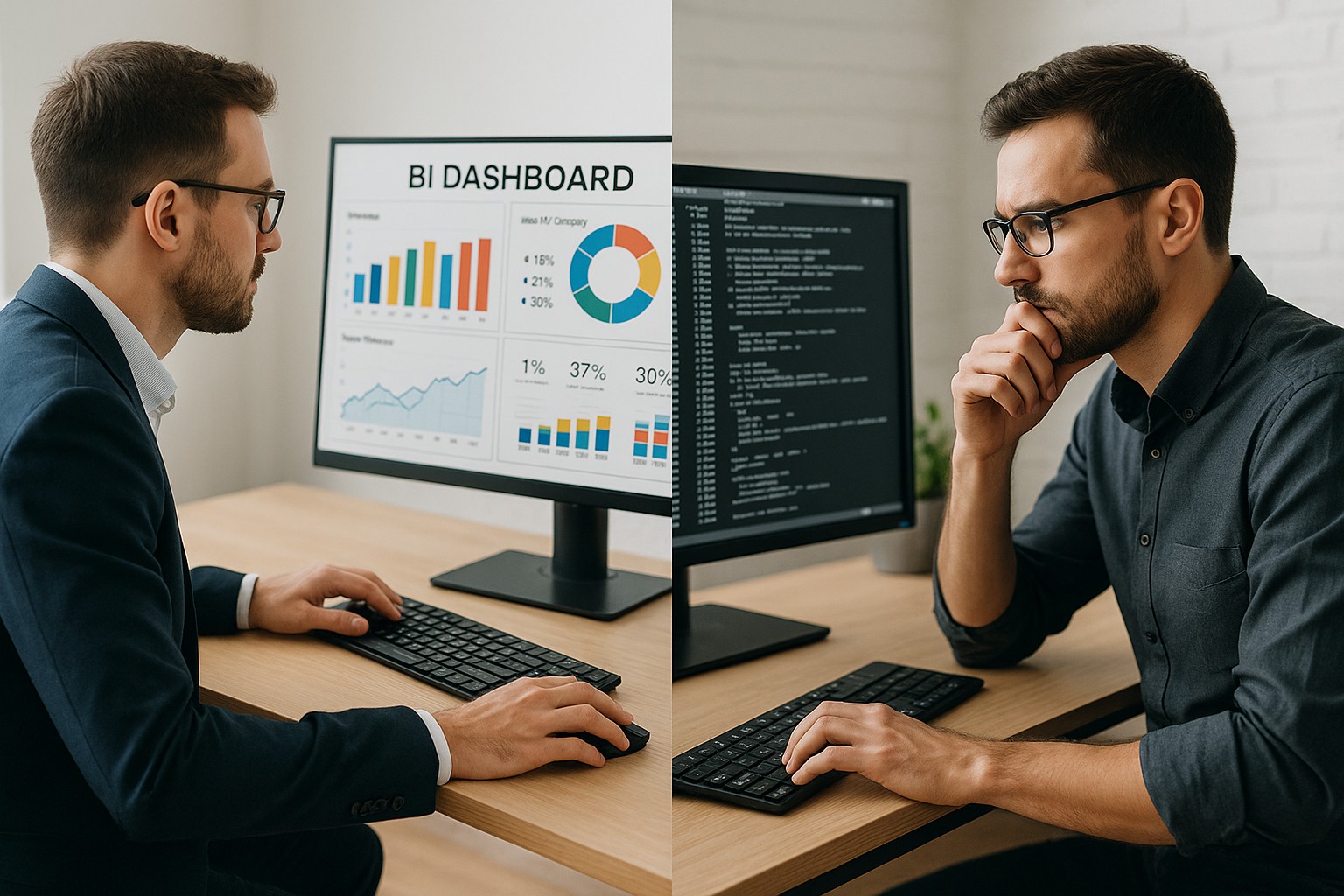
What BI Is and How It Serves the Organization BI is the discipline focused on turning data into reliable, timely information that supports day-to-day and strategic decision-making through dashboards, reports,
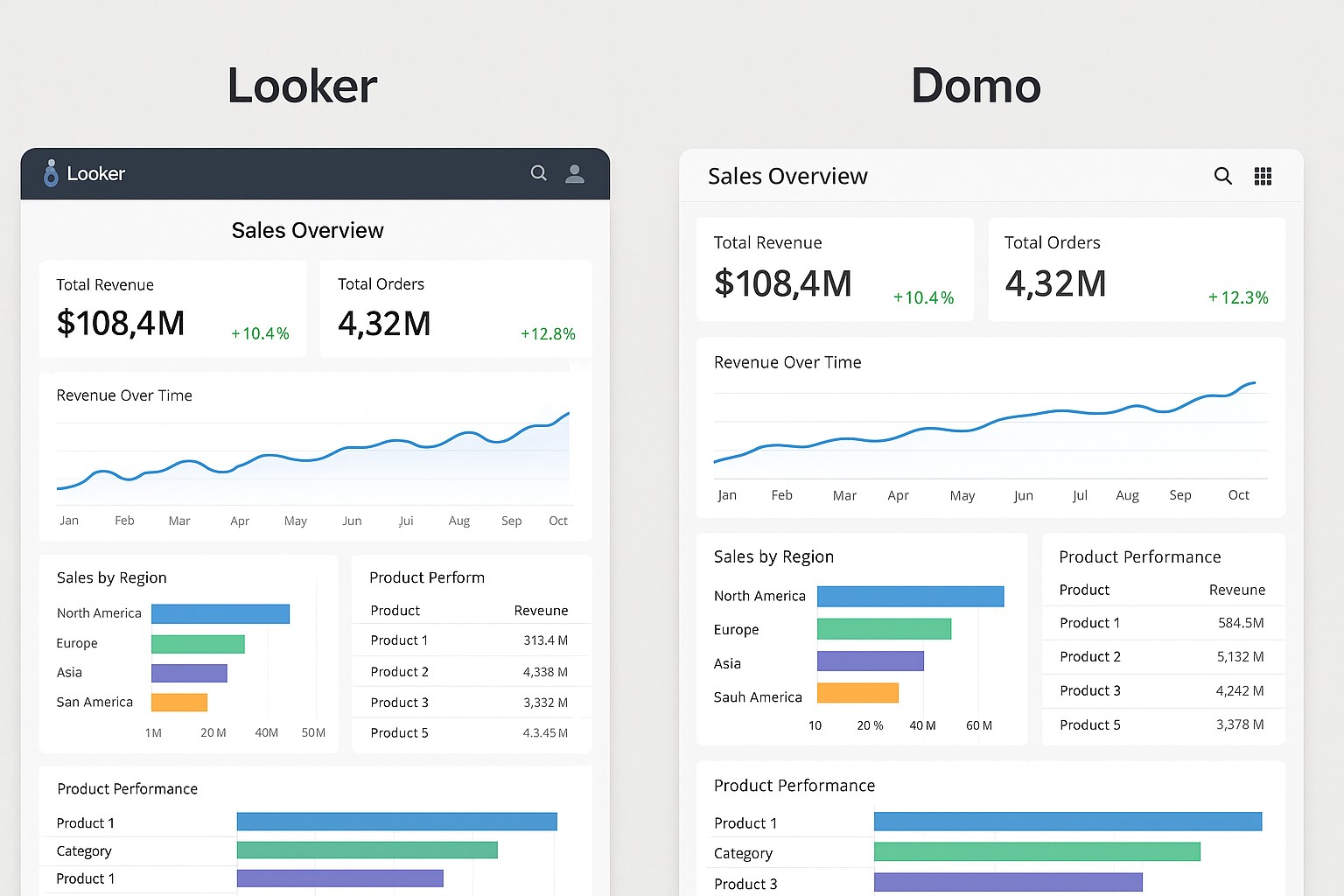
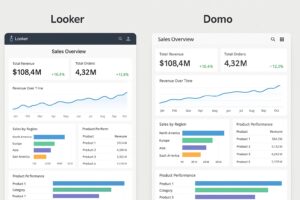
Overview: Looker vs Domo in the BI landscape Looker and Domo sit at the intersection of data visualization, analytics, and decision intelligence for modern organizations. Looker, now part of Google
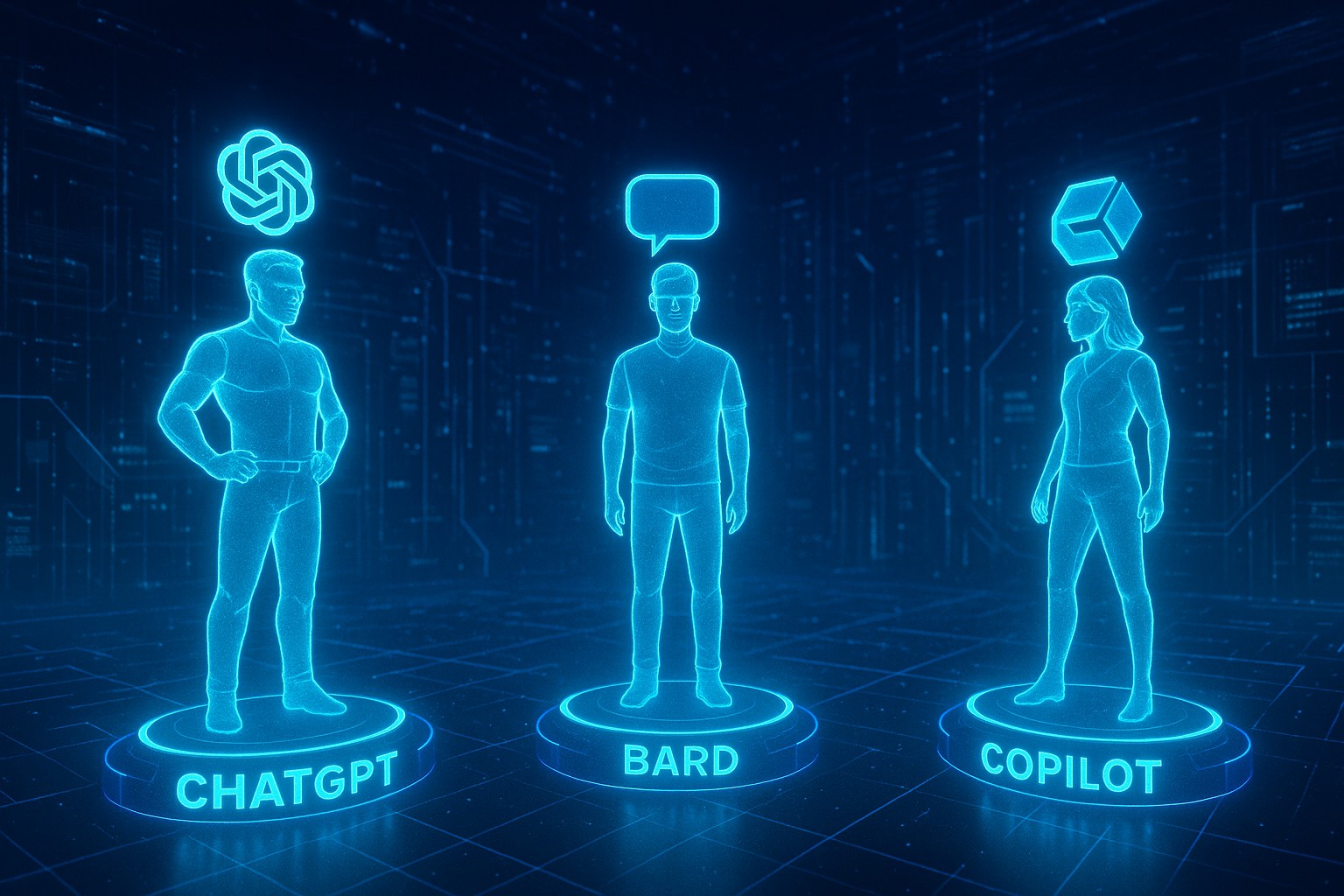
Market landscape and the players you should know In enterprise AI today, organizations evaluating conversational AI and developer tooling encounter a diverse landscape shaped by use-case demands, governance requirements, and

Executive overview: The AI Audio Revolution shaping media, marketing, and product strategy The convergence of voice cloning and AI-generated music is redefining how organizations create, curate, and distribute audio content.

Overview of SynXis Property Management System (SPMS) SynXis Property Management System (SPMS) is a cloud-first platform designed to streamline hotel operations by consolidating guest management, reservations, housekeeping, billing, and reporting
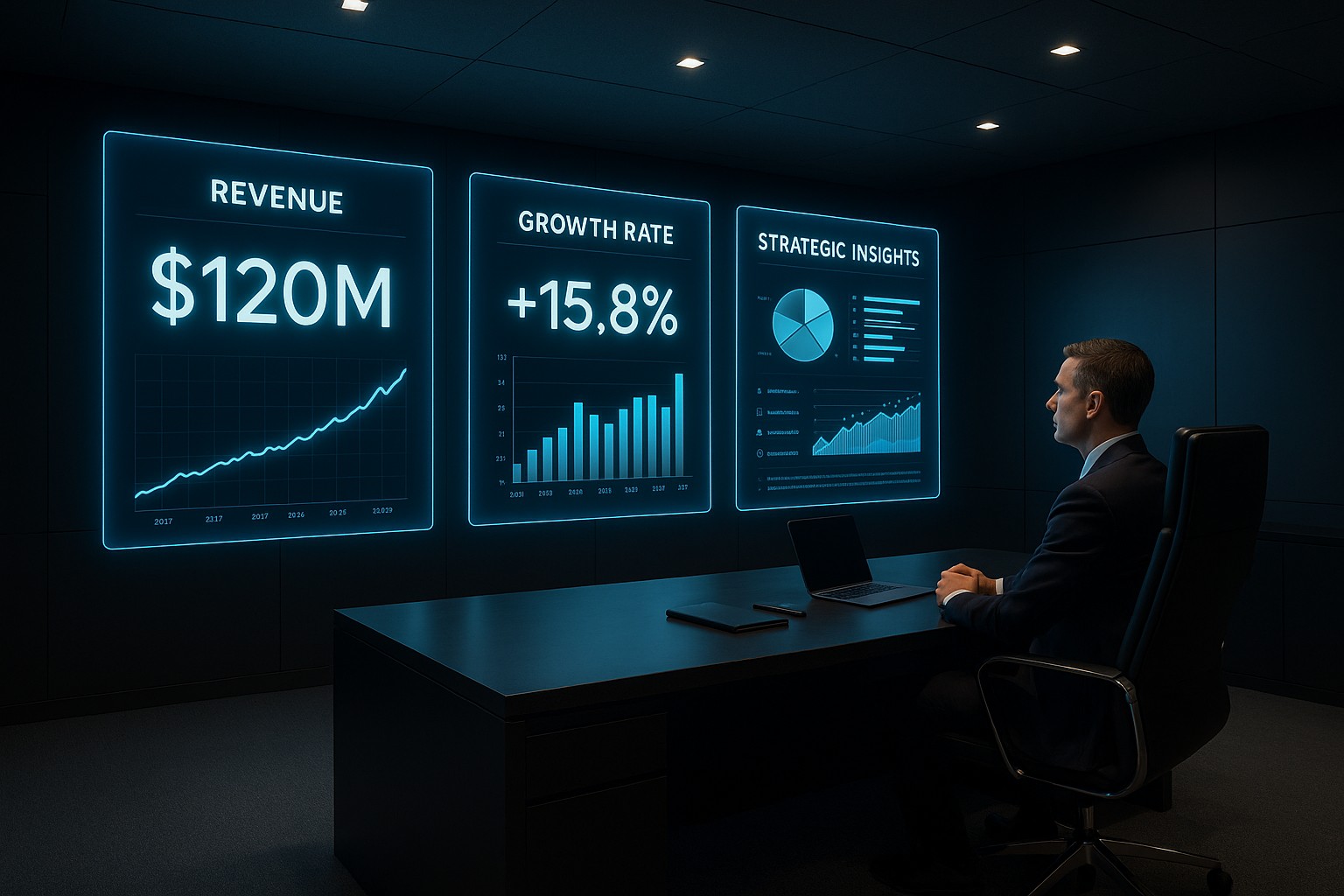
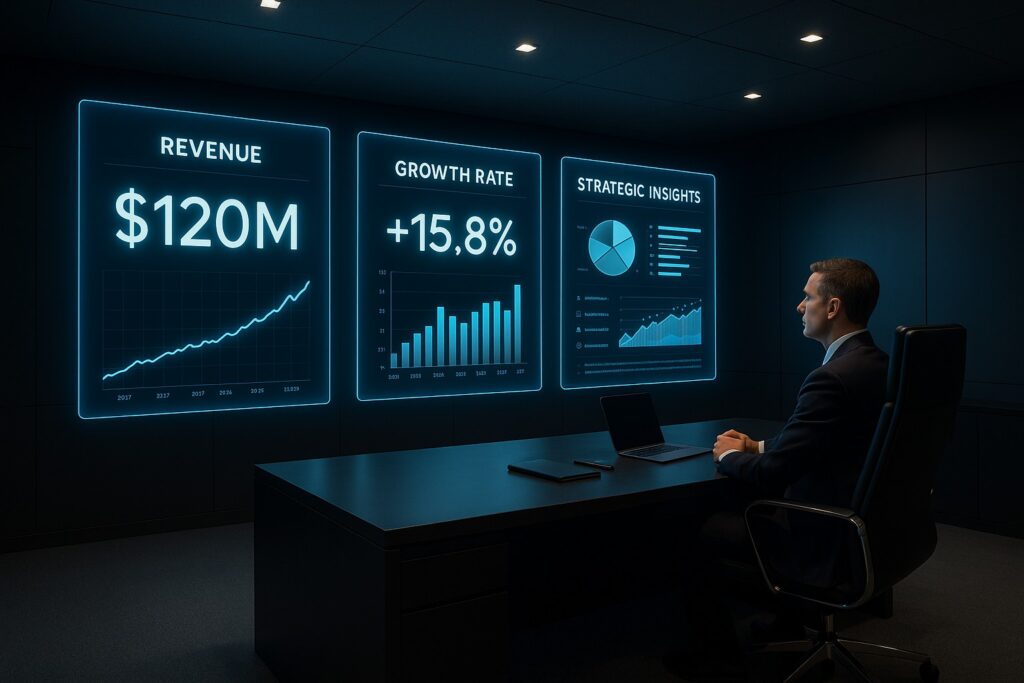
Executive dashboards: purpose and value for the C-suite Executive dashboards serve as a concise, decision‑ready interface to a company’s strategic reality. For the C-suite, they translate disparate data streams—from finance,
Green IT in IT Operations: an overview Green IT has moved from a niche concern to a core discipline within IT operations. It centers on reducing the environmental impact of
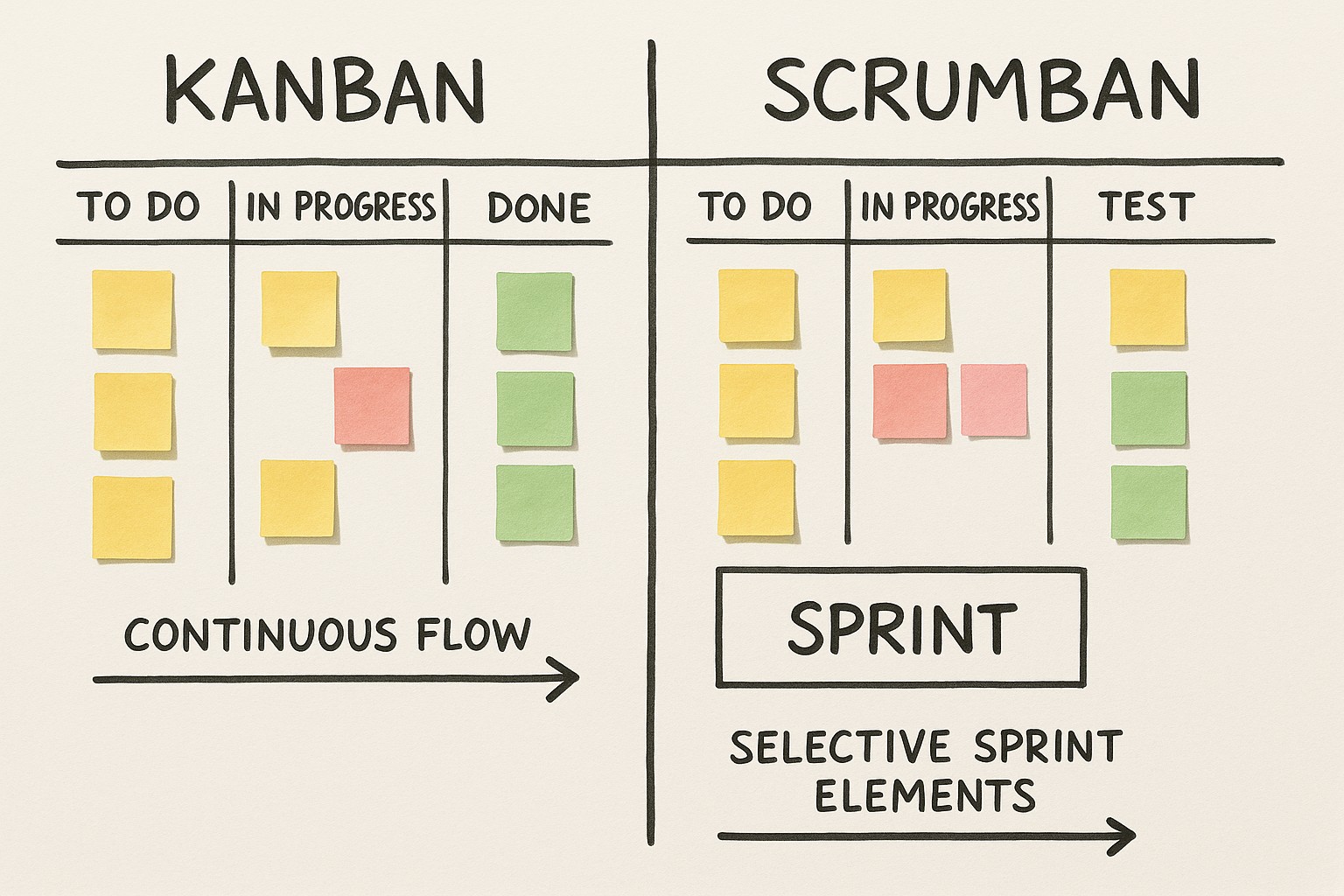
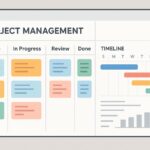
Kanban and Scrumban in context Kanban originated in manufacturing and was adopted by software development and knowledge work to visualize work, limit work in progress (WIP), and optimize flow. It
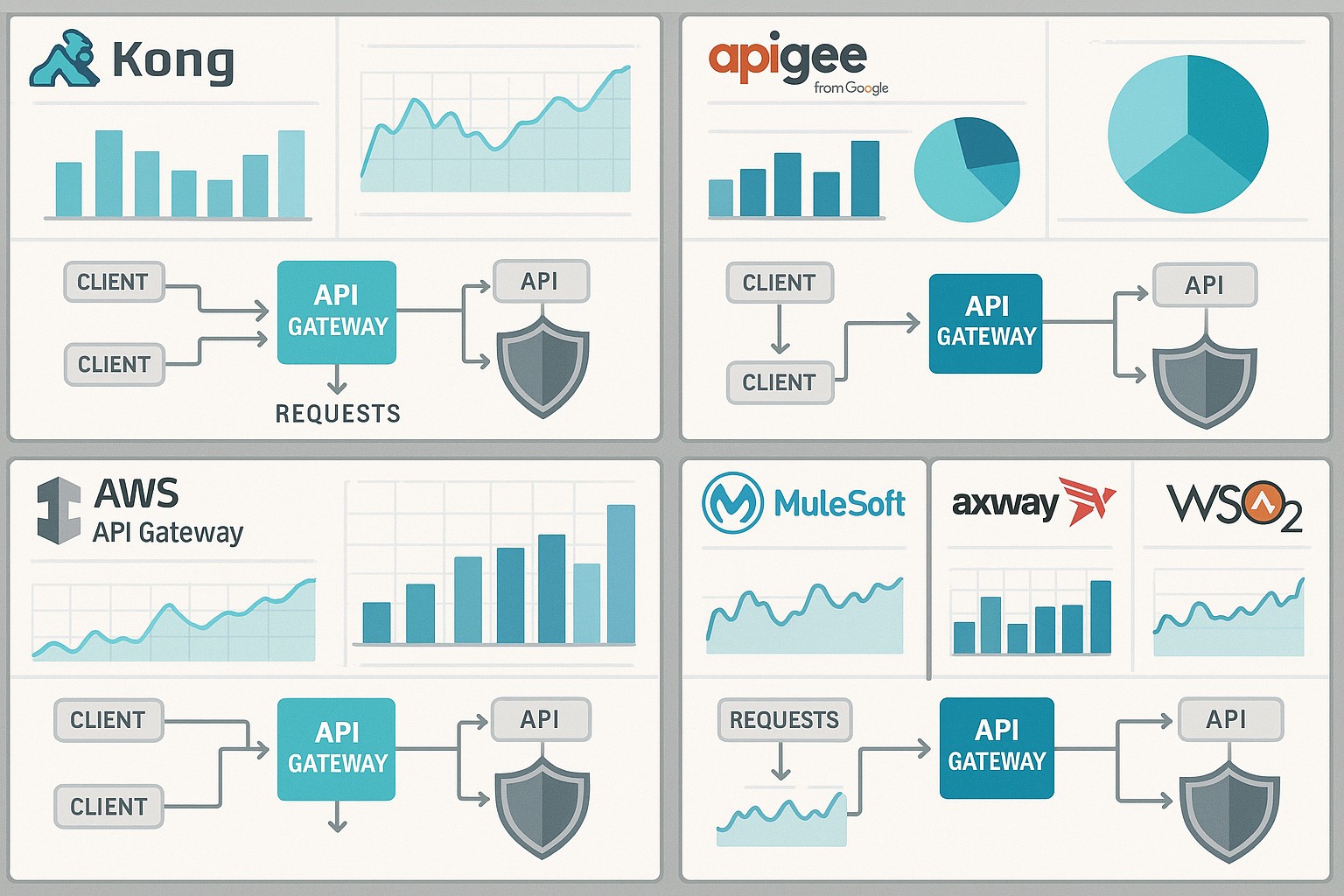
Overview of top API management platforms In today’s API-driven economy, organizations rely on robust API management platforms to secure, publish, monitor, and monetize their digital services. A well-chosen solution can
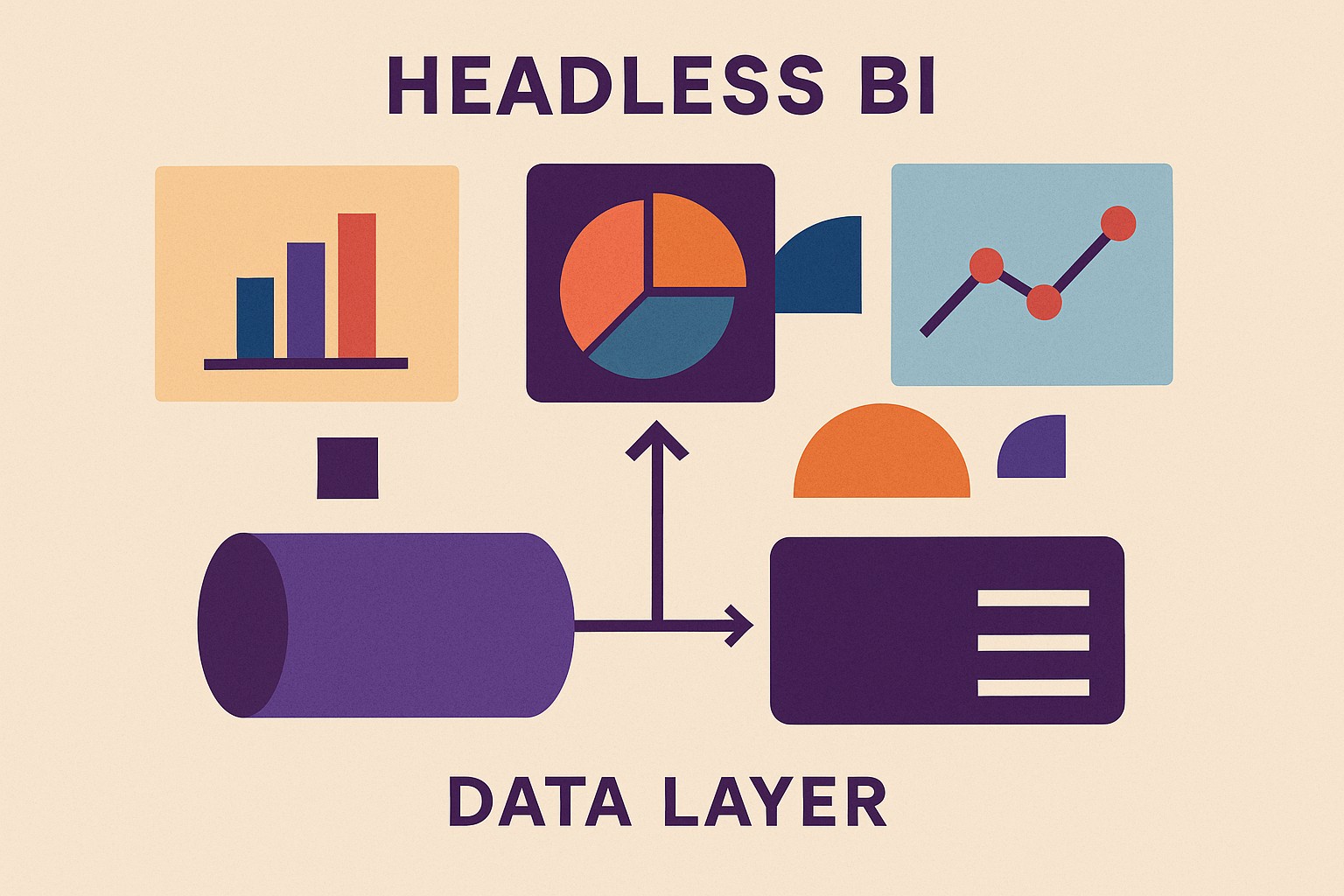
Understanding Headless BI: Definition and Context Headless business intelligence represents a shift in how analytic data is produced, served, and consumed. At its core, it decouples the analytics backend —
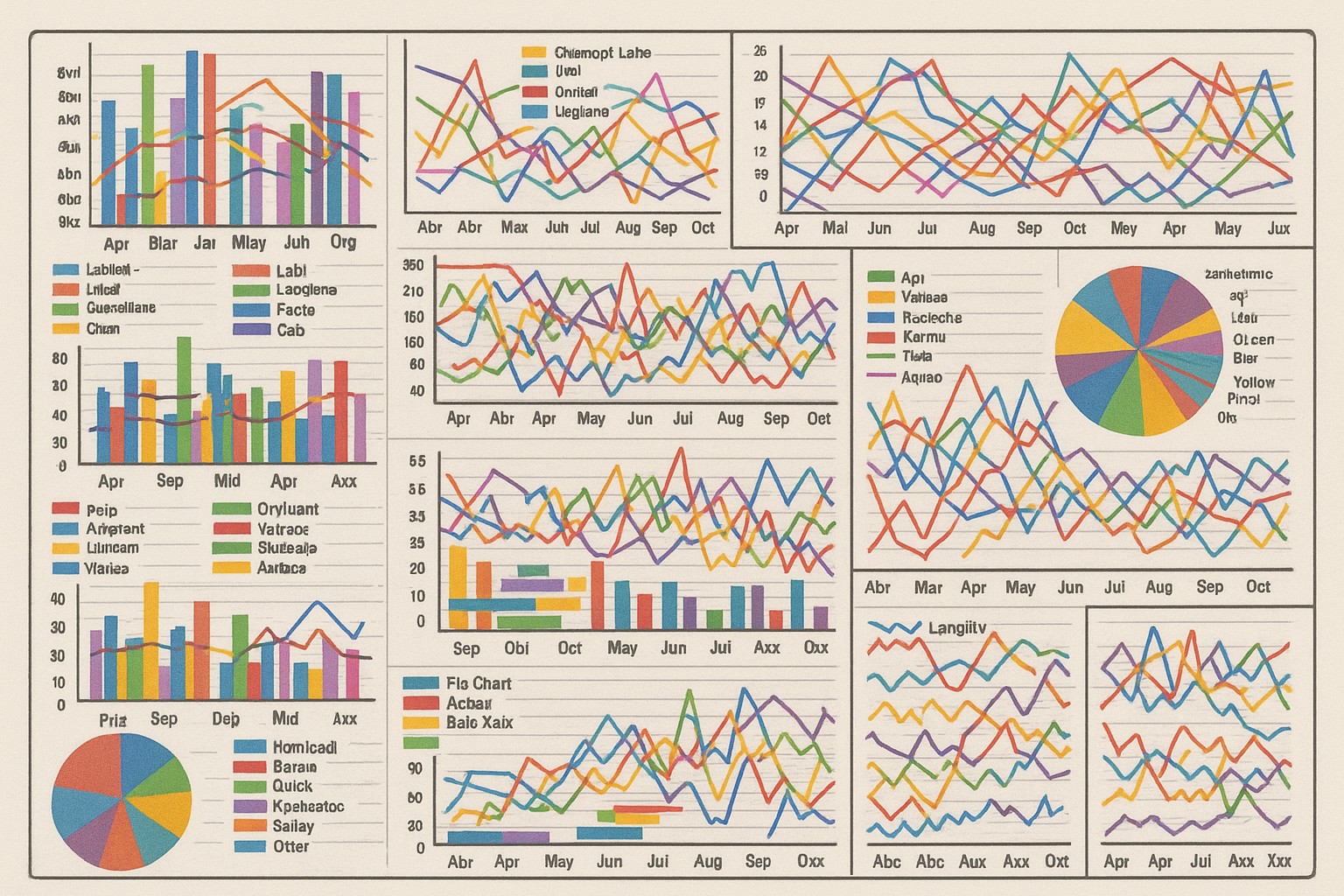
Introduction: the cost of bad visuals in business decisions In business contexts, data visuals are tools for rapid comprehension and informed action. When they work well, dashboards and charts accelerate
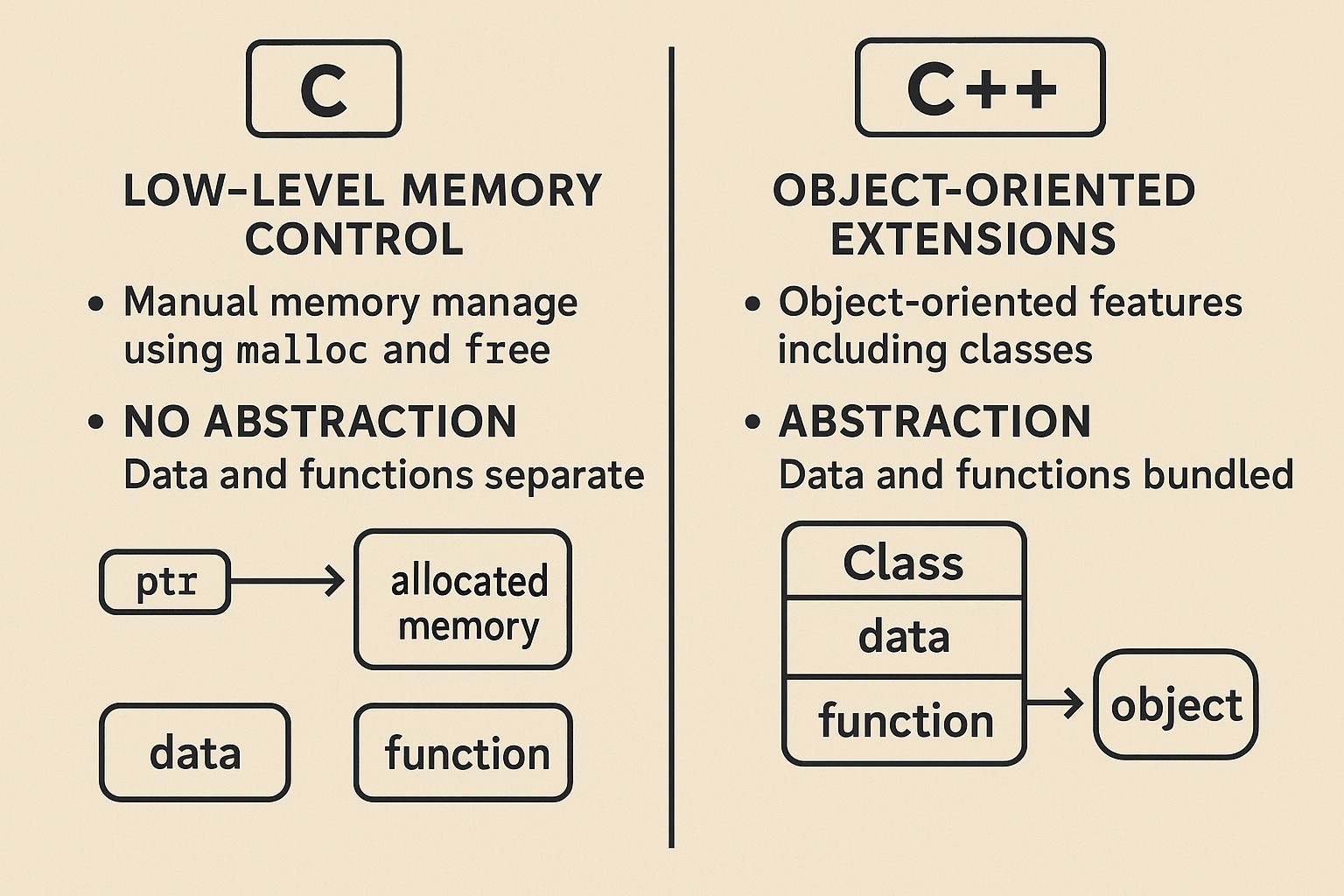
Overview and Core Philosophy C and C++ occupy a shared space in the domain of low-level systems programming, but they pursue different design goals. C is lean, procedural, and oriented
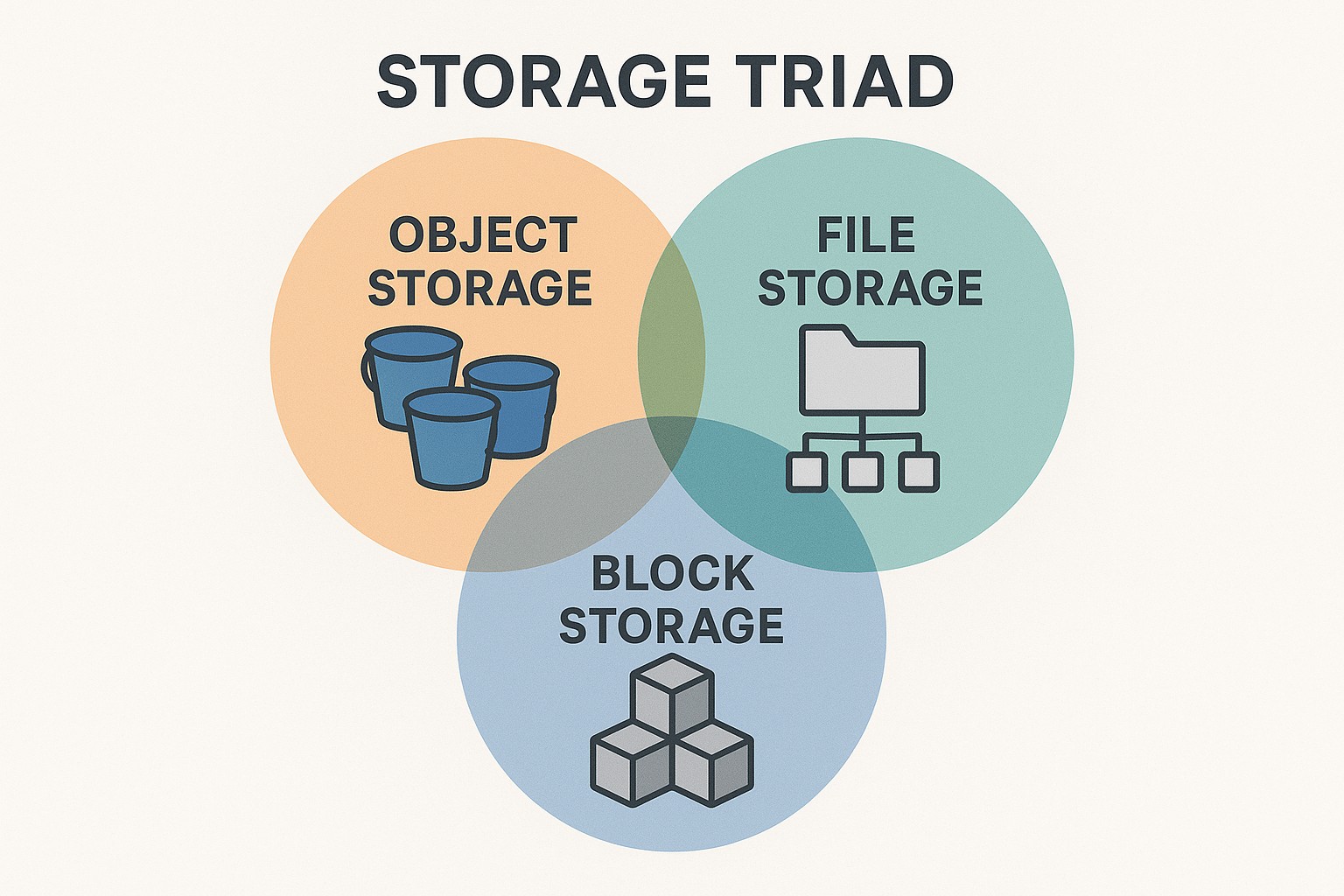
Overview: Comparing Object, Block, and File Storage In modern IT environments, storage is not a one-size-fits-all concern. Object storage, block storage, and file storage each solve distinct problems and optimize

Overview of Autodesk Recap Autodesk Recap is a reality capture platform that helps professionals convert physical environments into accurate digital representations. By processing data from laser scanners, photogrammetry, and drone-based

Why Data Storytelling Matters Genuine data storytelling begins with a clear objective: move from raw numbers to decisions that improve performance. In a business context, data isn’t an end in

Pygame: Foundations for 2D games Pygame is a mature, battle-tested library for creating 2D games in Python. Built on top of SDL, it exposes a straightforward API for rendering surfaces,