Now Reading: SynXis Property Management System (SPMS) Explained
-
01
SynXis Property Management System (SPMS) Explained

Overview of SynXis Property Management System (SPMS)
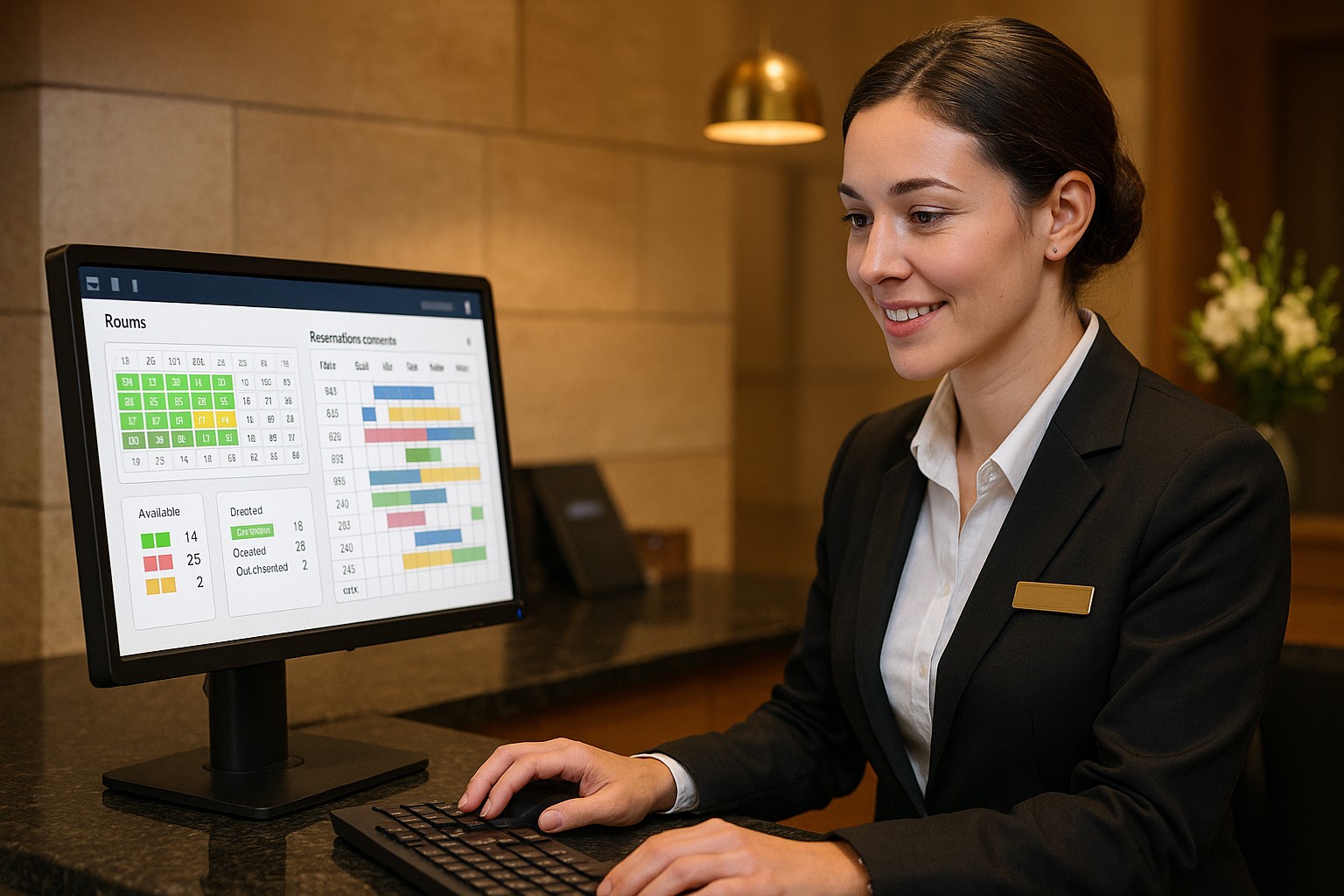
SynXis Property Management System (SPMS) is a cloud-first platform designed to streamline hotel operations by consolidating guest management, reservations, housekeeping, billing, and reporting into a single, user-centric system. Built to scale across portfolios of different sizes, SPMS emphasizes real-time data synchronization, cross-property visibility, and a service-oriented architecture that supports rapid integration with complementary hotel systems. In practice, SPMS serves as the operational backbone of daily hotel life, ensuring that front desk staff, housekeeping teams, and revenue management professionals share a consistent set of facts about rooms, guests, and financial transactions.
As part of the broader SynXis ecosystem, SPMS leverages cloud infrastructure to deliver reliability, security, and continuous updates without imposing heavy on-site maintenance. Operators benefit from a predictable service model with ongoing feature enhancements, faster onboarding for new properties, and unified reporting that spans multiple properties or brands. The goal is to reduce manual work, minimize data silos, and improve the guest experience through accurate and timely information at every touchpoint—from pre-arrival communications to post-stay follow-ups.
For hoteliers, SPMS represents more than a collection of modules; it is a strategic platform designed to be the central point of truth for guest histories, room status, and financial postings. This centralized approach enables better decision-making, more consistent service delivery across properties, and a foundation for data-driven initiatives such as dynamic pricing, targeted communications, and performance benchmarking. In short, SPMS is built to support modern hotel operations by aligning people, processes, and data around a single, authoritative system.
Core features and modular architecture
SPMS is structured to deliver modular capabilities that cover the end-to-end lifecycle of hotel operations. The system combines standard PMS functions with advanced capabilities that support multi-property management, rate integrity, and streamlined guest services. The architecture is designed to be extensible, allowing properties to adopt core functionality quickly while enabling gradual adoption of additional modules as needs evolve. This modularity helps operators tailor SPMS to their exact workflow, property type, and guest profiles.
At its core, SPMS handles the essential tasks of check-in/check-out, room assignment, and status tracking, then extends these activities with robust guest profile management, detailed charge posting, and audit trails. The system also provides native tools for housekeeping scheduling, maintenance requests, and incident logging, ensuring that frontline staff have up-to-date information for operational efficiency. The result is a cohesive environment where front desk operations, back-office accounting, and property services work in concert, reducing friction and enabling a higher level of service delivery.
- Guest profile and reservation management that persists across properties and brands
- Front desk operations including check-in/check-out, room status, and housekeeping coordination
- Integrated billing, tax handling, and financial postings with real-time posting and reconciliation
Integrations and data flow within the SynXis ecosystem
One of SPMS’s distinguishing strengths is its ability to connect with a broader set of systems in the hospitality tech stack. The platform is designed around APIs and event-driven data exchange, enabling real-time synchronization with central reservations, point-of-sale systems, payment gateways, and loyalty programs. This integration mindset ensures that data remains consistent across channels, reducing the risk of overbooking, rate discrepancies, or guest profile fragmentation. A well-implemented SPMS integration strategy can shorten response times for guest requests, improve accuracy in billing, and enable comprehensive reporting that draws from multiple data sources.
Operational transparency improves as data flows from the front desk to housekeepers, revenue managers, and finance teams. Real-time updates on room status, occupancy, and guest revenue create a feedback loop that supports proactive decision-making. With proper governance and API-layer security, hotels can extend SPMS into procurement, maintenance, and energy management workflows, creating a broader, more cohesive technology environment that supports day-to-day operations and strategic planning.
- Real-time integration with Central Reservations (CRS) and channel managers to maintain rate parity and availability
- APIs and webhooks for third-party PMS, POS, accounting systems, and loyalty platforms
- Secure integration with payment gateways and secure guest communications channels
Operational impact, security, and compliance
Implementing SPMS can yield tangible improvements in operational efficiency, data accuracy, and guest satisfaction. By consolidating reservations, guest profiles, and room status in a single system, hotels reduce duplicate data entry and the likelihood of human error. The platform’s reporting capabilities offer real-time visibility into occupancy, performance metrics, and financial results, enabling more informed decisions about staffing, pricing, and inventory allocation. The outcome is a more predictable operation with smoother handoffs between departments and a stronger alignment between service delivery and financial performance.
Security and compliance are foundational concerns for any property management solution. SPMS is designed with role-based access controls, auditing, and data encryption in transit and at rest to mitigate the risk of unauthorized access or data leakage. In hotels handling payment card data, SPMS is expected to align with industry standards and regulatory requirements such as PCI DSS, while also supporting privacy protections that comply with applicable regional regulations. Regular backups, disaster recovery planning, and failover capabilities help maintain service continuity even during adverse events, ensuring that guest information and revenue data remain protected and available when needed.
- PCI DSS-aligned security practices for payment processing and sensitive data handling
- Audit trails, role-based access, and automated alerts for unusual activity
- Scalability to support multi-property portfolios and high-volume reservation workloads
Implementation and migration considerations
Transitioning to SPMS requires careful planning, stakeholder alignment, and a staged approach to minimize disruption to daily operations. A typical implementation includes discovery and design workshops, data cleansing and mapping, a phased rollout across properties, and comprehensive training for staff. Organizations should designate a cross-functional project team that includes IT, operations, revenue management, and human resources to address both technical and organizational change aspects. A well-structured plan helps ensure data integrity, user adoption, and adherence to project timelines.
Best practices for migration emphasize data hygiene, clear ownership of master data, and a staged go-live strategy. Early pilot deployments with a subset of properties can validate configurations, interfaces, and business rules before broader rollout. Training should focus on real-world scenarios, including multiple guest types, corporate accounts, and multi-property housekeeping workflows. Ongoing governance and periodic health checks after go-live help sustain performance gains and adaptability as business needs evolve.
Frequently asked questions
What is SPMS and how does it differ from a traditional PMS?
SPMS is a cloud-native, modular property management system designed to work across multiple properties and brands within the SynXis ecosystem. Unlike traditional on-premises PMS solutions, SPMS emphasizes real-time data synchronization, API-driven integrations, and a scalable architecture that supports rapid configuration changes, multi-property management, and seamless connectivity to distribution, payments, and loyalty systems. The result is an operational core that can adapt more quickly to market dynamics and guest expectations.
How does SPMS integrate with the SynXis CRS and other components?
SPMS connects to the SynXis Central Reservations (CRS) and other components through standardized APIs and event-driven data exchanges. Real-time availability, rates, and reservations flow between CRS and SPMS, ensuring rate parity and accurate room status. Integrations with POS, accounting, and payment providers extend the platform’s reach, enabling consistent guest billing, consolidated reporting, and streamlined reconciliation across departments and properties.
What security and compliance considerations should hotels plan for with SPMS?
Security strategies for SPMS include role-based access control, strong authentication, data encryption in transit and at rest, and comprehensive audit trails. Compliance considerations typically focus on PCI DSS for payment processing, privacy requirements for guest data, and regional regulations about data storage and access. Regular backups, disaster recovery planning, and a clearly defined incident response process are essential to maintain service continuity and protect sensitive information.
What is the typical implementation timeline for SPMS across a multi-property portfolio?
Implementation timelines vary based on portfolio size, data quality, and the chosen rollout strategy. A common approach spans discovery and design, data cleansing, pilot deployment, phased rollouts across properties, and staff training. Depending on complexity, a multi-property migration can range from several weeks to several months. Establishing clear milestones, executive sponsorship, and a dedicated project team helps keep the timeline on track and reduces disruption to day-to-day operations.
What measurable benefits can hotels expect after implementing SPMS?
Hotels typically see improvements in operational efficiency, guest data quality, and revenue integrity. Expected benefits include faster check-in/check-out, improved housekeeping coordination, real-time revenue reporting, and better rate parity across distribution channels. By reducing manual processes and data silos, hotels often experience shorter cycle times for guest requests, higher occupancy utilization, and more accurate financial postings, contributing to a stronger bottom line and higher guest satisfaction.