Now Reading: Vue Storefront vs Magento Frontend: Modernizing E-Commerce
-
01
Vue Storefront vs Magento Frontend: Modernizing E-Commerce

Architectural differences: PWA vs traditional frontend
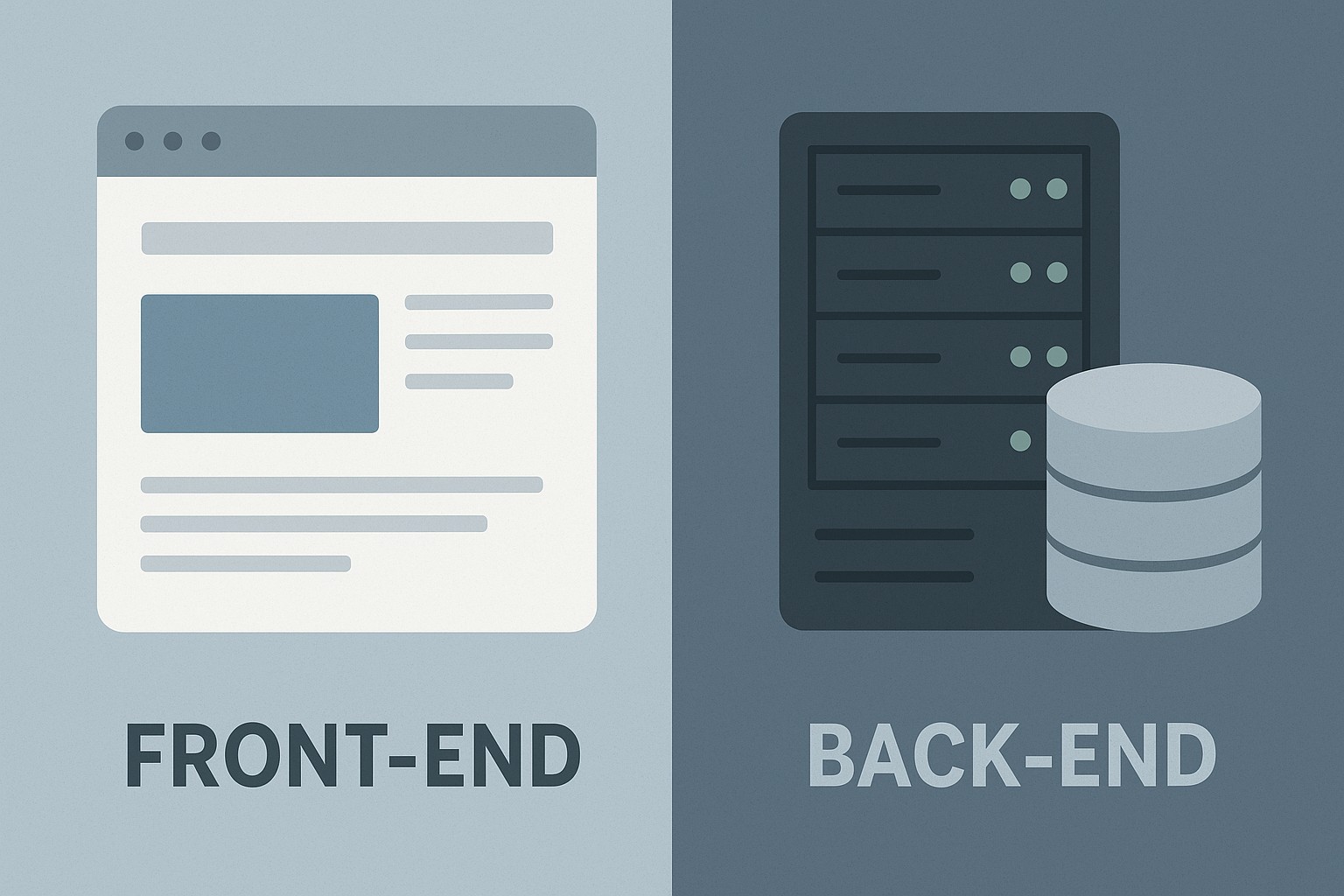
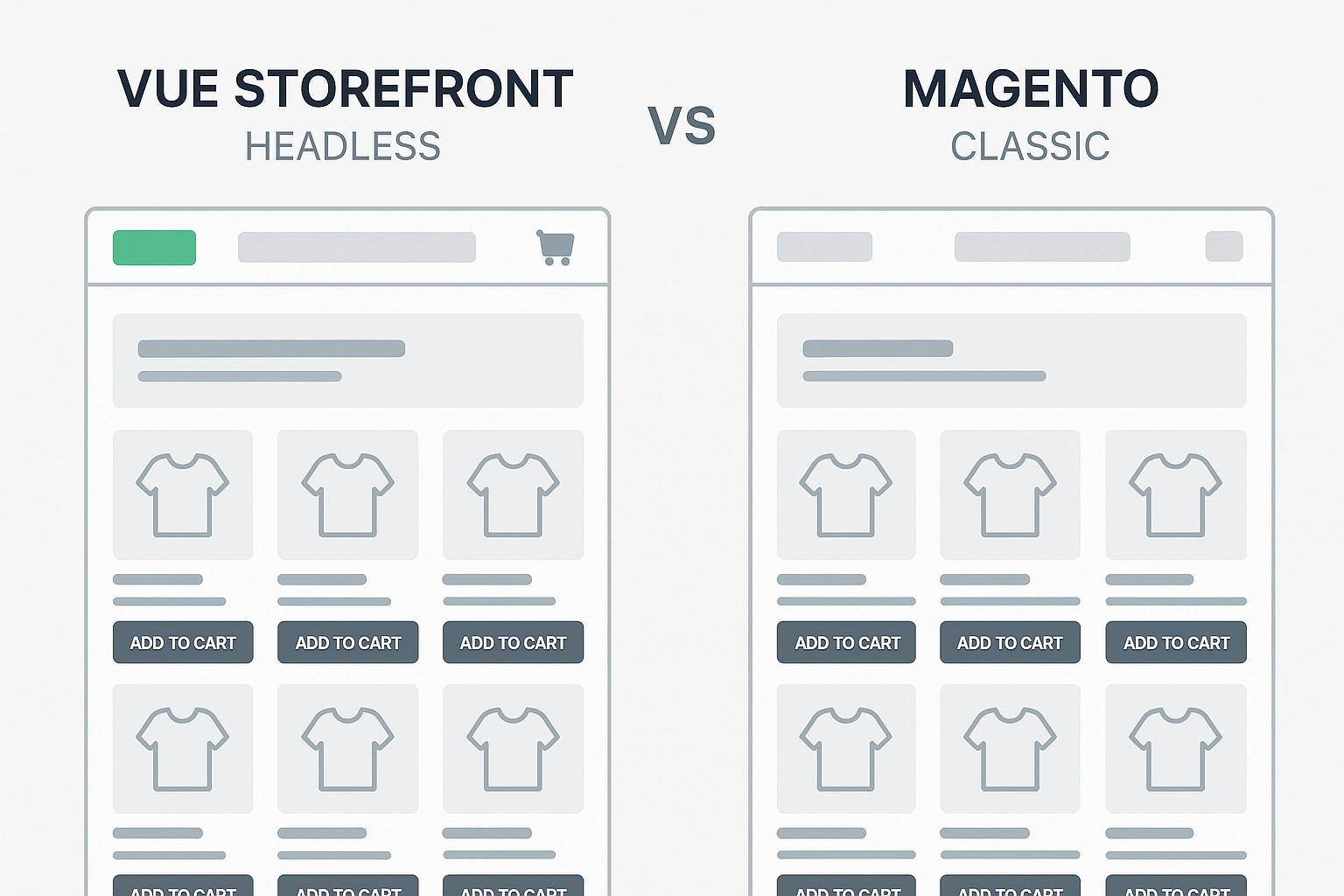
Vue Storefront (VSF) represents a Progressive Web App approach that decouples the frontend from the backend, delivering a modern, API-first user interface that can run across devices and channels. In contrast, Magento’s traditional frontend is closely tied to the server-side rendering model and the Magento storefront stack, where PHP-based templates and server processing drive the customer experience. This architectural divergence matters because it directly impacts speed, resilience, deployment velocity, and the ability to experiment with new interactions without risking the stability of the back-end systems. A decoupled, headless setup enables teams to evolve the storefront UI independently from Magento’s core logic, thereby reducing cross-team bottlenecks and enabling faster iteration cycles. The data boundary is defined by stable APIs—GraphQL or REST—through which product data, pricing, inventory, and orders flow into the frontend. In practice, this means the frontend becomes a client of Magento and other services, rather than a dependent renderer of server-side pages. The outcome is a more flexible product experience that can adapt to changing business requirements without requiring a complete backend redeploy. This separation also paves the way for multi-channel strategies, where the same backend powers web, mobile, and in-store experiences through tailored frontends while maintaining a single source of truth for product data, promotions, and catalog structure.
- API-first data access and a consistent data shape across channels
- Headless architecture enabling multiple frontends (web, mobile, kiosk, IoT)
- Component-driven UI with a shared Vue-based component library
- Efficient caching and data hydration across user sessions
- SEO-friendly rendering options including SSR or prerendering when needed
- Offline and service worker-enabled experiences for resilience
Performance, user experience, and offline capabilities
Performance and user experience are central to the appeal of a PWA like Vue Storefront. By design, VSF minimizes network round-trips through client-side rendering supplemented by selective server rendering where SEO and initial content visibility demand it. Service workers enable offline access and background synchronization, so shoppers can browse catalogs, add items to carts, or continue checkout flows even on unreliable connections. This shifts the moment-to-interaction from a series of server responses to a smooth, client-driven experience that feels native on mobile devices. In comparison, Magento’s traditional frontend can be more dependent on full page reloads and server-side processing, which may introduce latency under load. The practical effect for merchants is steadier performance, improved perceived speed, and a more forgiving user journey on mobile networks. Over time, the combination of prefetching, intelligent caching, and responsive image strategies translates into stronger Lighthouse scores and higher conversion potential as users experience faster interactions and fewer disruptions during shopping tasks.
- Code-splitting and lazy loading of routes and components to reduce initial payload
- Image optimization and responsive image handling for different viewports
- Strategic caching and clear cache invalidation rules to keep data fresh
- Prefetching, preloading, and hydration of critical routes for instant access
- Optimistic UI updates for cart and checkout to minimize perceived latency
- Offline cart availability and background synchronization for resilience
Developer experience, integration with Magento APIs, and deployment
From a development and integration standpoint, Vue Storefront abstracts the data access layer from the presentation layer, enabling teams to work in parallel. The frontend consumes Magento data through stable APIs, typically GraphQL or REST, while the Magento backend continues to evolve its business logic, catalog management, and order handling. This separation reduces frontend complexity and unlocks faster experimentation with UI features, while still leveraging Magento for pricing, promotions, and inventory. The development workflow typically emphasizes modular component libraries, consistent UI patterns, and automated testing to ensure that changes in the data layer do not unexpectedly break the storefront. Teams can implement feature flags, preview environments, and CI/CD pipelines that build and deploy the PWA independently of the Magento server, which accelerates time-to-market for campaigns and seasonal experiences. A pragmatic starting point is a minimal storefront that renders core catalog and cart workflows, followed by a staged introduction of advanced capabilities such as checkout optimization, personalized recommendations, and real-time stock updates as API contracts mature.
query GetProduct($sku: String!) {
  products(filter: { sku: { eq: $sku }}) {
    items {
      id
      name
      sku
      short_description
      description
      price {
        regularPrice {
          currency
          value
        }
      }
      media_gallery {
        url
      }
    }
  }
}
Migration strategies and considerations
Transitioning from Magento’s traditional frontend to a Vue Storefront-based architecture is best approached as a guided evolution rather than a big-bang replacement. Start with an assessment of the current frontend scope, including critical user journeys, redirects, SEO signals, and notable customizations in the Magento storefront. Define a target MVP that covers essential catalog, search, and cart interactions, while mapping existing data models to the API contracts used by VSF. A hybrid approach—running the new PWA alongside the legacy frontend during a controlled co-existence period—helps mitigate risk and provides a clear rollback path. Pay particular attention to SEO continuity: ensure server-rendered content or prerendered pages preserve search engine visibility, and establish redirects for pages that move to the new frontend. Establish governance around authentication, session management, and data privacy, since frontend changes influence how customer data is handled during login, checkout, and personalization. Finally, implement monitoring and telemetry from day one, so performance, errors, and conversion metrics are visible and actionable as you phase in the new frontend.
- Assess catalog, promotions, and API coverage to determine MVP scope
- Define data model mappings and contract stability for GraphQL/REST
- Build a parallel, hybrid deployment to minimize risk
- Plan redirects and SEO validation to preserve search visibility
- Roll out in stages with telemetry, feature flags, and a clear rollback plan
- Align security, access control, and governance across teams
Security, governance, and compliance
Security and governance considerations are essential when introducing a decoupled frontend. While Elasticsearch and Magento operate on the backend, the frontend inherits responsibilities for secure data handling, token management, and client-side risk exposure. Implement strong CSP policies, secure all API endpoints with authentication tokens or OAuth flows, and ensure that sensitive data is never exposed in the browser. The separation also introduces new surfaces for third-party dependencies, so it is important to maintain a known-good supply chain, regularly audit libraries for vulnerabilities, and pin dependency versions to avoid unplanned upgrades. Data privacy requirements, including GDPR considerations, should guide how user data is stored, synced, and purged across devices and sessions. Operationally, maintain an ongoing vulnerability management process, with routine scans, dependency updates, and incident response playbooks that cover frontend components, service workers, and API gateways. A well-governed approach reduces risk while enabling teams to innovate securely on top of Magento’s robust commerce foundations.
FAQ
What is Vue Storefront and how does it compare with Magento Frontend?
Vue Storefront is a Progressive Web App frontend that decouples the user interface from the Magento backend via APIs. It enables faster iterations, offline capabilities, and multi-channel delivery, while Magento Frontend traditionally relies on server-side rendering within the Magento storefront stack. The PWA approach can improve performance, resilience, and developer velocity, provided data contracts between the frontend and Magento remain stable and well-governed.
What tangible benefits does a PWA bring to a Magento-based store?
PWAs deliver faster initial interactions, smoother navigation, offline shopping experiences, and more reliable checkout flows on mobile devices. They reduce dependence on server round-trips, allow image and asset optimization, and enable a consistent storefront appearance across platforms. For merchants, these improvements typically translate into better conversion rates, higher engagement, and improved search performance due to enhanced perceived performance and accessibility.
Is migration to Vue Storefront risky for an established Magento site?
Any migration carries risk, but a phased approach mitigates it. Start with a minimal storefront MVP that covers core catalog and cart workflows, run the new frontend in parallel with the existing one, and use feature flags and redirects to control rollout. By validating API contracts, SEO signals, and performance incrementally, teams can reduce risk while proving business value before a full cutover.
How does SEO work with Vue Storefront compared to Magento Frontend?
SEO considerations in a PWA context require careful handling of content visibility and crawlability. You can rely on server-side rendering or prerendering for critical storefront pages to ensure search engines index content effectively, while using client-side rendering for dynamic interactions. Maintaining consistent URL structures, metadata, and structured data is essential, and redirects should be planned to preserve any existing search equity during migration.
What are common integration patterns and data flow between Magento and VSF?
The typical pattern treats Magento as the data source—providing product data, pricing, inventory, and orders through stable APIs—while VSF handles presentation, state management, and user interactions. The data flow is API-first, with GraphQL or REST endpoints consumed by the frontend, allowing independent evolution of storefront features and back-end services. This decoupled pattern supports multi-channel delivery, easier experimentation, and scalable deployment practices.