




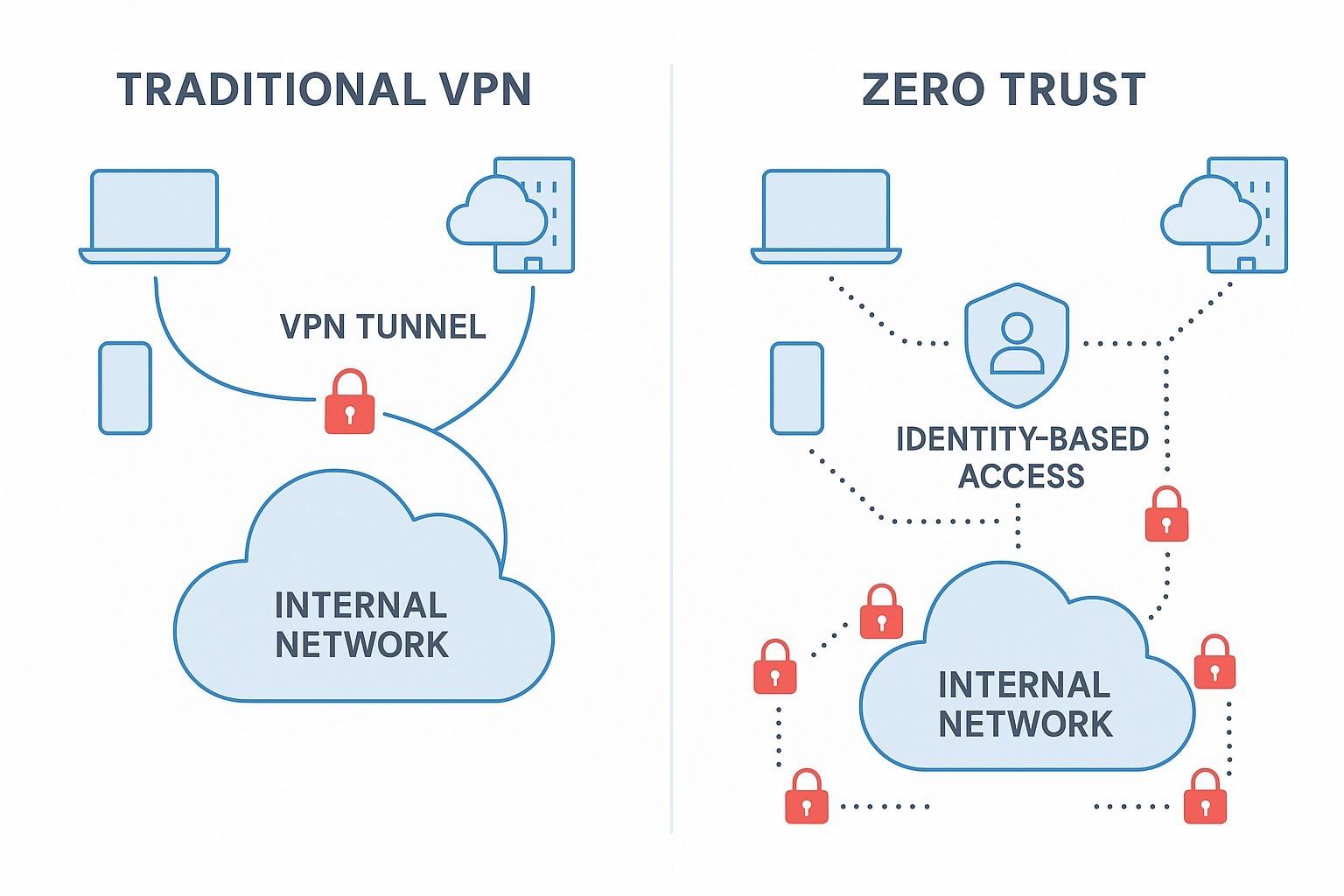
Understanding VPN-based remote access Traditional VPN-based remote access was designed to extend a trusted corporate perimeter to users outside the office. In this model, employees, contractors, and partners connect through
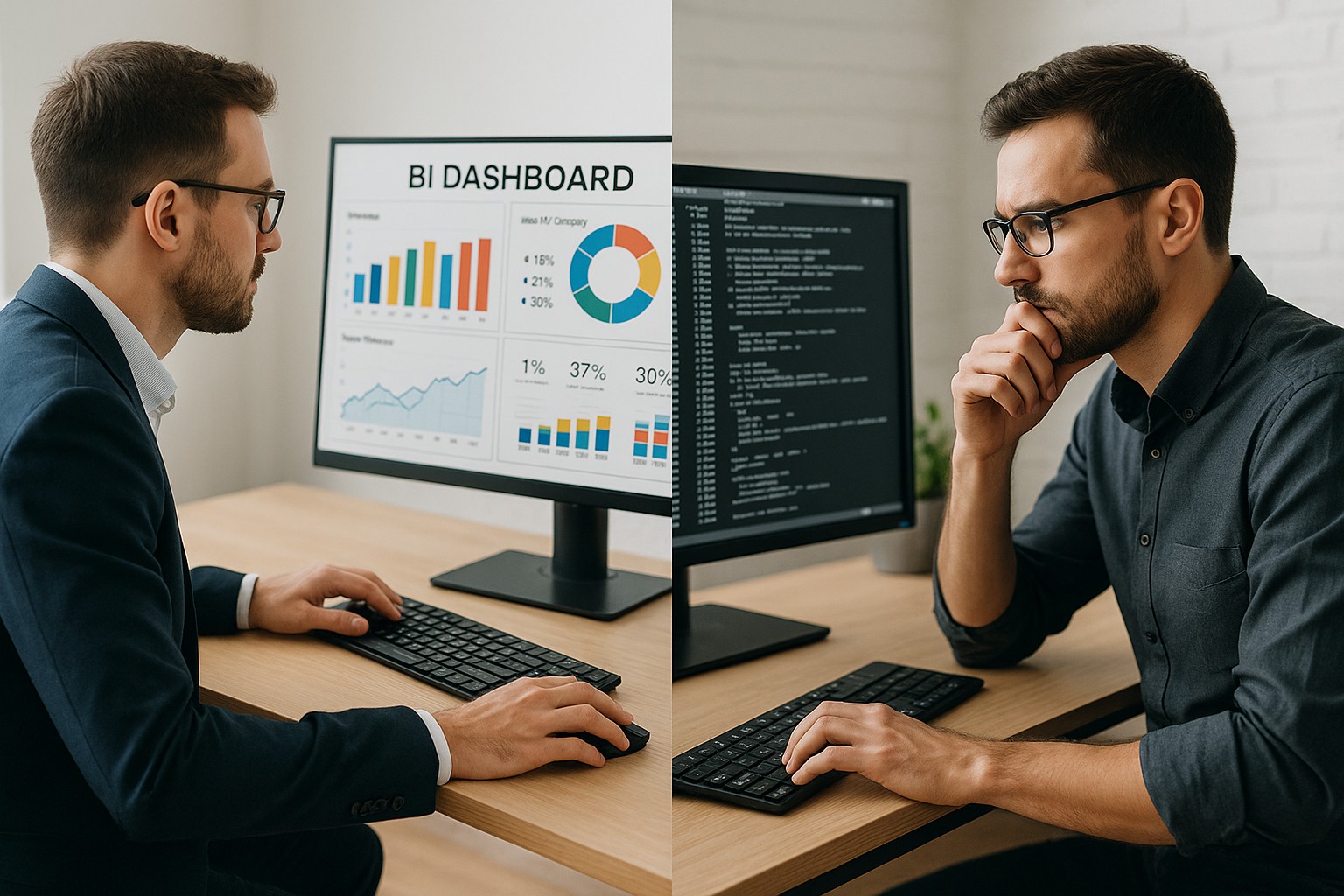
What BI Is and How It Serves the Organization BI is the discipline focused on turning data into reliable, timely information that supports day-to-day and strategic decision-making through dashboards, reports,
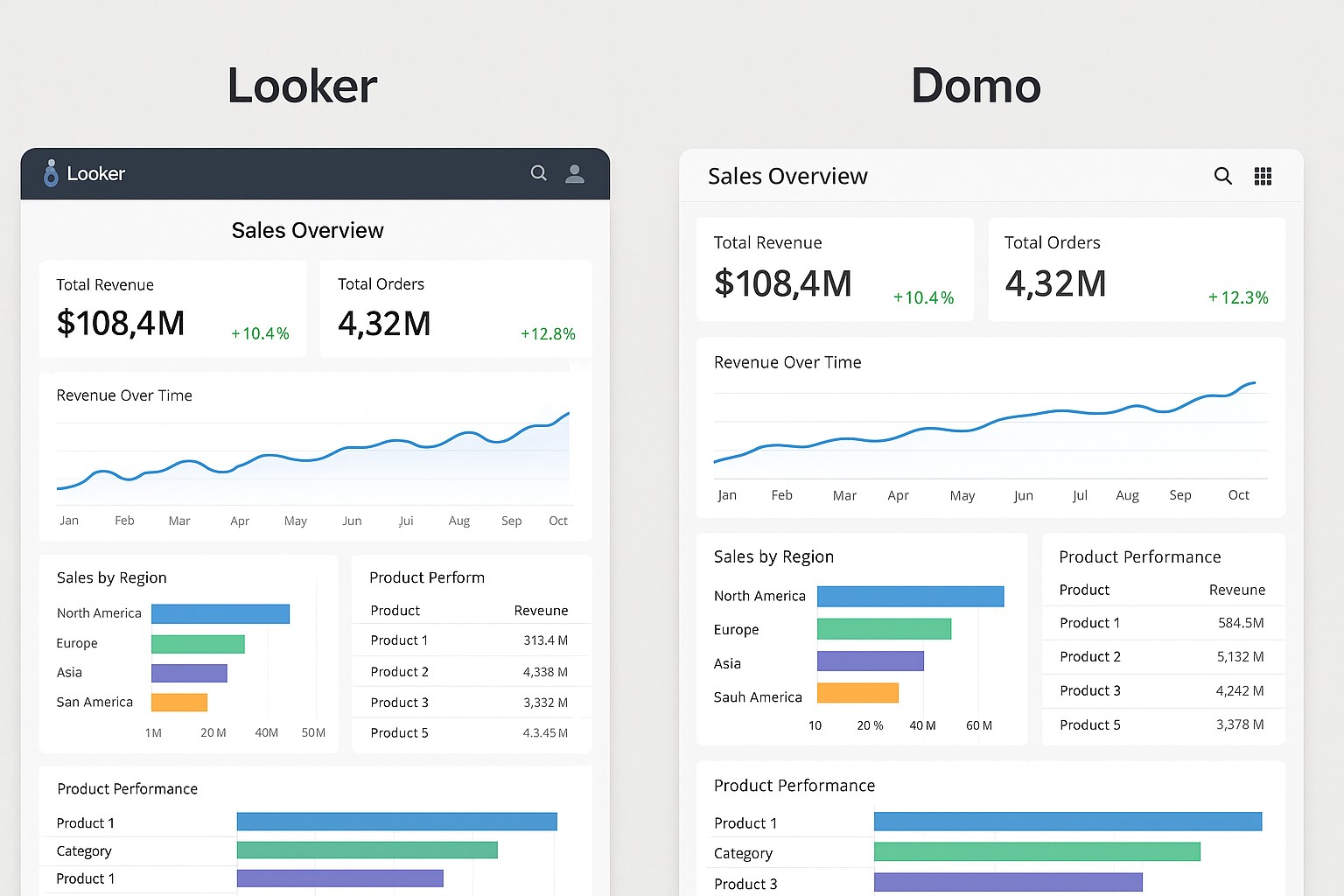
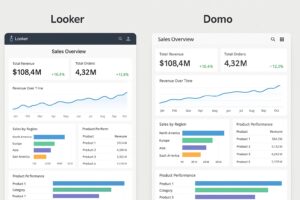
Overview: Looker vs Domo in the BI landscape Looker and Domo sit at the intersection of data visualization, analytics, and decision intelligence for modern organizations. Looker, now part of Google
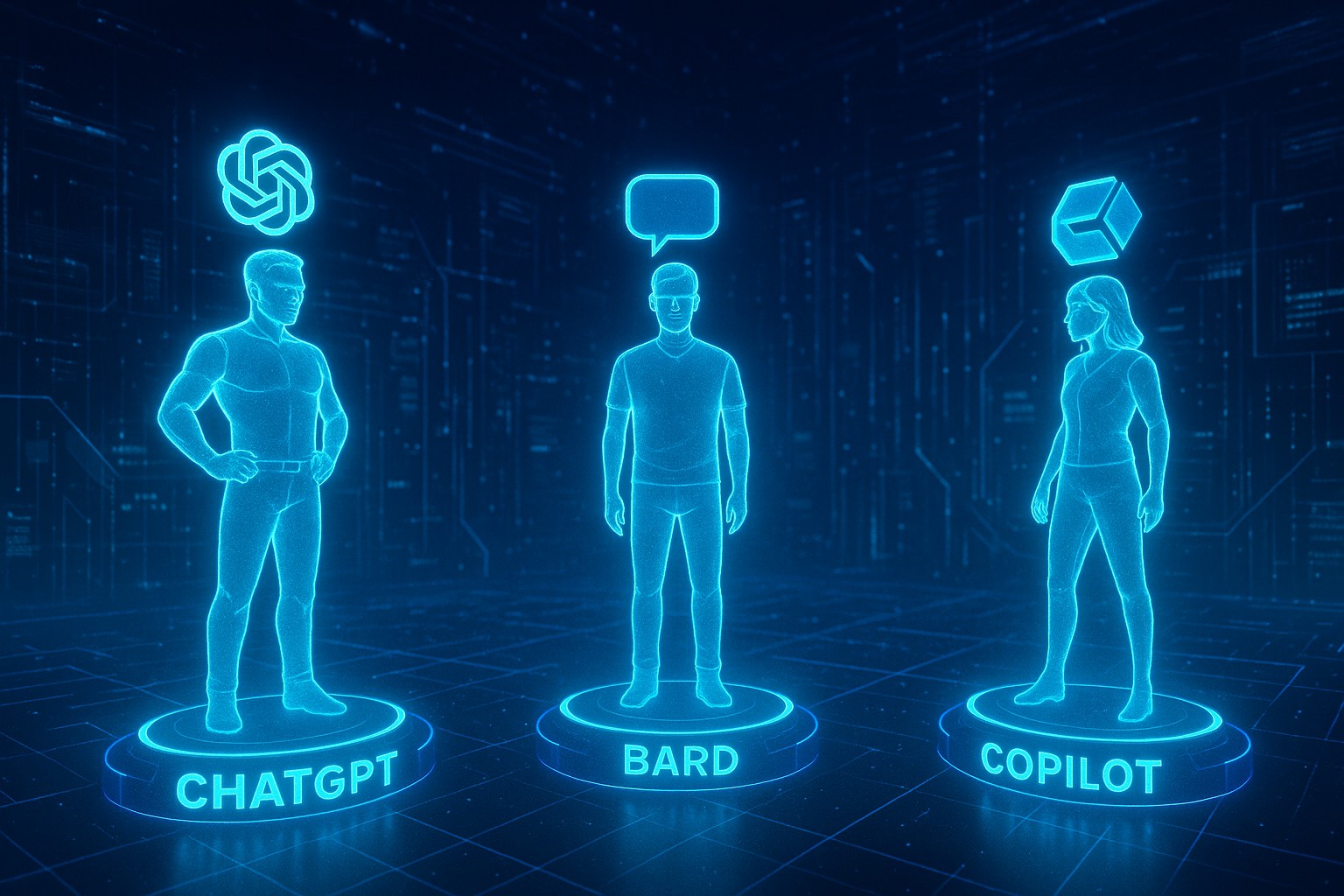
Market landscape and the players you should know In enterprise AI today, organizations evaluating conversational AI and developer tooling encounter a diverse landscape shaped by use-case demands, governance requirements, and

Executive overview: The AI Audio Revolution shaping media, marketing, and product strategy The convergence of voice cloning and AI-generated music is redefining how organizations create, curate, and distribute audio content.
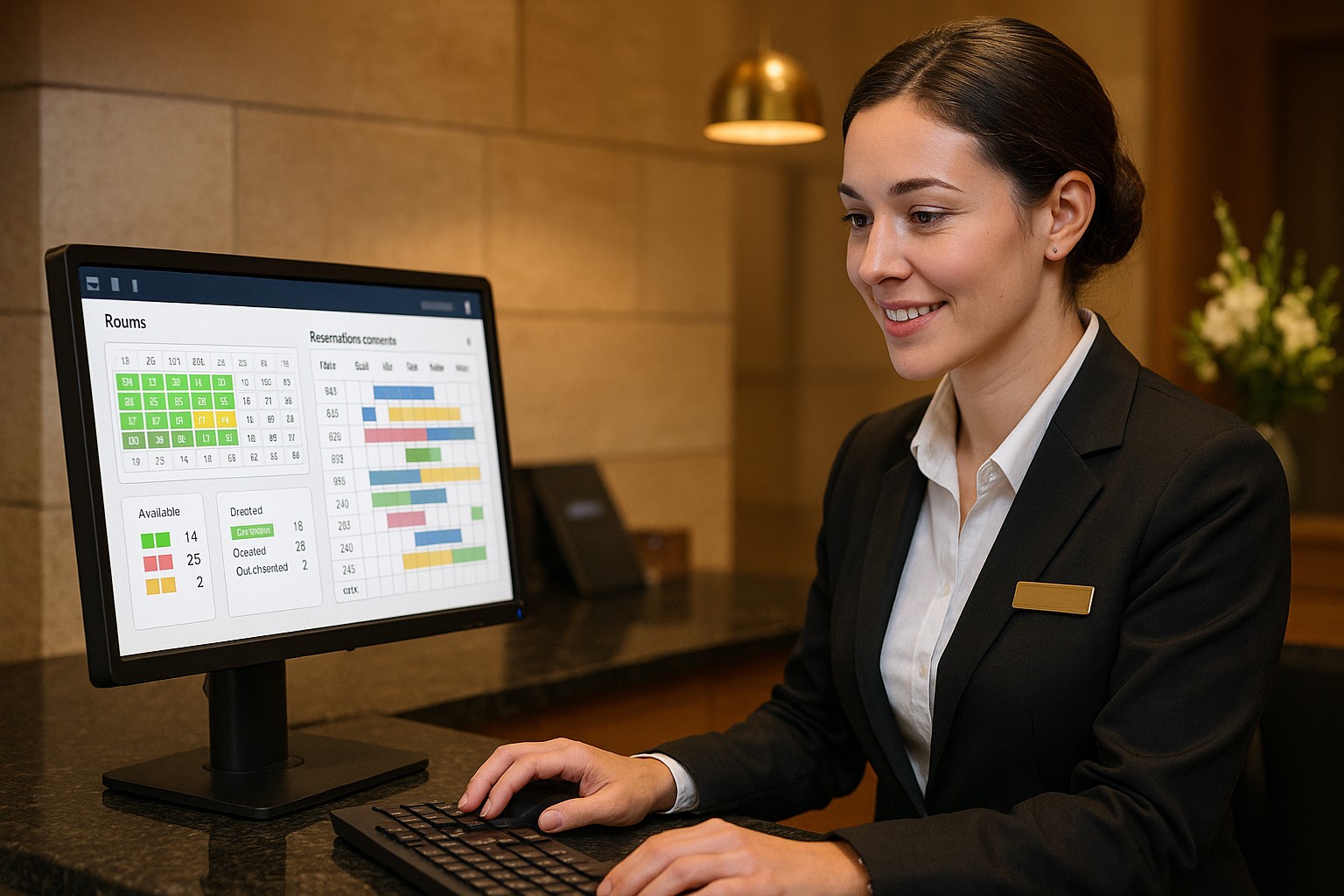
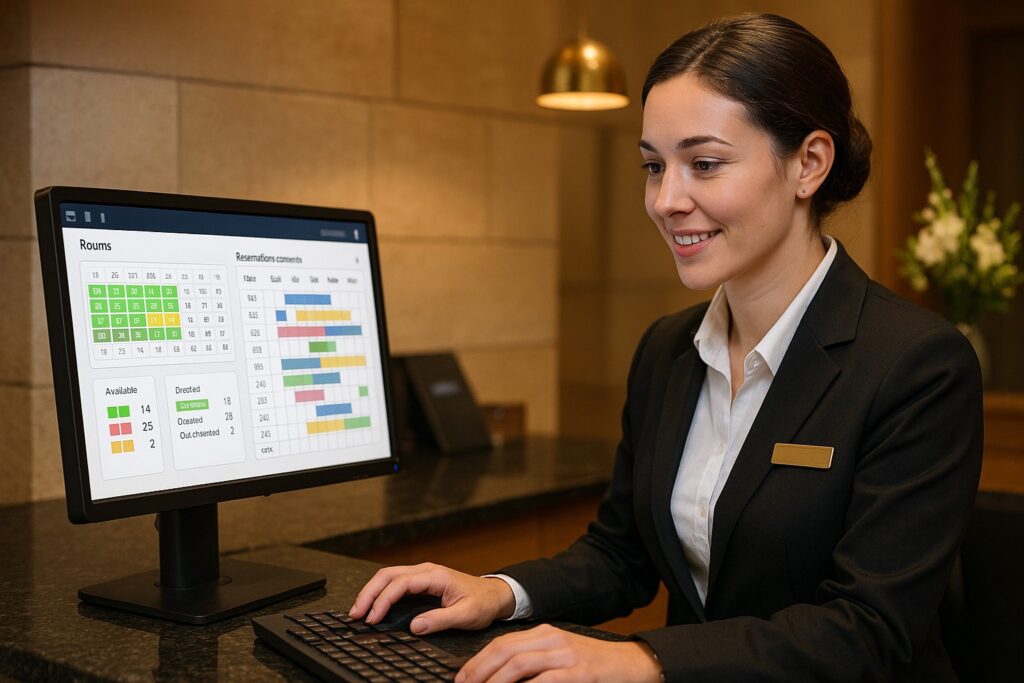
Overview of SynXis Property Management System (SPMS) SynXis Property Management System (SPMS) is a cloud-first platform designed to streamline hotel operations by consolidating guest management, reservations, housekeeping, billing, and reporting
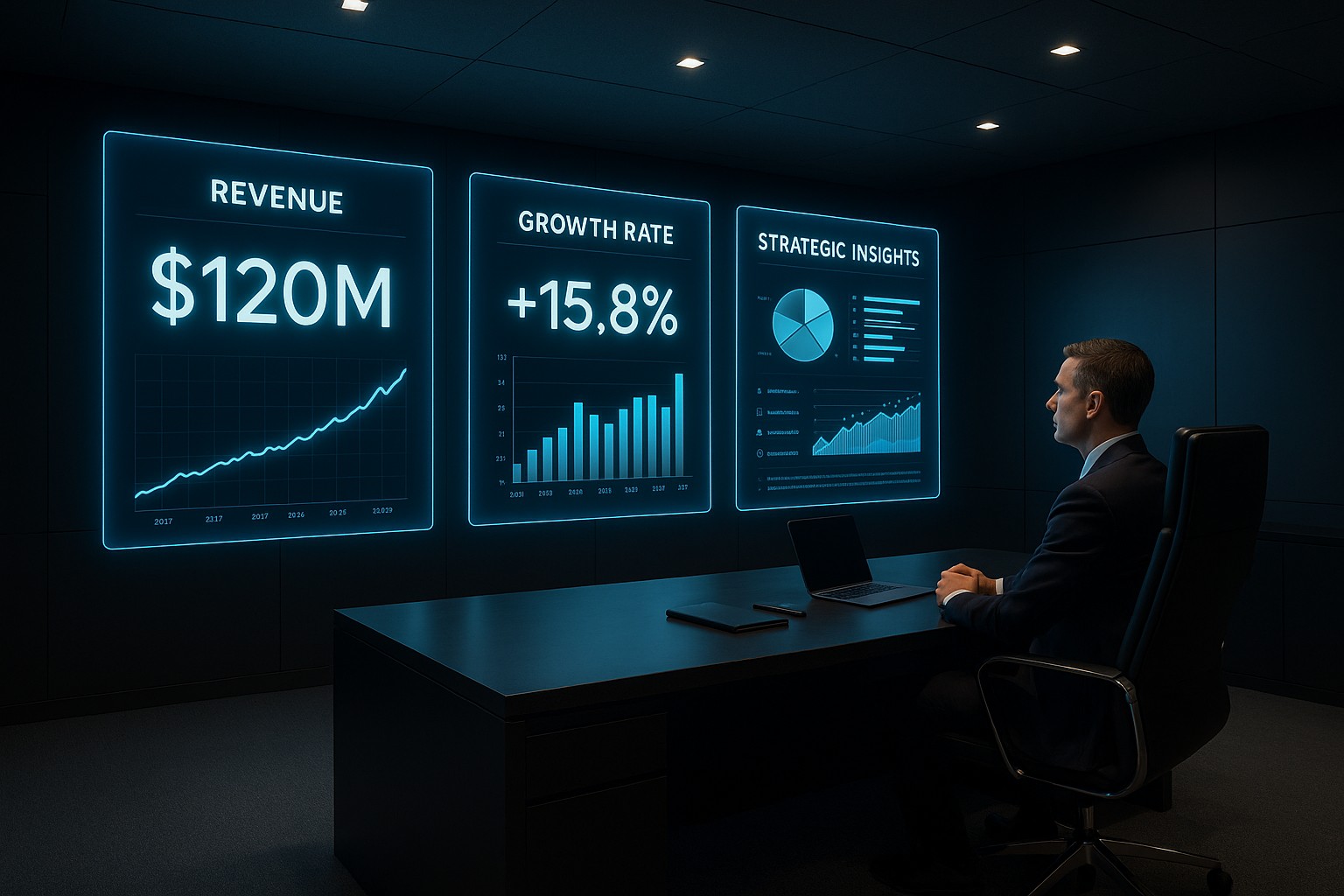
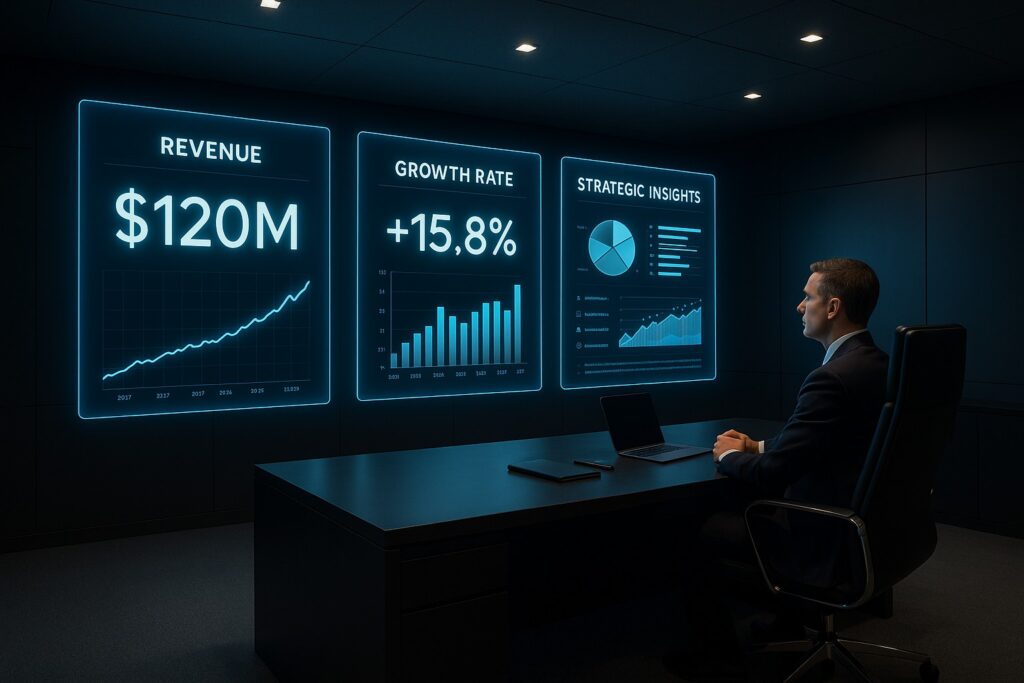
Executive dashboards: purpose and value for the C-suite Executive dashboards serve as a concise, decision‑ready interface to a company’s strategic reality. For the C-suite, they translate disparate data streams—from finance,
Understanding VPN-based remote access Traditional VPN-based remote access was designed to extend a trusted corporate perimeter to users outside the office. In this model, employees, contractors, and partners connect through
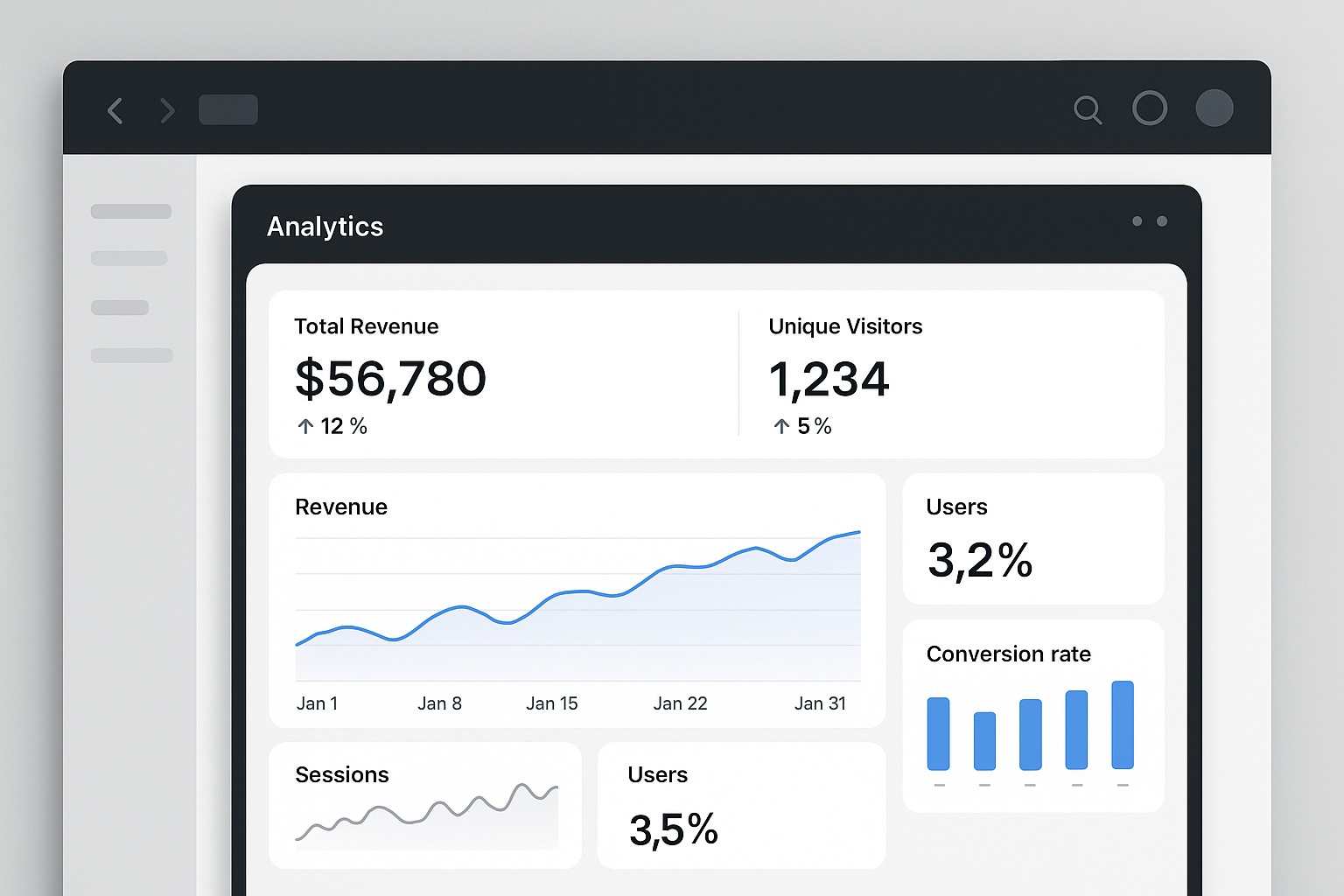
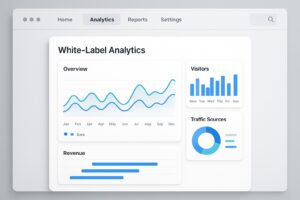
Embedded Analytics: Scope and Strategic Alignment Embedded analytics refers to the integration of analytics capabilities directly into business applications, portals, or user experiences so end users can access insights without
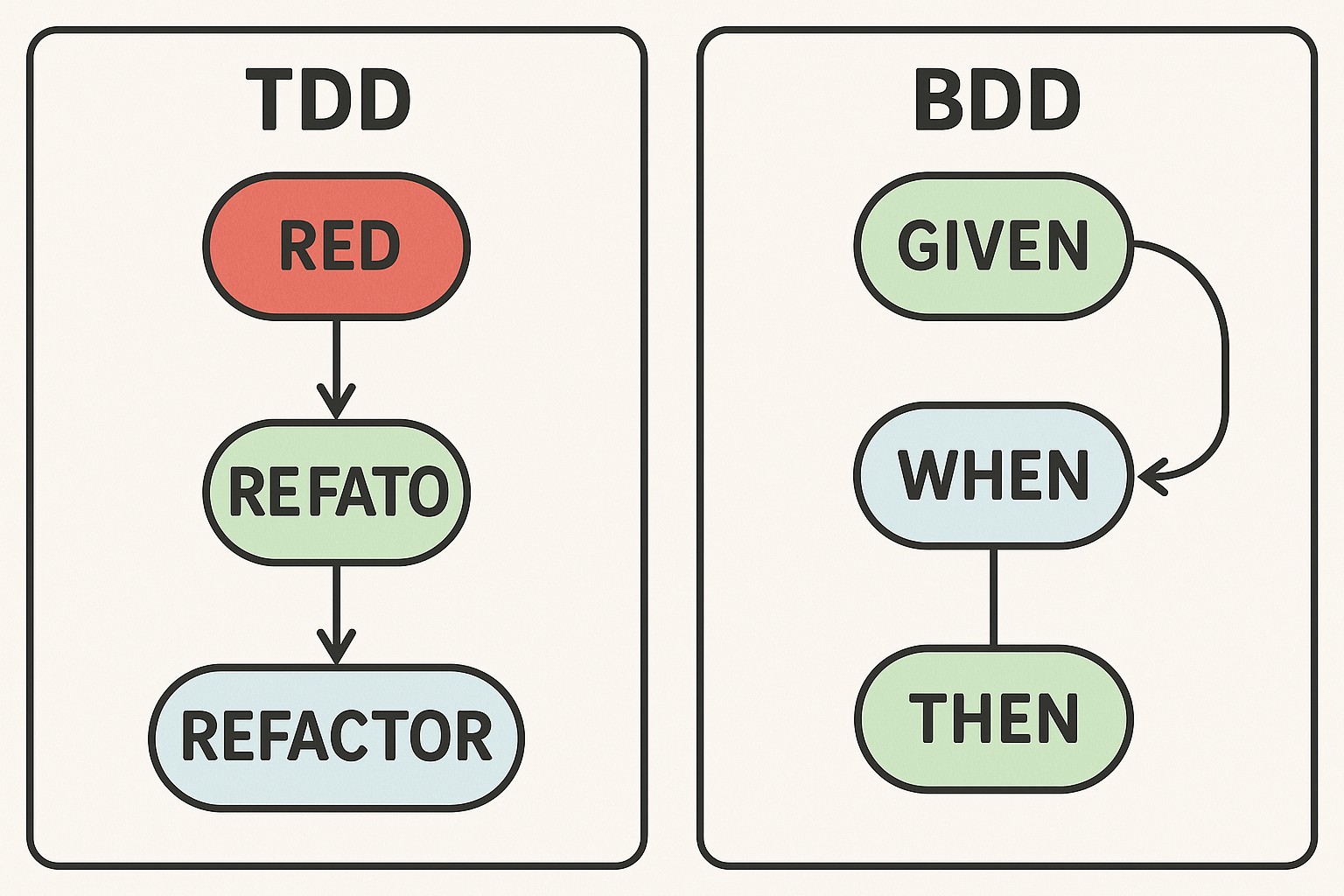
What TDD is and how it works Test-Driven Development (TDD) is a software development practice that places tests at the forefront of design. In TDD, developers begin by defining the
Key considerations for ML GPUs Choosing the right GPU for ML is a balance between memory capacity, compute throughput, and the software stack you rely on. Deep learning workloads, especially
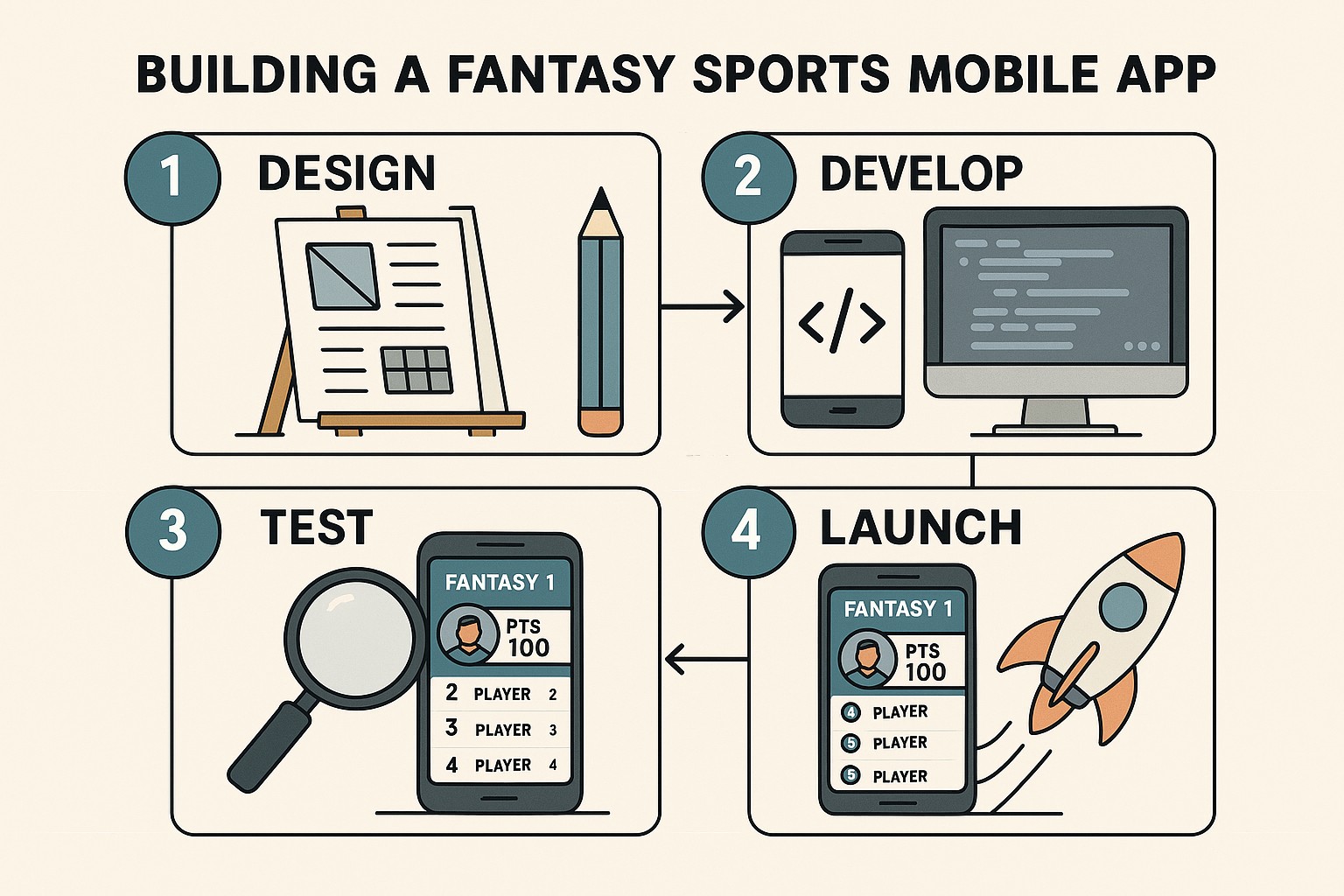
Market and Opportunity The fantasy sports sector continues to surge as fans demand richer, more personalized ways to translate their sports knowledge into competitive experiences. Mobile adoption, faster data feeds,
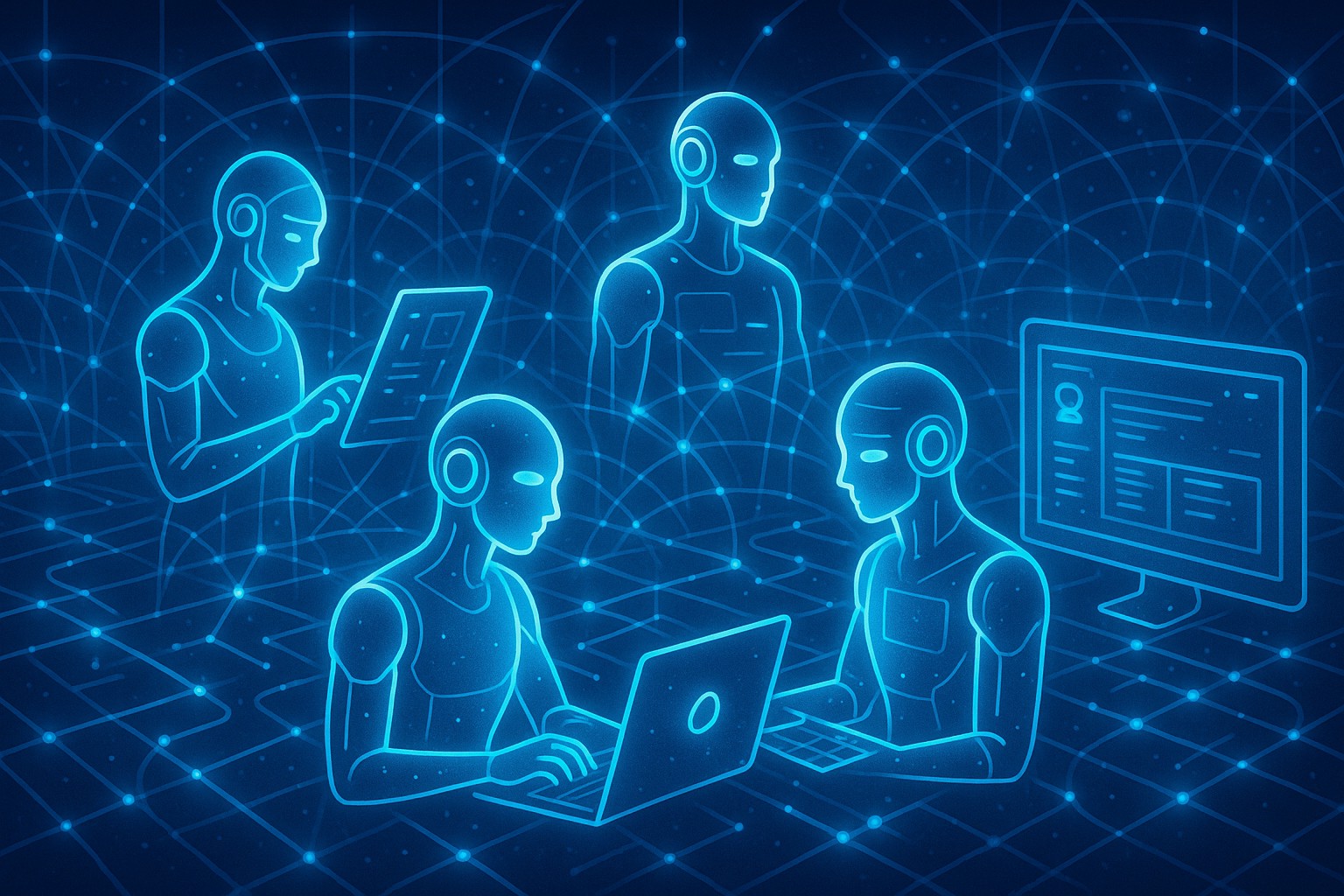
Strategic role of AI agents in modern automation AI agents are increasingly positioned as the operating system of automated business processes. Rather than executing a single canned routine, these agents
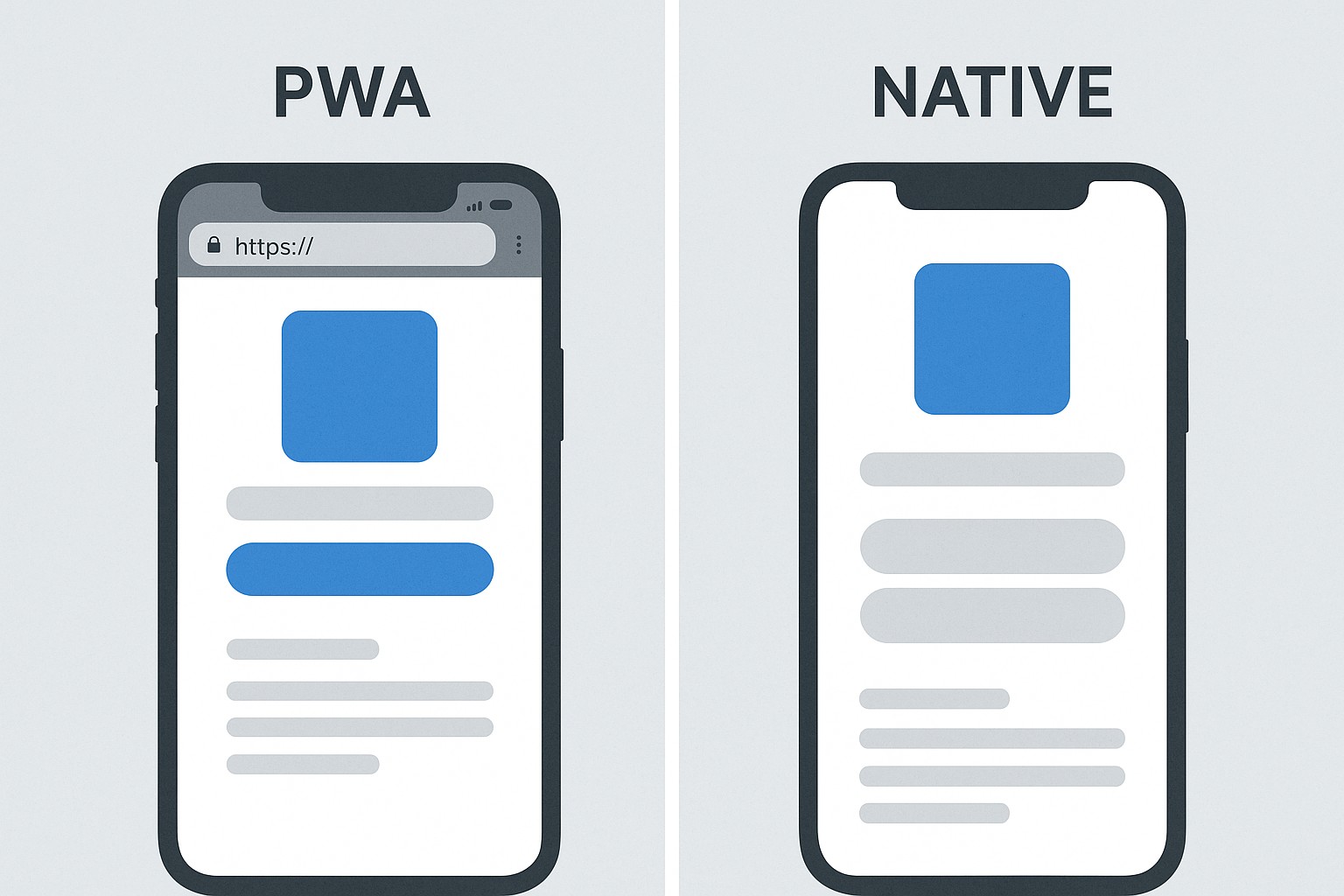
Overview: PWAs vs native apps Progressive Web Apps (PWAs) are web applications designed to feel like native apps. They use modern web technologies such as service workers and a web
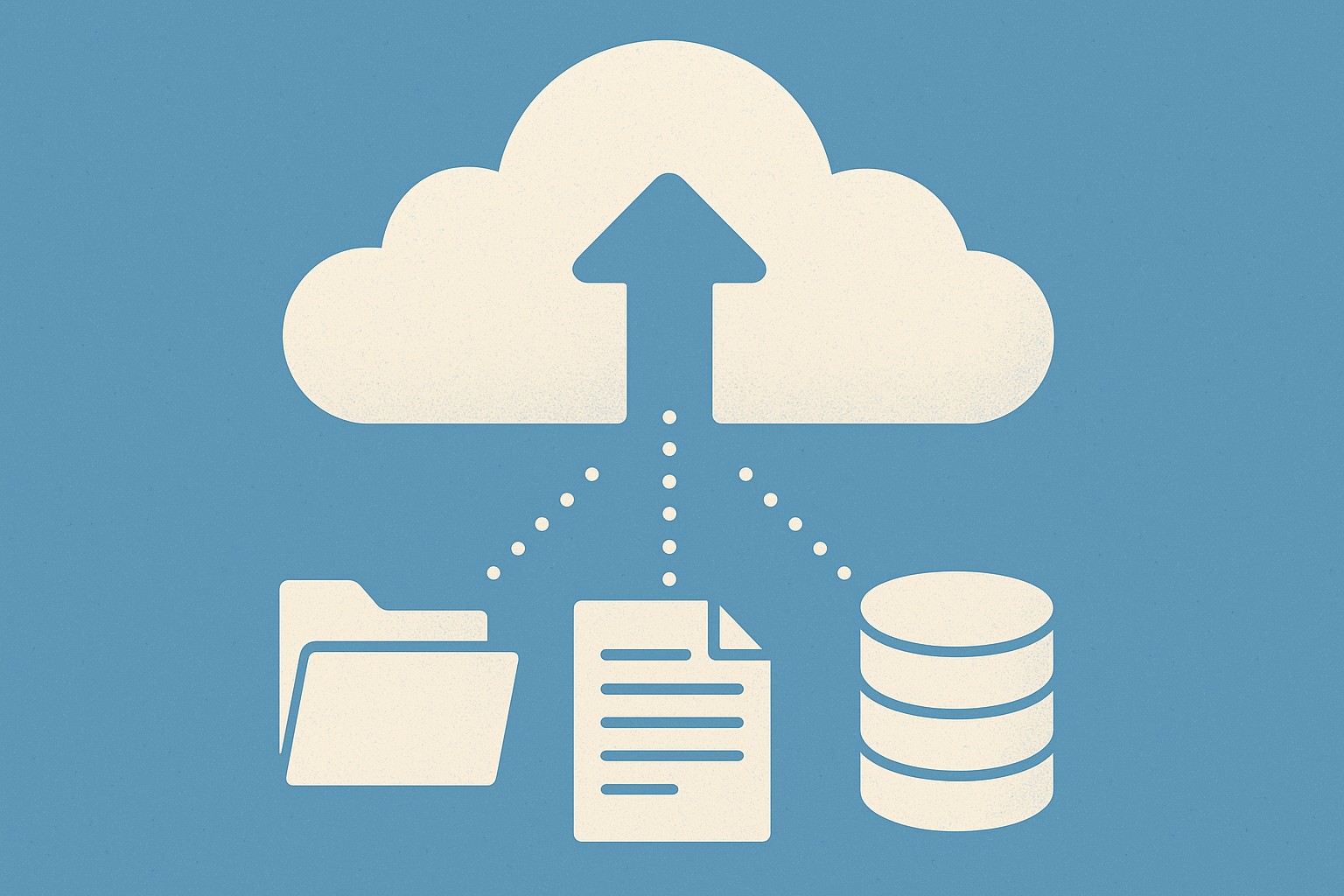
Planning and governance Effective cloud migration begins with clear business outcomes, executive sponsorship, and a formal governance model. Establish a dedicated migration program with a cross-functional team, a defined charter,
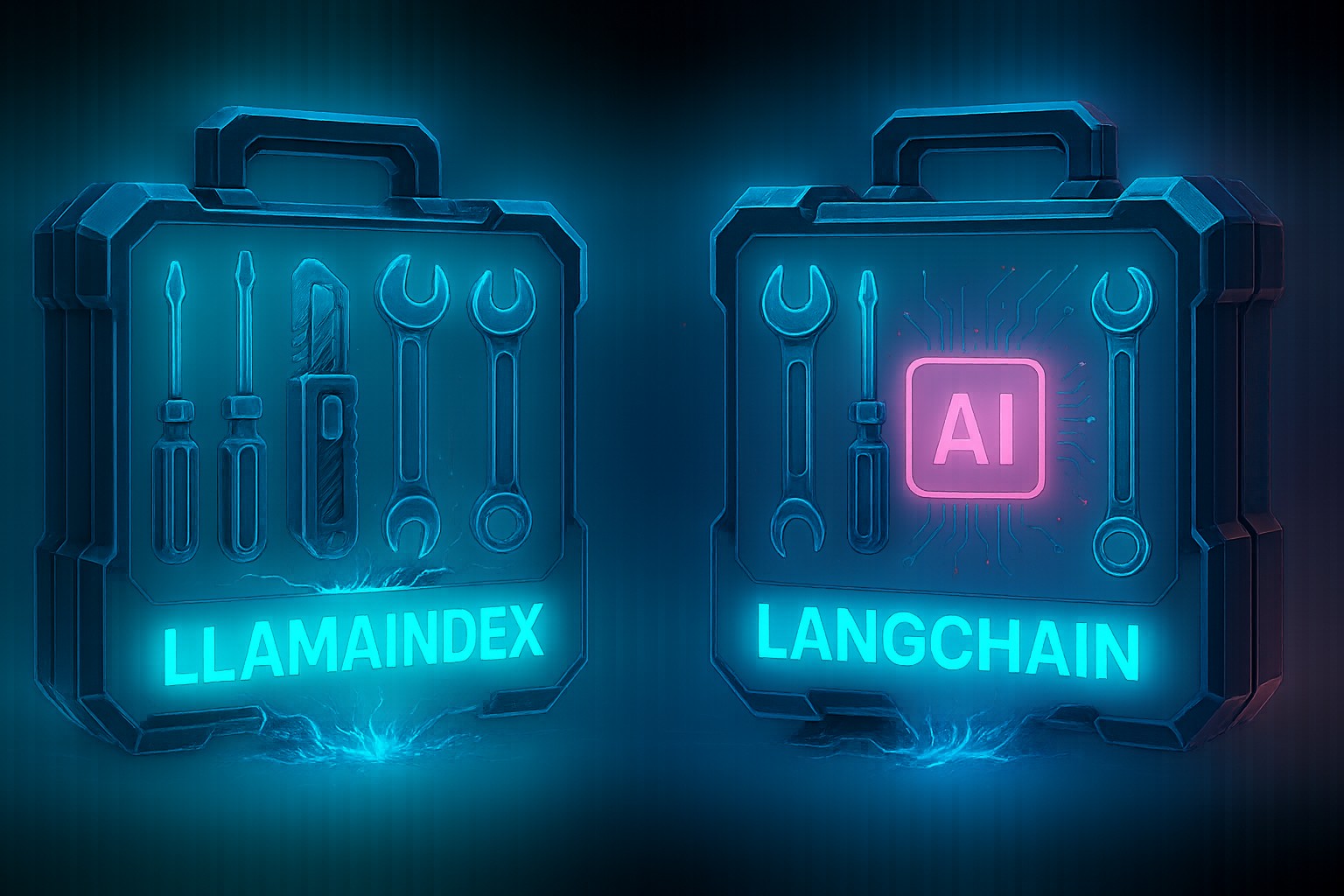
Introduction Both LlamaIndex and LangChain are among the most widely adopted frameworks for building production-ready applications that leverage large language models. They provide higher-level abstractions to manage prompts, data ingestion,
Cloud provider landscape: AWS, Azure, and Google Cloud in the enterprise context In the modern enterprise, a cloud strategy is no longer a simple choice of a single provider but