Now Reading: Oracle Database 19c and Version History Overview
-
01
Oracle Database 19c and Version History Overview

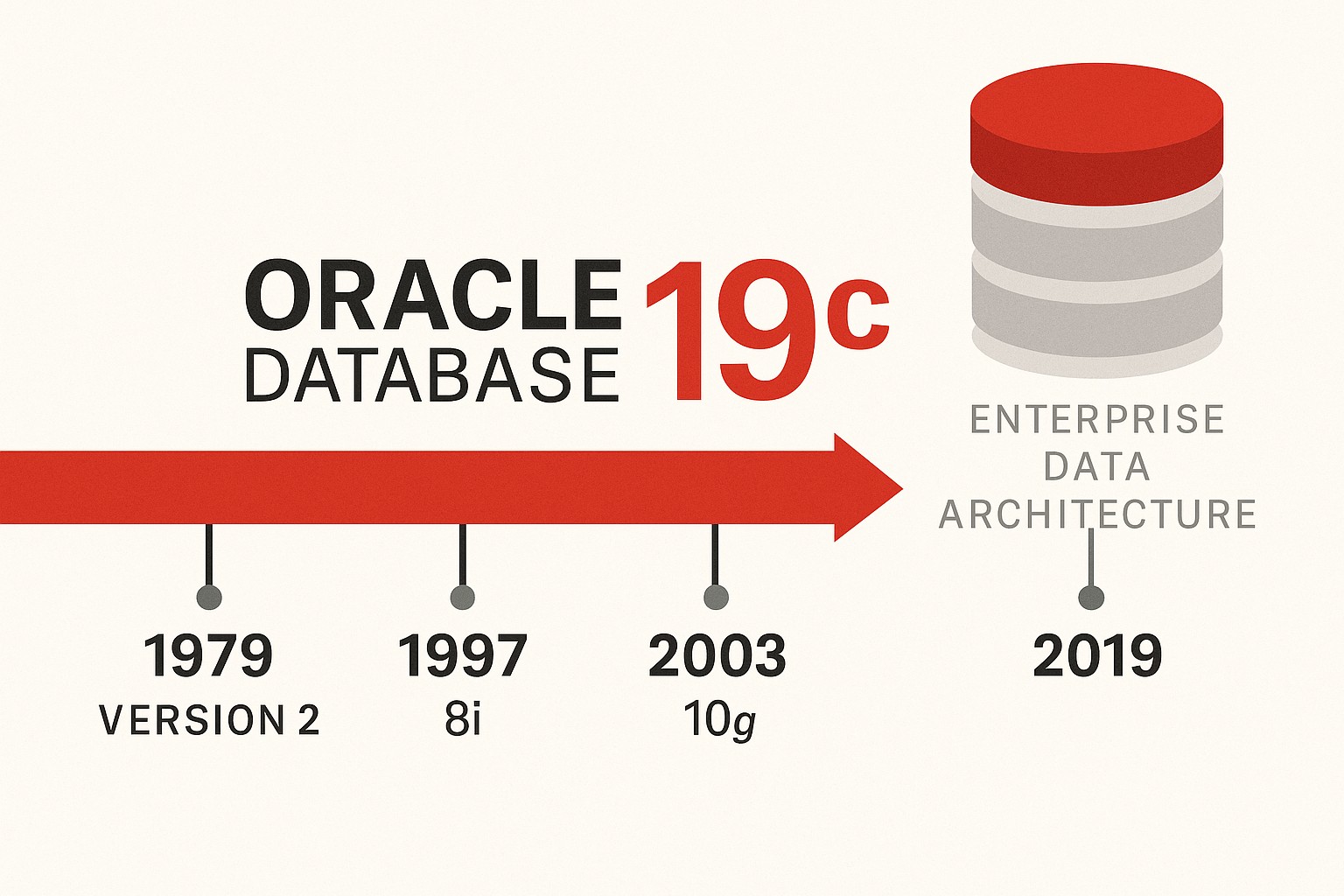
Overview of Oracle Database 19c and its positioning in the Oracle stack
Oracle Database 19c represents the current long-term support release within the Oracle Database 12c/18c/19c family. It is designed to provide a stable, secure, and scalable platform for mission-critical workloads across on-premises and cloud deployments. Enterprises select 19c for extended support windows, predictable patch cadence, and a mature feature set that supports hybrid architectures.
Technically, 19c preserves the multitenant architecture introduced in 12c and continues to refine the optimizer, data protection, and manageability capabilities. The platform emphasizes reliability, continuous availability, and performance at scale, with improvements spanning backup/restore, data guard, and integration with cloud services.
Historical evolution: from 9i to 19c
Oracle’s database lineage began with early versions that introduced enterprise-grade reliability and scalability features, culminating in 9i, which popularized Real Application Clusters (RAC) and rugged high-availability capabilities. The 10g era brought grid computing concepts and tightened automation around day-to-day operations, while 11g focused on diagnostics, performance tuning, and automated maintenance tasks that reduced manual intervention. With 12c, Oracle introduced multitenant architecture—a container database hosting multiple pluggable databases—paving the way for consolidation and faster provisioning in large estates.
The subsequent 18c release accelerated cloud-first thinking, delivering embedded automation, cloud integration, and simplified deployment patterns. Oracle 19c then consolidated these trends by delivering a mature, stable core with ongoing automation, hardened security, and enhanced manageability that enterprise teams rely on for long-term workloads and hybrid environments.
Key Improvements in the 19c Release
19c brings a blend of automation, performance, and reliability enhancements designed to reduce operational overhead while improving query performance and data protection.
- Automatic indexing and optimizer improvements to better select efficient access paths for a broad range of workloads.
- Real-time statistics and adaptive features that help the optimizer react to changing data distributions without manual intervention.
- SQL performance enhancements and extended support for complex SQL patterns, enabling faster execution plans for large-scale analytics.
- Data Guard enhancements, including improved fast-start failover and simplified disaster recovery orchestration.
- Multitenant and PDB usability improvements to simplify consolidation, patching, and lifecycle management of multiple databases within a single container.
- JSON and SQL/JSON enhancements that improve developer productivity and enable richer data exchange with modern applications.
These capabilities collectively improve reliability and throughput while reducing complexity for database administrators managing diverse environments.
Performance and reliability improvements in 19c
Oracle 19c continues to optimize core database routines, with refinements to I/O behavior, concurrency controls, and query execution. The result is more consistent response times under load and better throughput for analytic and transactional workloads alike. Administrators can expect fewer manual tuning sessions and more predictable performance after upgrades, enabling teams to focus on higher-value work such as architecture and governance.
At scale, 19c strengthens fault tolerance and recoverability through enhanced RMAN workflows, streamlined backup pruning, and broader integration with cloud-based storage services. In addition, the introduction of more robust run-time diagnostics and health checks supports proactive issue detection, reducing the window of exposure before problems affect service levels.
Security, governance, and data protection enhancements
Security remains a foundational priority in 19c, with deeper encryption options, hardened auditing, and more granular access controls designed to meet regulatory requirements. Transparent Data Encryption (TDE) and Oracle-native auditing receive refinements that simplify policy enforcement while preserving performance. In environments with strict data governance needs, the platform provides more robust controls for data masking, encryption key management, and role-based access segregation.
Additional improvements span vulnerability management and compliance reporting, helping security teams demonstrate adherence to internal standards and external regulations. The deepening of capabilities around threat detection, auditing, and anomaly reporting supports proactive defense in depth for enterprise workloads.
Administration, manageability, and tooling improvements
Operational efficiency is a cornerstone of the 19c release, with tooling updates designed to streamline lifecycle management, monitoring, and troubleshooting. The improvements tacitly reduce the need for repetitive manual tasks, accelerate incident response, and improve confidence in patching and upgrades.
- Enhanced Oracle Enterprise Manager integration for streamlined monitoring, automation, and alerting across large estates.
- Automated maintenance tasks, smarter patching strategies, and better rollout controls to minimize downtime during updates.
- Expanded diagnostic capabilities, including richer run-time statistics, health checks, and automated anomaly detection to guide tuning efforts.
- Improved workload management and resource governance to ensure predictable performance across mixed workloads and tenants.
These tooling improvements contribute to a more predictable operating model, allowing DBAs to focus on capacity planning, governance, and strategic optimization rather than routine administration.
Deployment options: on-premises, cloud, and hybrid strategies
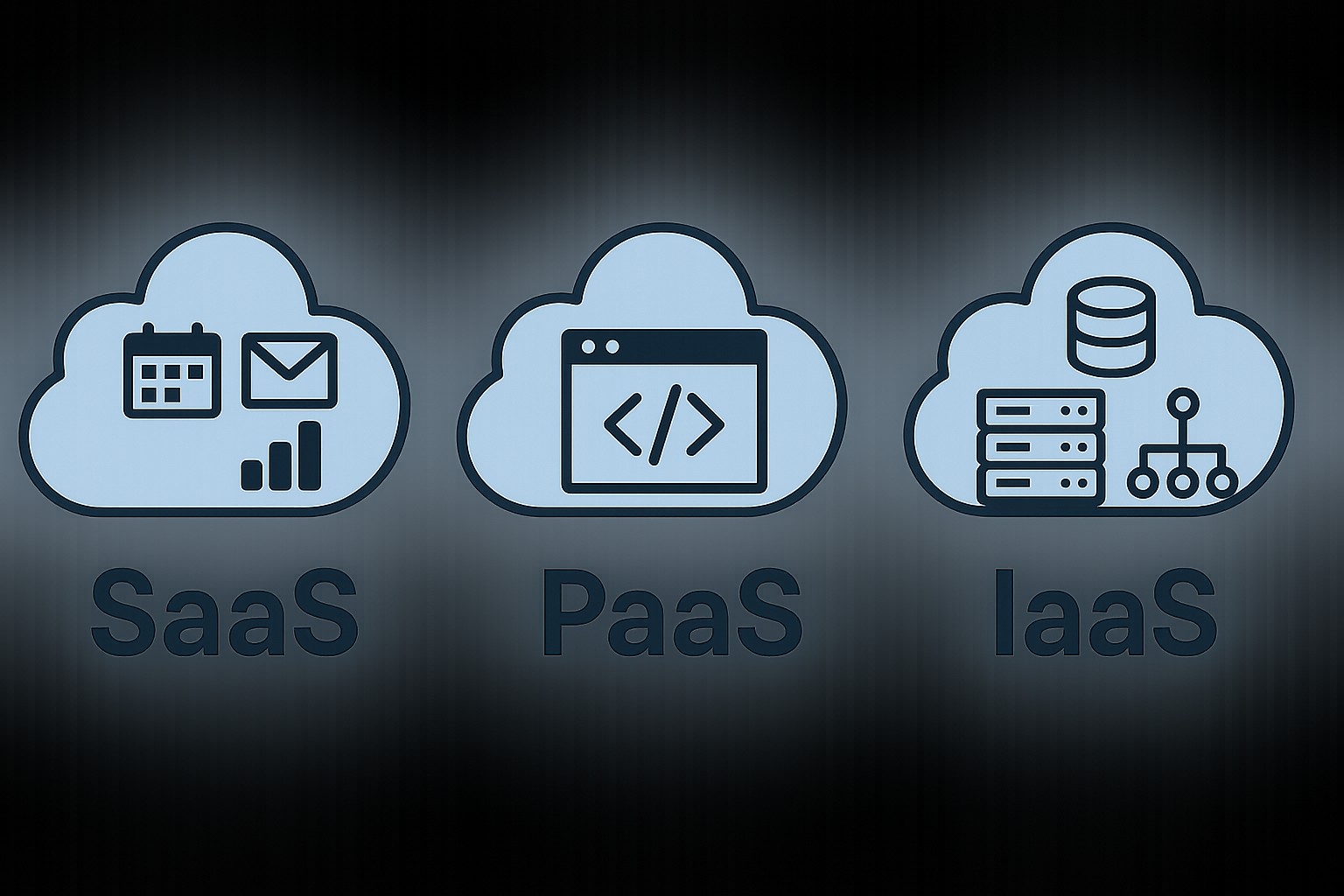
Oracle 19c is designed for flexible deployment, supporting traditional on-premises installations, Oracle Cloud Infrastructure (OCI), and hybrid configurations that bridge local data centers with cloud resources. Enterprises often adopt a tiered approach where sensitive workloads remain on-premises while analytics and development environments leverage cloud capabilities for elastic scaling and faster provisioning.
In cloud-first scenarios, 19c integrates with cloud-native services, simplifies backup and DR orchestration, and enables consistent patching across environments. For organizations pursuing hybrid architectures, the platform’s management tools provide a unified view of databases across locations, helping maintain governance and compliance while enabling workload mobility when needed.
- On-premises Oracle Database deployments with familiar administration and tuning practices.
- Oracle Cloud Infrastructure (OCI) databases and services that leverage cloud-native features for scalability and resilience.
- Hybrid configurations that combine on-site databases with cloud storage, analytics, and DR capabilities for global reach and cost optimization.
Migration strategies and upgrade considerations to 19c
Successful migration to 19c starts with a readiness assessment, including compatibility checks, workload profiling, and a review of the current patch and maintenance cadence. Oracle provides a range of pathways—such as DBUA (Database Upgrade Assistant), manual upgrade scripts, RMAN-based upgrade, and Data Pump for schema-level transitions—that organizations can tailor to their risk tolerance and expertise. A well-planned upgrade includes back-out strategies, validation of performance baselines, and a staged rollout to minimize business disruption.
In practice, many enterprises adopt a hybrid approach that pairs pre-upgrade testing in a non-production environment with a controlled production cutover window. Administrators should align 19c deployment with their security and compliance posture, ensuring audits, key management, and monitoring are consistent with the new release’s capabilities and constraints.
FAQ
How does Oracle 19c differ from the 18c release?
Oracle 19c builds on the cloud-first momentum of 18c by emphasizing long-term stability, extended support windows, and broader automation. It adds enhancements in automatic indexing, real-time statistics, Data Guard, and multitenant management, while refining security auditing and tooling for easier lifecycle management. The shift is toward fewer manual interventions and more predictable performance, especially in hybrid and cloud-enabled environments.
What are the long-term support implications for enterprises?
19c is designed as Oracle’s long-term support release, offering an extended maintenance window and a stable feature set intended for mission-critical workloads. Enterprises can plan multi-year roadmaps around 19c, with predictable patch cadences and a focus on reliability, governance, and integration with cloud services. This makes it the preferred baseline for data centers pursuing a steady upgrade path rather than frequent major overhauls.
Which features should be prioritized for migration?
Priority should be given to features that address business risks and operational cost, such as automatic indexing and optimizer enhancements to accelerate performance without manual tuning, Data Guard improvements for DR resilience, and multitenant lifecycle improvements to simplify consolidation. Depending on workload, JSON and SQL/JSON capabilities can also unlock development speed and API compatibility with modern applications.
How should an organization approach cloud deployment with 19c?
Begin with a workload assessment and determine which components are best suited for on-premises versus cloud. Leverage OCI or cloud-native services for elastic scale, disaster recovery, and analytics workloads, while preserving sensitive data in controlled on-site environments when required by policy or regulation. Use unified management tools to maintain governance across environments and plan a phased migration with validation at each step.
What are the recommended upgrade tools and best practices?
Utilize DBUA for automated in-place upgrades when downtime windows and familiarity permit, or combine RMAN-based upgrade with Data Pump for schema-level transitions in more controlled scenarios. Pre-upgrade checks, performance baselining, and a staged rollout with back-out plans are essential. Align upgrades with security and audit requirements, validating that monitoring, key management, and compliance controls are preserved post-upgrade.